
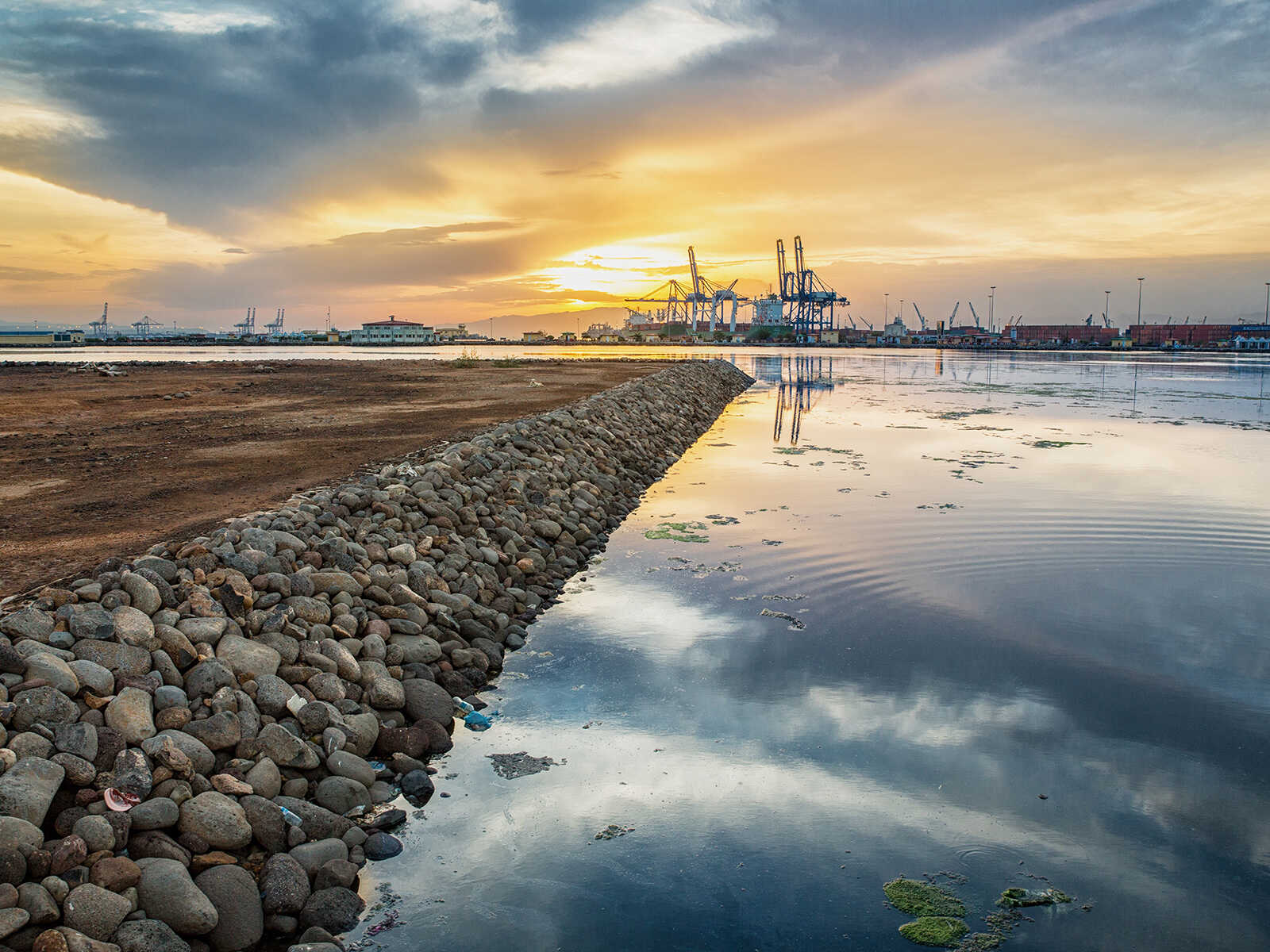
Djibouti City Guide: Top Things to Do in the Capital
Djibouti City, the bustling capital of the small Horn of Africa nation, is a vibrant melting pot of cultures, commerce, and captivating history. Serving as both a strategic port and a gateway to the country's starkly beautiful landscapes, it offers visitors a unique blend of urban exploration and access to extraordinary natural wonders.
Often overlooked by mainstream tourism, Djibouti City promises an authentic African experience, brimming with French colonial architecture, lively markets, and a burgeoning culinary scene. From its historic quarters to its scenic waterfront, the capital city is the perfect starting point for any adventure in Djibouti.
Discovering the Heart of Djibouti City
Explore the European Quarter and Place du 27 Juin
Begin your exploration in the city's charming European Quarter, characterized by its well-preserved French colonial buildings. The central Place du 27 Juin, also known as Place Menelik, is a leafy square that serves as a focal point. Here, you can admire the architecture, observe daily life, and soak in the atmosphere of this historically significant area. Many government buildings and older establishments line these streets, offering a glimpse into the city's past.
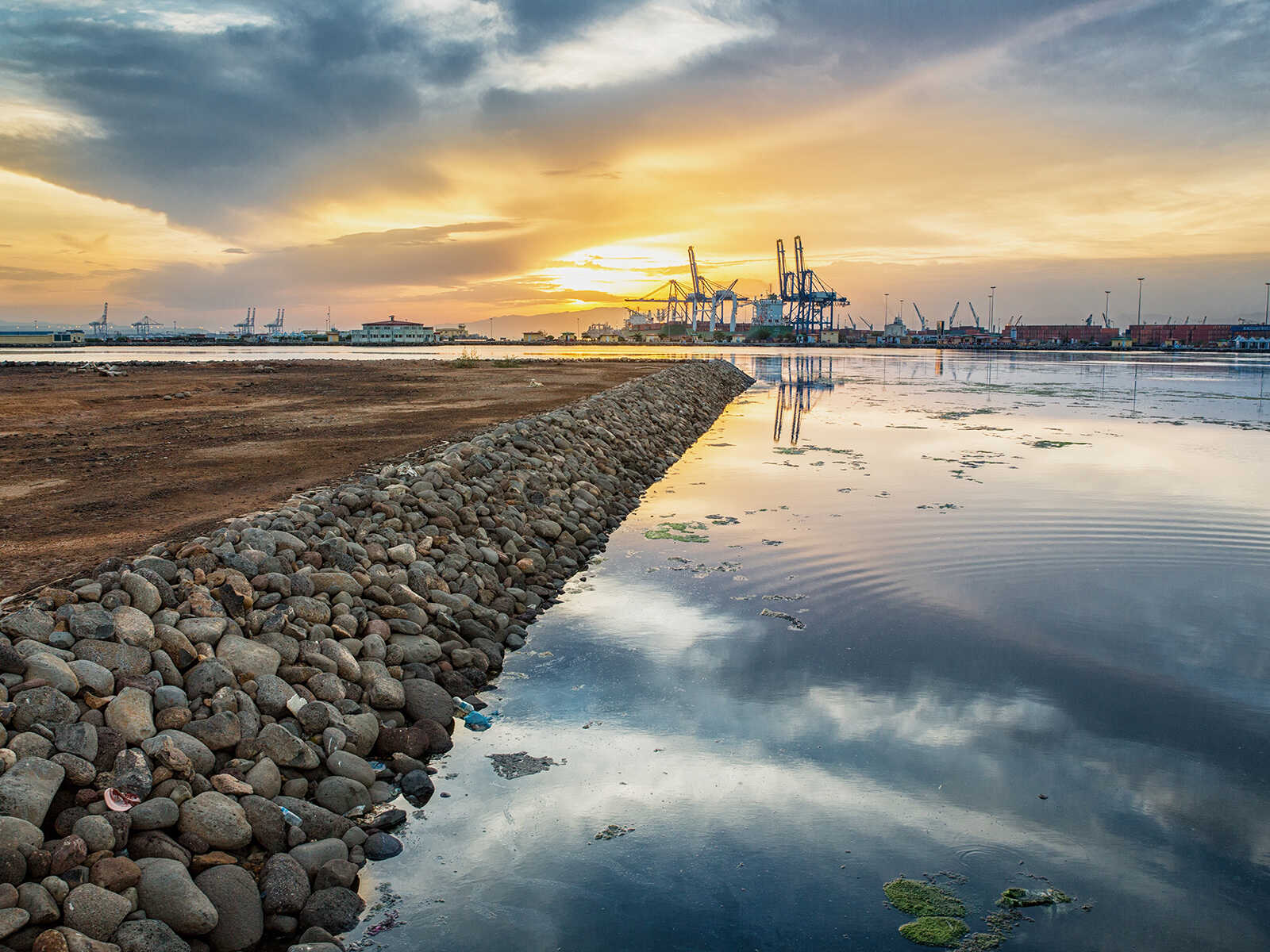
Did you know?Djibouti's strategic location at the Bab el-Mandeb Strait, connecting the Red Sea to the Gulf of Aden, has made it a crucial maritime hub for centuries, influencing its diverse cultural makeup and architectural style.
Wander Through Hamoudi Mosque
Just a short walk from the European Quarter lies the magnificent Hamoudi Mosque, one of Djibouti City's most prominent landmarks. With its striking white minarets and intricate design, it stands as a beautiful example of Islamic architecture. While non-Muslims may not enter the prayer hall, the exterior is impressive and offers a serene setting for contemplation, especially during the call to prayer.
Immerse Yourself in the Central Market (Marché Central)
No visit to Djibouti City is complete without a trip to the bustling Marché Central. This sensory explosion is where the city truly comes alive. Wander through narrow aisles filled with vendors selling everything from fresh produce, aromatic spices, and local textiles to traditional crafts and khat, a mild stimulant chewed by many locals. It's an excellent place to observe local life, practice your haggling skills, and find unique souvenirs.
Cultural Insights and Waterfront Charm
Visit the National Museum of Djibouti
For a deeper understanding of Djibouti's rich history and diverse culture, the National Museum of Djibouti is an essential stop. Though modest in size, it houses a fascinating collection of artifacts, traditional tools, ethnic costumes, and historical documents that tell the story of the Djiboutian people and their heritage. It provides valuable context before venturing further into the country.
Stroll Along the Waterfront and Marina
Djibouti City boasts a picturesque waterfront, offering refreshing sea breezes and scenic views of the Gulf of Tadjoura. Take a leisurely stroll along the corniche, watch local fishermen bring in their daily catch, or simply relax at one of the waterside cafes. The marina area is where many boat trips depart, serving as a gateway to the region's incredible marine life.
Culinary Adventures and Local Flavors
Djibouti's cuisine is a delightful fusion of African, Arab, and French influences. Seafood is a staple, thanks to its coastal location, with fresh fish, lobster, and shrimp often prepared with local spices. Don't miss trying traditional dishes likeinjera(a sourdough flatbread served with various stews),skudahkharis(a rice dish with lamb), and Yemeni-stylemandi(slow-cooked meat with rice and spices).
The city also has a strong coffee culture, with numerous cafes serving strong, aromatic brews. Many establishments offer a mix of local and international fare, ensuring there's something to satisfy every palate.
Beyond the City: Unforgettable Day Trips
Djibouti City serves as an ideal base for exploring some of the most surreal and breathtaking landscapes on Earth. Many tour operators offer organized excursions from the capital.
Underwater Wonders at Moucha Islands
Just a short boat ride from Djibouti City, the Moucha Islands offer a pristine underwater paradise. This archipelago is renowned for its vibrant coral reefs, diverse marine life, and excellent conditions for snorkeling and diving. Spend a day exploring colorful fish, sea turtles, and even reef sharks in crystal-clear waters, often combined with a relaxing beach barbecue.
The Salt Lake Marvel of Lac 'Assal
A journey inland from the capital leads to Lac 'Assal, Africa's lowest point and the third-lowest land depression on Earth. This hypersaline crater lake is a mesmerizing spectacle of white salt formations against a backdrop of volcanic landscapes. The intense blue of the water contrasting with the stark white and black surroundings creates an otherworldly scene that is truly unforgettable.
Lunar Landscapes of Lake Abhe
For an even more dramatic landscape, a trip to Lake Abhe is highly recommended. Famous for its towering limestone chimneys, sculpted by geothermal activity, and its resident flocks of flamingos,Lake Abhe feels like stepping onto another planet. While it can be done as a very long day trip, an overnight stay often allows for witnessing spectacular sunrises and sunsets over this unique terrain.
Marine Encounters in the Gulf of Tadjoura
The waters of the Gulf of Tadjoura, easily accessible from Djibouti City, are a hotspot for marine life. During certain seasons (typically November to January), the gulf becomes one of the best places in the world for swimming with whale sharks, the gentle giants of the ocean. Dolphin watching tours are also popular throughout the year, offering incredible opportunities to observe these intelligent creatures in their natural habitat.
Exploring Day Forest National Park
While a bit further afield,Day Forest National Park offers a stark contrast to Djibouti’s arid landscapes. Home to the unique East African Juniper trees and diverse birdlife, it's one of the few remaining dense forests in the country. It’s an excellent option for nature lovers seeking a cooler climate and a chance to spot rare species, though it might warrant an overnight stay rather than a simple day trip.
Practical Tips for Your Visit
- Best Time to Visit:The cooler months from November to February are ideal, with more comfortable temperatures.
- Getting Around:Taxis are readily available and affordable. For longer distances or day trips, hiring a private car with a driver or joining organized tours is recommended.
- Language:French and Arabic are the official languages. Somali and Afar are also widely spoken. English is less common but understood in tourist-oriented establishments.
- Currency:Djiboutian Franc (DJF). ATMs are available in the city.
- Dress Code:Djibouti is a predominantly Muslim country. While not strictly enforced for tourists, modest attire is appreciated, especially when visiting religious sites or local markets.
- Safety:Djibouti City is generally safe, but standard precautions apply. Be aware of your surroundings, especially at night, and safeguard your valuables.
Djibouti City, with its vibrant street life, historical depth, and unparalleled access to some of Africa's most unique natural wonders, offers a truly distinctive travel experience. Whether you're here for the urban exploration or as a launchpad for adventure, the capital is sure to leave a lasting impression.