
Best Photography Spots in Djibouti: Capture Stunning Landscapes
Djibouti, a small nation in the Horn of Africa, is a treasure trove of geological wonders and stark beauty. For photographers, its otherworldly landscapes, vibrant marine life, and unique cultural tapestry offer unparalleled opportunities to capture truly stunning images. Prepare to be amazed by a destination unlike any other.
From vast salt lakes to ancient volcanic formations and thriving coral reefs, Djibouti presents a dramatic canvas for any lens. This guide will take you through the most photogenic locations, ensuring your trip yields a portfolio of truly unforgettable shots.
The Alien Landscapes of the Afar Depression
The heart of Djibouti's most dramatic scenery lies within the Afar Depression, a geological marvel where three tectonic plates meet. This region offers landscapes so unique they often feel extraterrestrial.
Lac 'Assal: The Salt Marvel
At 155 meters below sea level,Lac 'Assal is the lowest point in Africa and the third lowest land depression on Earth. Its hyper-saline, turquoise waters starkly contrast with the brilliant white salt shores and surrounding black volcanic rock, creating an iconic photographic scene.
- Composition Tips:Use a wide-angle lens to capture the vastness of the salt flats. Focus on the intricate patterns of the salt crystals for compelling close-ups. The reflections on the water's surface, especially at sunrise or sunset, can be breathtaking.
- Best Time to Shoot:Early morning or late afternoon provides softer light and vibrant hues, making the colours truly pop. The midday sun can be harsh, but its intensity also brings out the dazzling white of the salt.
Photography Tip:Be mindful of your gear around Lac 'Assal. The extreme salinity and heat can be harsh on cameras and lenses. Keep equipment covered when not in use and clean thoroughly afterwards.
Lake Abhe: Chimneys and Flamingos
Venturing further into the Afar Depression,Lake Abhe offers an even more surreal experience. Famous for its towering limestone chimneys, sculpted by geothermal activity, this landscape is truly one-of-a-kind. These geological formations, some reaching 50 meters high, often emit plumes of steam, adding to the dramatic atmosphere.
- Composition Tips:Frame the chimneys against the vast expanse of the lake and sky. Look for opportunities to include the local Afar nomads and their camels to add a sense of scale and cultural context. Long exposures can beautifully capture the ethereal quality of the steaming vents.
- Wildlife Photography:Lake Abhe is also a significant habitat for flamingos. A telephoto lens will be invaluable for capturing these elegant birds against the stark backdrop.
- Best Time to Shoot:Sunrise is particularly magical here, casting long shadows and painting the chimneys in warm, golden light.
Coastal Wonders and Underwater Realms
Djibouti's coastline, particularly along the Gulf of Tadjoura, reveals a different kind of beauty: vibrant marine life, pristine coral reefs, and picturesque islands.
Moucha Islands: Coral Gardens and Blue Waters
A short boat ride from Djibouti City, the Moucha Islands are an idyllic escape and a paradise for underwater photographers. The clear, warm waters are home to extensive coral reefs teeming with colourful fish, making it a prime spot for snorkelling and diving photography.
- Underwater Photography:If you have an underwater camera or housing, this is your chance to capture vibrant coral formations, schools of tropical fish, and perhaps even sea turtles.
- Above Water:Don't forget the beauty above the surface. The islands themselves, with their white sand beaches and turquoise lagoons, offer stunning landscape opportunities, especially from a boat or with a drone.
Gulf of Tadjoura: Marine Life and Coastal Views
The entire Gulf of Tadjoura is a treasure trove for photographers. During certain seasons (typically October to January), it becomes a global hotspot for whale sharks, offering an unparalleled opportunity to photograph these gentle giants in their natural habitat. Beyond whale sharks, the gulf's deep blue waters and diverse marine ecosystems are a draw for divers and snorkelers.
- Whale Shark Encounters:Photographing whale sharks requires fast shutter speeds and good light. Respect their space and follow guide instructions for the best and safest shots.
- Coastal Landscapes:From the shores of Tadjoura or Obock, you can capture charming coastal towns, traditional dhows sailing on the horizon, and scenic views where the desert meets the sea.
Green Oases and Volcanic Peaks
Away from the salt flats and the coast, Djibouti offers surprising pockets of greenery and elevated landscapes.
Day Forest National Park: A High-Altitude Haven
Nestled in the Goda Mountains,Day Forest National Park is one of Djibouti's few remaining forests, home to unique species of juniper and olive trees. This cooler, misty environment provides a stark contrast to the desert plains below.
- Nature Photography:Focus on the textures of the ancient trees, the interplay of light and shadow filtering through the canopy, and the misty atmosphere. It's an excellent spot for macro photography of unique flora and birdwatching.
- Landscape Views:From higher elevations within the park, you can capture sweeping views of the surrounding mountains and valleys, often shrouded in a dramatic fog.
Urban Charm and Local Life: Djibouti City
Djibouti City, the nation's capital, offers a different photographic narrative. Its blend of French colonial architecture, bustling markets, and lively street scenes provides ample opportunities for street and cultural photography.
- Marche Central:The central market is a riot of colours, sounds, and activity. Capture the vibrant produce, local crafts, and the energetic interactions of daily life. Always ask permission before photographing individuals.
- Architecture:Explore the older quarters to find charming colonial buildings, many with intricate details and pastel hues, offering a glimpse into the city's past.
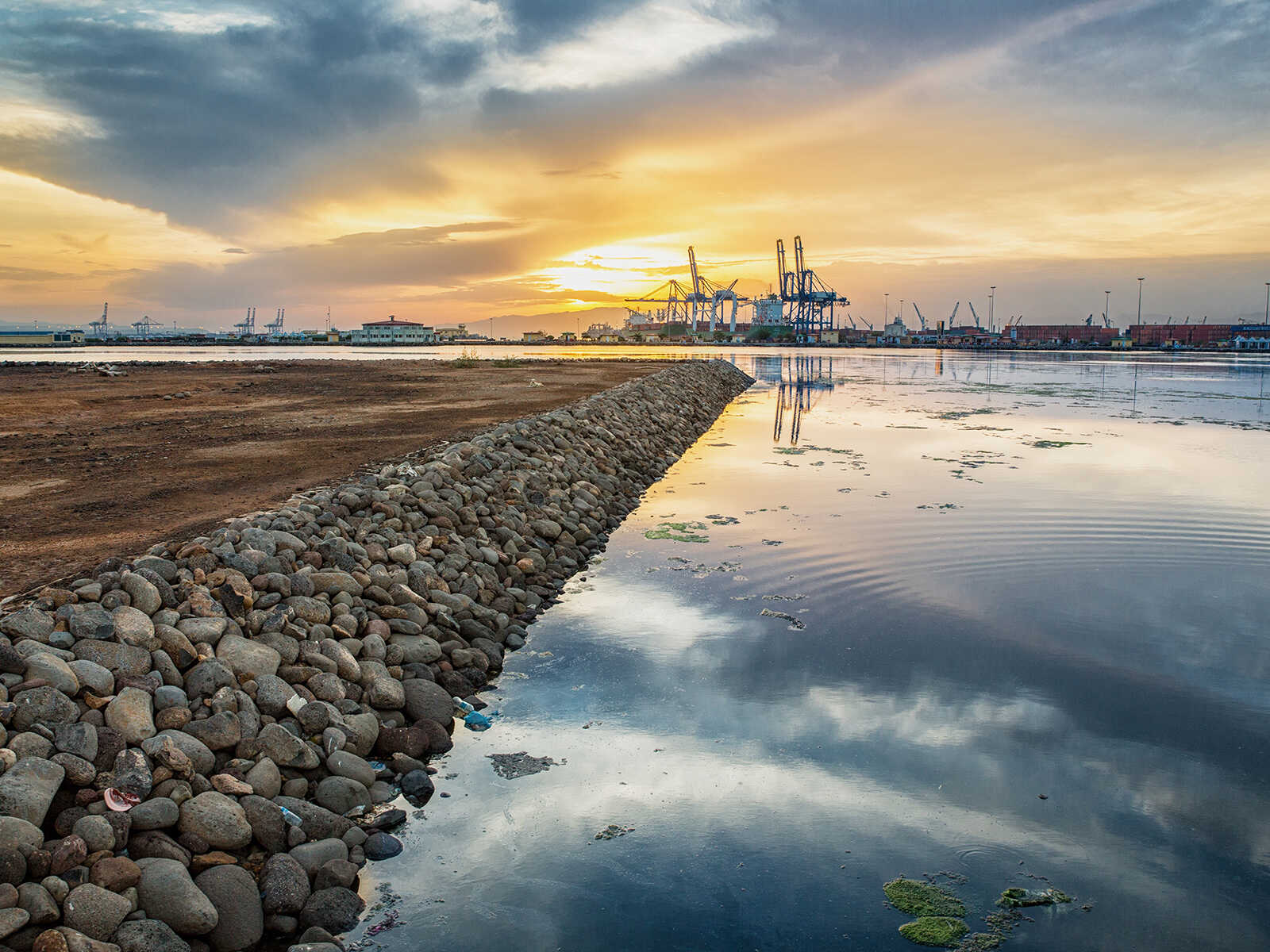
- Port Area:The port is a hub of activity, with traditional dhows and modern ships. It's a great place to capture maritime scenes, especially at sunset.
Practical Photography Tips for Djibouti
To make the most of your photographic journey in Djibouti, consider these practical tips:
- Protect Your Gear:The desert environment is dusty and hot, and coastal areas are saline. Use dust covers, waterproof bags, and keep your camera protected when not in use. Carry plenty of lens cleaning supplies.
- Batteries and Storage:Power sources can be scarce outside the city. Bring extra batteries and high-capacity memory cards.
- Lighting:The sun in Djibouti can be intense. Embrace the "golden hours" (sunrise and sunset) for soft, warm light. During midday, look for shaded areas or use diffusers/reflectors. High contrast scenes are common, so learn to expose for highlights or shadows, or bracket your shots.
- Respect Local Culture:Always be courteous and respectful when photographing people. A smile, a gesture, or asking "photo, s'il vous plaît?" can go a long way.
- Hydration and Safety:Djibouti's climate is extreme. Stay well-hydrated, wear appropriate clothing, and always travel with experienced local guides, especially when venturing into remote areas.
Conclusion
Djibouti is a photographer's dream, a land of extraordinary contrasts and raw beauty. From the lunar-like landscapes of the Afar Depression to the vibrant underwater world of its coastline and the unique charm of its capital, every corner offers a compelling shot. Pack your bags, prepare your camera, and get ready to capture the truly stunning landscapes and experiences that await you in this remarkable corner of Africa.