
A Brief History of Djibouti: From Ancient Trade to Modern Nation
Djibouti, a small yet geopolitically crucial nation in the Horn of Africa, boasts a history far grander than its size suggests. From its ancient role as a vital trade link to its modern status as a strategic international port, Djibouti's past is a fascinating tapestry woven with threads of commerce, colonialism, and resilience. This article explores the key milestones that shaped this unique country into the nation it is today.
Ancient Roots: A Crossroads of Civilizations
The land that is now Djibouti has been inhabited for millennia, with archaeological evidence suggesting early human presence. Its strategic position at the southern entrance of the Red Sea, connecting the Arabian Peninsula with the African continent, made it an indispensable hub for ancient trade routes. Historians believe the region may have been part of the fabled Land of Punt, an important trading partner of ancient Egypt, known for exporting incense, gold, and exotic animals.
For centuries, the area thrived as a nexus for merchants from Arabia, Persia, India, and Africa. Goods such as spices, frankincense, myrrh, salt, and precious metals flowed through its ports. The arrival of Islam in the 7th and 8th centuries profoundly influenced the region, integrating it into the broader Islamic world and further cementing its role in maritime trade networks.
The indigenous Afar and Issa peoples, with their distinct cultures and traditions, have been the primary inhabitants of this harsh yet vital landscape for generations, relying on pastoralism and controlling the valuable trade routes, particularly for salt from places like Lac 'Assal, the third-lowest point on Earth.
The Scramble for Africa and French Protectorate
The 19th century brought European colonial powers to the Horn of Africa, eager to secure strategic coaling stations and trade outposts. France, in particular, saw the immense potential of the region. In 1862, France purchased the anchorage of Obock from local Afar chieftains, marking its first significant foothold.
However, it was the natural deep-water harbor on the southern shore of the Gulf of Tadjoura that truly captured French attention. In 1888, the French founded Djibouti City, recognizing its superior strategic value. This led to the formal establishment of the French Somaliland protectorate in 1896, with Djibouti City becoming its capital.
A pivotal development for the new colony was the construction of the Ethio-Djibouti Railway, connecting Addis Ababa, the capital of Ethiopia, to the port of Djibouti. Completed in 1917, this railway transformed Djibouti into the primary maritime outlet for Ethiopian trade, cementing its economic importance and ensuring its survival and growth within the French colonial empire.
Did You Know?The Ethio-Djibouti Railway was a monumental engineering feat of its time, traversing challenging terrain to link landlocked Ethiopia to the sea, dramatically boosting Djibouti's strategic significance.
World Wars and the Path to Independence
Djibouti's strategic location meant it played a minor but noteworthy role during both World Wars. During World War I, its port served as a crucial supply point. In World War II, the colony initially remained under the control of Vichy France, leading to a British blockade. It eventually sided with the Free French forces, further highlighting its geopolitical importance.
Following World War II, the global tide turned against colonialism. In 1946, French Somaliland was granted the status of an Overseas Territory, allowing for greater local representation. Nationalist sentiments grew stronger among the local population, with increasing calls for self-determination.
In 1967, the territory was renamed the French Territory of the Afars and the Issas, a nod to its two dominant ethnic groups. A referendum on independence was held, but it resulted in a vote to remain part of France. However, the momentum for full independence was unstoppable, fueled by regional dynamics and a growing sense of national identity.
Independence and Nation Building
After years of political maneuvering and growing pressure, a second referendum was held in 1977. This time, the vote was overwhelmingly in favor of independence. On June 27, 1977, the Republic of Djibouti was born, with Hassan Gouled Aptidon becoming its first president.
The early years of independent Djibouti were marked by the challenges typical of a young nation, including fostering national unity among its diverse ethnic groups and navigating a complex regional political landscape. The new government wisely continued to leverage Djibouti's most valuable asset: its strategic location and deep-water port.
Djibouti also inherited a unique natural heritage, from the otherworldly landscapes of Lake Abhe with its limestone chimneys to the vibrant marine life around the Moucha Islands and the biodiversity of Day Forest National Park. These natural wonders would later become key attractions for a developing tourism sector.
Djibouti Today: A Strategic Global Player
In the decades since independence, Djibouti has solidified its position as a critical player on the international stage. Its stable government and strategic location at the confluence of major shipping lanes have made it an invaluable hub for global trade, logistics, and security operations.
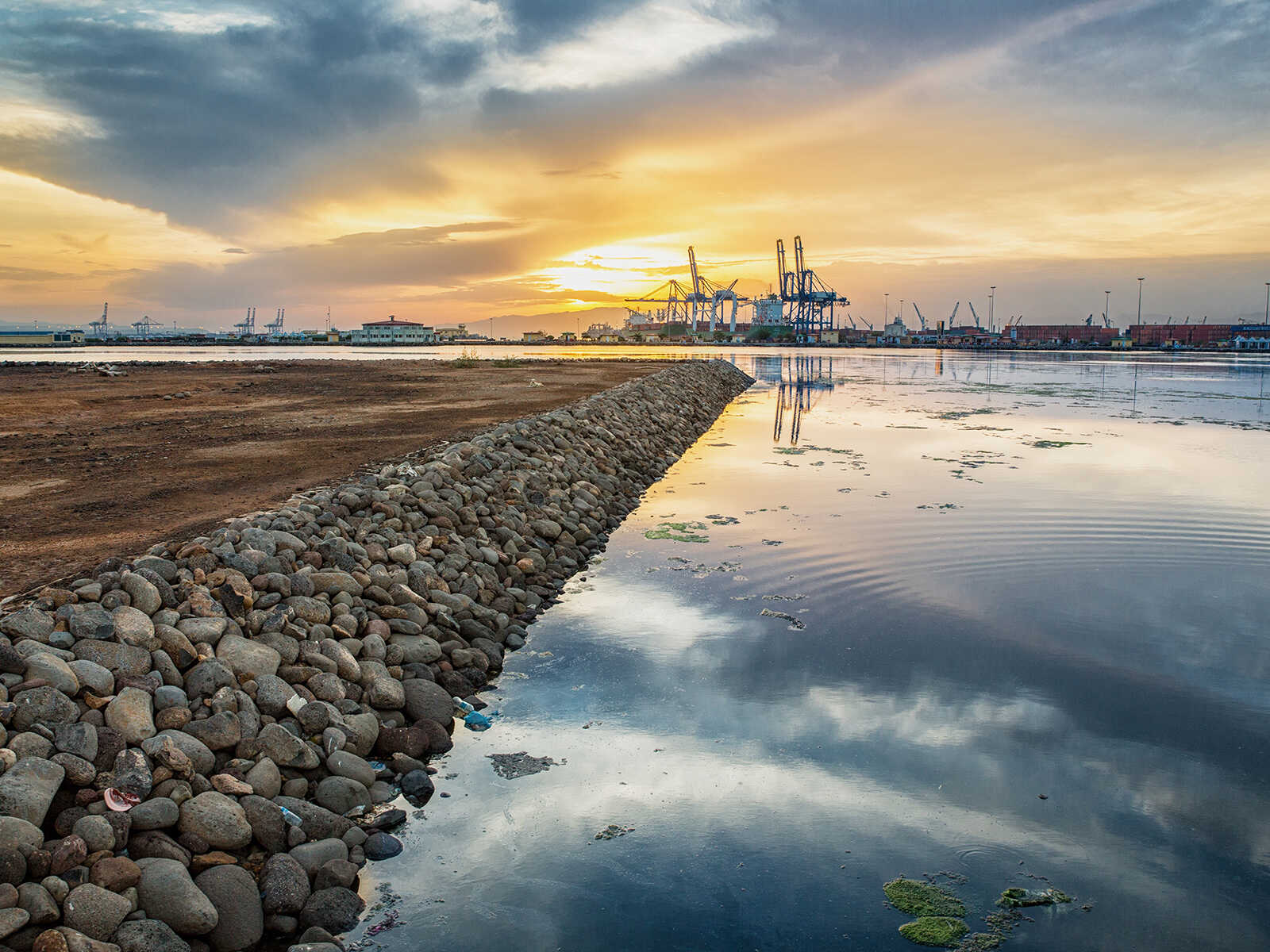
Today, Djibouti hosts military bases from several world powers, including the United States, France, Japan, and China, underscoring its unparalleled geopolitical significance in safeguarding vital maritime routes. The country continues to invest heavily in its port infrastructure, aiming to become an even greater gateway for East Africa.
From its ancient origins as a silent observer of passing dhows laden with frankincense to its modern role as a bustling international port and a linchpin of global security, Djibouti's history is a testament to the enduring power of geography and the resilience of its people. It remains a fascinating destination for those interested in history, culture, and unique natural landscapes.