
Dubrovnik vs Split: Which Croatian City Should You Visit?
Planning a trip to Croatia often presents a delightful dilemma: should you visit the iconic walled city of Dubrovnik or the ancient, vibrant heart of Split? Both offer unique charms and unforgettable experiences along the stunning Dalmatian coast. This guide will help you determine which city best suits your travel style and preferences.
Croatia is a country of incredible beauty, and its coastal gems are particularly alluring. While both Dubrovnik and Split boast rich history, breathtaking architecture, and access to the sparkling Adriatic, they offer distinctly different atmospheres.Dubrovnik, often called the "Pearl of the Adriatic," is famed for its impeccably preserved medieval walls and grand Baroque buildings.Split, on the other hand, pulses with life within the walls of a Roman emperor's palace, offering a more authentic, bustling Croatian experience.
History and Architecture
Step into a living museum in either city, but the historical narratives differ significantly.
- Dubrovnik: The Medieval Masterpiece
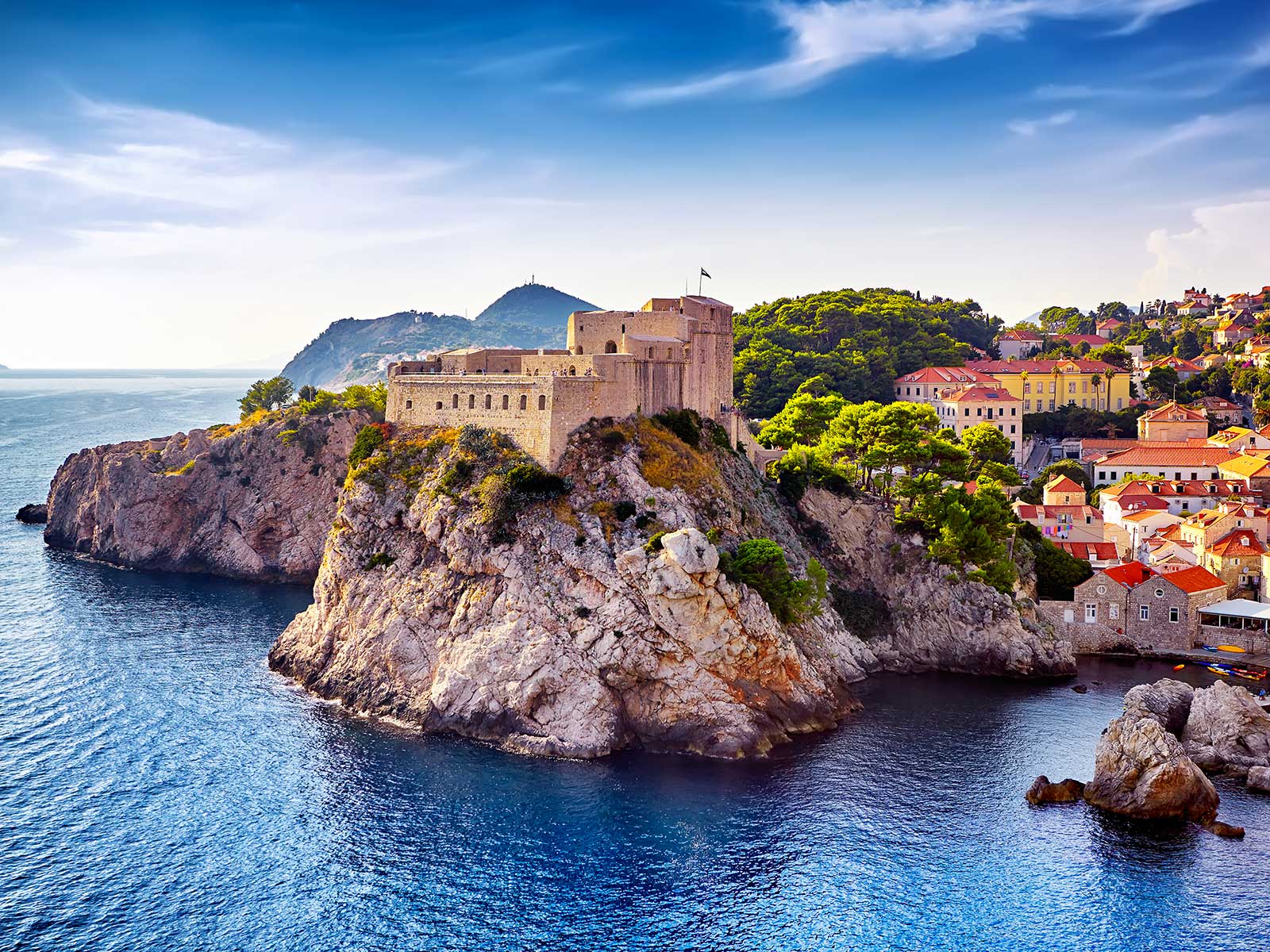
The history of Dubrovnik is synonymous with the independent maritime Republic of Ragusa, a powerful state that rivaled Venice. Its Old Town is a UNESCO World Heritage site, a meticulously preserved example of a late-medieval walled city. Walking the ancient city walls, exploring the Stradun (main street), and admiring the Baroque churches and palaces transports you back in time. The architecture here is grand, elegant, and perfectly restored, reflecting centuries of wealth and strategic importance.
Fun Fact:Dubrovnik served as the primary filming location for King's Landing in the popular TV series Game of Thrones, drawing fans from around the globe to explore its cinematic landscapes.
- Split: Roman Legacy and Modern Life
Split's historical heart is the magnificent Diocletian's Palace, a UNESCO site that isn't merely a ruin but a vibrant, living complex. Built for the Roman Emperor Diocletian in the 4th century AD, its walls now enclose a maze of alleyways, shops, restaurants, and homes. The city truly grewwithinthe palace, making it a unique blend of ancient Roman, medieval, and modern Croatian life. You'll find Roman arches next to Venetian Gothic windows and contemporary cafes, all seamlessly integrated.
Atmosphere and Vibe
The energy of these two cities provides a stark contrast for travelers.
- Dubrovnik: Elegant and Refined
Dubrovnik exudes an air of sophistication and historical grandeur. It can feel like a polished, open-air museum, especially during peak season when cruise ship passengers swell its narrow streets. The atmosphere is generally more sedate and romantic, perfect for couples or those seeking a beautiful, serene backdrop. While bustling, there's a certain formality to its charm.
- Split: Lively and Authentic
Split is undeniably livelier and more chaotic, in the best possible way. Life spills out onto the streets, with locals going about their daily routines amidst ancient ruins. The Riva promenade is a constant hub of activity, where people gather for coffee, stroll, and socialize. It offers a more authentic glimpse into Croatian daily life, feeling less like a tourist attraction and more like a dynamic city where history is simply part of the fabric.
Things to Do and See
Both cities offer a wealth of activities, from historical exploration to stunning viewpoints.
- Dubrovnik Highlights:
- Walk the iconicCity Wallsfor unparalleled views of the Old Town and the Adriatic.
- Ride the cable car up Srđ mountain for panoramic vistas, especially at sunset.
- Explore the charming island of Lokrum, a nature reserve just a short boat ride away.
- Visit historical sites like the Rector's Palace, Sponza Palace, and the Franciscan Monastery.
- Split Highlights:
- Delve deep into Diocletian's Palace, exploring its cellars, Peristyle, and Jupiter's Temple.
- Climb the bell tower of the Cathedral of St. Domnius for incredible views over the city.
- Stroll along the bustling Riva promenade, soaking in the local atmosphere.
- Hike or relax on Marjan Hill, offering green spaces and stunning viewpoints.
Beaches and Nature
When it comes to sun and sea, both have options, but with different characteristics.
- Dubrovnik: Picturesque but Limited
Dubrovnik has several appealing city beaches, such as Banje Beach and Sveti Jakov Beach, offering beautiful views of the Old Town. However, they can get quite crowded. For a more natural escape, the nearby island of Lokrum provides rocky coves and lush surroundings perfect for swimming and sunbathing.
- Split: Accessible and Diverse
Split offers a greater variety of easily accessible beaches.Bacvice beach, a sandy beach famous for picigin (a local ball game), is just a short walk from the city center. Marjan Hill also features several lovely coves and beaches.Split's status as a major ferry port also makes it an ideal base for exploring the incredible islands of the Dalmatian coast, renowned for their pristine waters and secluded bays.
Day Trips and Excursions
Both cities serve as excellent hubs for exploring the wider region.
- From Dubrovnik:
- Island hopping to the tranquil Elaphiti Islands (Koločep, Lopud, Šipan).
- Cross-border trips to Montenegro (Kotor Bay) or Bosnia & Herzegovina (Mostar).
- A quick ferry to the idyllic island of Lokrum.
- From Split:
- Excursions to the stunning Krka National Park with its magnificent waterfalls.
- Island trips to popular destinations like Hvar, Brač (with Zlatni Rat beach), and Vis.
- Visits to other charming coastal towns like Trogir or Zadar further north.
Food and Nightlife
Culinary experiences and evening entertainment vary in style between the two.
- Dubrovnik: Fine Dining and Chic Bars
Dubrovnik's dining scene leans towards more upscale restaurants, many offering exquisite seafood and traditional Dalmatian dishes with breathtaking views. The nightlife is sophisticated, with cocktail bars and wine bars often set in historic buildings or with panoramic terraces.
- Split: Diverse Flavors and Lively Pubs
Split offers a broader range of dining options, from traditional konobas (taverns) serving hearty local fare to modern eateries within the palace walls. The nightlife is vibrant and varied, with numerous bars, pubs, and clubs catering to different tastes, often spilling out into the lively squares.
Accessibility and Getting Around
Consider ease of travel and internal transport when making your choice.
- Dubrovnik: Compact and Walkable
The Old Town of Dubrovnik is entirely pedestrianized and very compact, making it easy to explore on foot. Its airport is well-connected. However, getting to other major Croatian cities like Zagreb or Split often involves longer bus journeys or domestic flights, as it's at the southern tip of the country.
- Split: Major Hub with Excellent Connections
Split is geographically more central along the Dalmatian coast and serves as a major transportation hub. It has excellent ferry connections to numerous islands, good bus links to other mainland cities (including Zadar and Zagreb), and a well-connected airport. The city center is very walkable, and public transport serves the wider area.
Budget Considerations
While both cities offer a range of options, there's a general perception regarding cost.
- Dubrovnik: Generally More Expensive
Due to its immense popularity and strong cruise ship presence,Dubrovnik tends to be perceived as a more expensive destination for accommodation, dining, and attractions. Entry fees for popular sites can add up quickly.
- Split: More Budget-Friendly Options
Split generally offers a wider range of accommodation and dining options at various price points, making it potentially more accessible for budget-conscious travelers. While still a popular tourist destination, the living city aspect means there are more local-focused establishments.
Who Should Visit Dubrovnik?
Choose Dubrovnik if you are:
- A history enthusiast captivated by medieval walls and Baroque architecture.
- Seeking a romantic getaway with stunning views and elegant dining.
- A fan of Game of Thrones eager to explore King's Landing.
- Looking for a compact, walkable city where the main attractions are within easy reach.
Who Should Visit Split?
Opt for Split if you are:
- Intrigued by ancient Roman history interwoven with modern life.
- Looking for a vibrant, authentic Croatian city experience.
- Planning to explore the Dalmatian islands extensively.
- Prefer a bustling atmosphere with diverse dining and nightlife options.
- Seeking a more budget-friendly coastal base.
Conclusion
Both Dubrovnik and Split are phenomenal destinations, each offering a distinct slice of Croatia's magic.Dubrovnik charms with its majestic historical grandeur and refined elegance, while Split captivates with its living history, vibrant energy, and perfect position for further exploration. If time and budget allow, consider visiting both to experience the best of what the Dalmatian coast has to offer. Otherwise, let your priorities – whether it's serene beauty or a bustling cultural immersion – guide your choice.