
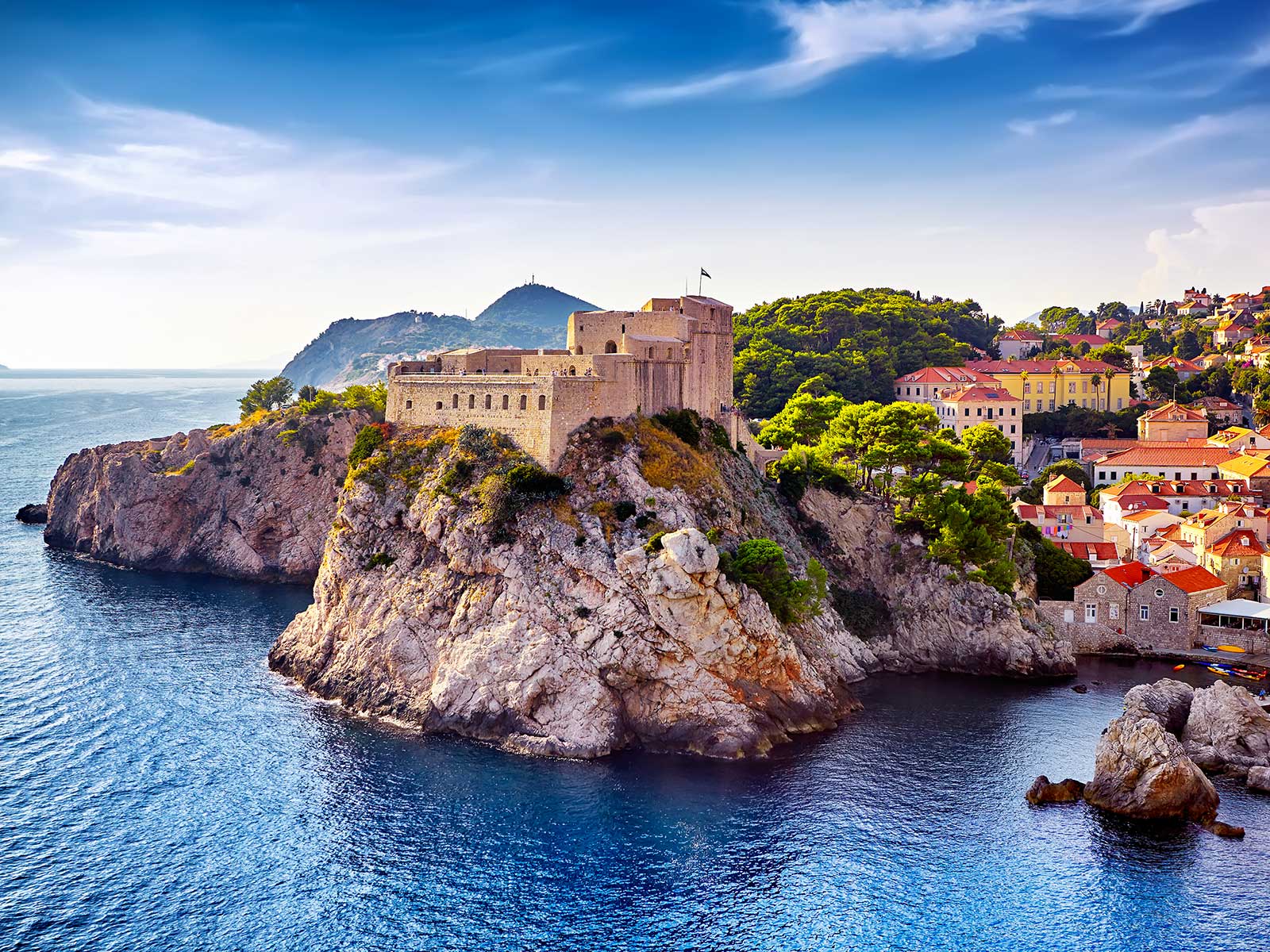
Best Time to Visit Croatia: Coast vs Islands Weather Guide
Croatia, with its dazzling Adriatic coastline, historic cities, and more than a thousand islands, offers a diverse experience for every traveler. Deciding the ideal time for your visit largely depends on your priorities, whether you dream of sun-soaked beaches, intrepid exploration, or tranquil cultural immersion. This guide breaks down the weather patterns across its distinct regions, helping you pinpoint the perfect season for your Croatian adventure.
Understanding Croatia's Climate: A Tale of Two Zones
Croatia’s climate is broadly split into two main zones: a continental climate inland, characterized by hot summers and cold winters, and a Mediterranean climate along the coast and islands. The focus of this guide is primarily on the latter, where the Adriatic Sea significantly moderates temperatures, providing mild, rainy winters and hot, dry summers. However, even within the coastal zone, nuances exist between the mainland and the islands due to exposure and local microclimates.
Peak Season (June - August): Sun, Sea, and Crowds
For many, summer epitomizes the Croatian experience, and for good reason. From June through August, the country truly comes alive, especially along its stunning coastline and islands.
Weather on the Coast & Islands
Expect long, sunny days and minimal rainfall. Air temperatures typically range from 25°C to 30°C (77°F to 86°F), often peaking higher in July and August. The Adriatic Sea is wonderfully warm, usually between 23°C and 26°C (73°F and 79°F), making it perfect for swimming and water sports. Coastal cities like Dubrovnik,Split, and Zadar bask in glorious sunshine, while the islands enjoy refreshing sea breezes.
Why Visit During Peak Season?
- Beach Life:Ideal conditions for swimming, sunbathing, and enjoying beautiful beaches like Bacvice beach in Split or Sakarun beach on Dugi Otok.
- Island Hopping:All ferry lines operate at full capacity, connecting even the smallest islands.
- Vibrant Atmosphere:Expect bustling promenades like Split's Riva, lively nightlife (especially at Zrce beach on Pag island), and numerous festivals and outdoor events.
- Outdoor Activities:Perfect for kayaking, snorkeling, sailing, and exploring islands like Lokrum near Dubrovnik.
Considerations
The downside of peak season is the sheer volume of tourists. Popular destinations become crowded, accommodation prices are at their highest, and booking well in advance is essential. Expect queues at major attractions and more competition for restaurant tables.
Shoulder Seasons (April - May & September - October): The Sweet Spot
Many seasoned travelers consider the shoulder seasons to be the absolute best time to visit Croatia. These months offer a delightful balance of pleasant weather, fewer crowds, and often better value.
Weather on the Coast & Islands
Spring (April-May):Temperatures gradually warm up, ranging from 18°C to 24°C (64°F to 75°F). The landscape is lush and green, with wildflowers blooming. The sea is cooler, around 17°C to 20°C (63°F to 68°F) in May, making it suitable for a refreshing dip, especially later in the month. Rainfall is moderate, adding to the freshness.
Autumn (September-October):This period often sees some of the most stable and enjoyable weather. Daytime temperatures hover between 20°C and 26°C (68°F to 79°F). The sea remains invitingly warm from the summer heat, often staying above 20°C (68°F) well into October. The crowds thin out significantly, offering a more serene experience.
Why Visit During Shoulder Seasons?
- Fewer Crowds:Enjoy popular sites like Diocletian's Palace in Split or The Greeting to the Sun in Zadar with more space and tranquility.
- Ideal for Activities:Perfect for hiking (e.g., up Srđ mountain near Dubrovnik or in Plitvice Lakes National Park), cycling, and exploring charming towns without the oppressive summer heat.
- Cultural Exploration:Comfortable temperatures for wandering through ancient streets and discovering local history.
- Better Value:Accommodation and flight prices tend to be more affordable than in peak summer.
Considerations
In early spring, some seasonal businesses on the islands might still be closed, and ferry schedules might be less frequent. By late October, the weather can become more unpredictable, with a higher chance of rain and cooler evenings.
Off-Season (November - March): Winter Charms and Quiet Retreats
The winter months offer a completely different side of Croatia, appealing to those seeking authenticity, cultural experiences, and quiet solitude away from the tourist rush.
Weather on the Coast & Islands
Temperatures along the coast are mild compared to inland, typically ranging from 8°C to 15°C (46°F to 59°F), with the southern parts like Dubrovnik often being the warmest. Rainfall is more frequent, and strong winds, particularly the cold, dry 'Bura' from the northeast or the warmer, humid 'Jugo' from the southeast, can occur. The sea is too cold for swimming, usually around 12°C to 15°C (54°F to 59°F).
Why Visit During Off-Season?
- Authentic Experience:Engage with local life without the tourist overlay.
- Cultural Immersion:Focus on cities like Zagreb, where you can explore the Croatian National Theatre in Zagreb,Cathedral of Zagreb, or the Mirogoj Cemetery, and experience local markets such as Dolac market. Coastal cities also offer museums and historical sites with minimal crowds.
- Lower Prices:This is generally the cheapest time to travel, with significant savings on flights and accommodation.
- Winter Sports:While not on the coast, inland Croatia offers skiing and other winter activities.
Fun Fact:The 'Bura' wind is so powerful it can sometimes cause temporary closures of bridges and roads along the coast, creating dramatic sea spray and a unique winter spectacle.
Considerations
Many tourist-oriented businesses, especially on the islands, close for the winter. Ferry schedules are significantly reduced, making island hopping more challenging. While coastal towns remain inhabited, they can feel quiet, and beach activities are out of the question.
Decoding the Coast vs. Islands Nuance
While sharing a Mediterranean climate, the Croatian mainland coast and its islands can experience subtle differences.
Coastal Mainland (e.g., Dalmatian Coast)
Cities like Dubrovnik,Split, and Zadar offer good access to infrastructure year-round. They can feel slightly more protected from strong winds like the Bura due to the mainland's topography. Access to attractions like Plitvice Lakes National Park is also generally easier from the mainland.
Croatian Islands
The islands are more exposed to the elements, meaning they might feel cooler with stronger winds in the shoulder seasons. However, the sea around them can often warm up slightly faster in spring and retain heat longer into autumn due to surrounding water masses. During peak summer, the islands offer a quintessential escape, but off-season, many become very quiet, with limited services.
Special Considerations for Your Croatia Trip
Activities and Interests
- Beach Holiday:June to early September.
- Sightseeing & Hiking:April-May and late September-October are ideal.
- City Breaks (e.g.,Zagreb,Split,Dubrovnik):All year round, though summer can be very hot for extensive walking.
- Nightlife:Peak summer (July-August), especially on islands like Pag (for Zrce beach).
Wind Patterns (Bura and Jugo)
Be aware of the local winds. The cold, dry Bura can bring clear skies but also significant drops in temperature and disruption to ferry services, particularly in winter. The warm, humid Jugo often precedes rain and can make the air feel heavy. Both are more prevalent outside of high summer.
Ferry Schedules
If island hopping is a priority, keep in mind that ferry schedules are most frequent and comprehensive during the peak season. They become significantly reduced in the shoulder seasons and minimal during the off-season, sometimes making travel between islands challenging or requiring more planning.
Conclusion: When isYourBest Time?
Croatia offers something unique in every season. For the quintessential beach and island-hopping experience, the peak summer months ofJune to Augustdeliver the warmest weather and most vibrant atmosphere, albeit with crowds. If you prefer a balance of pleasant weather, fewer tourists, and excellent conditions for active exploration and sightseeing, the shoulder seasons ofMay, early June, September, and early Octoberare truly golden. For a quiet, culturally rich escape with the lowest prices, theoff-season from November to Marchunveils a different, more authentic Croatia. Ultimately, the best time to visit Croatia depends on what you hope to discover on its stunning coast and captivating islands.