
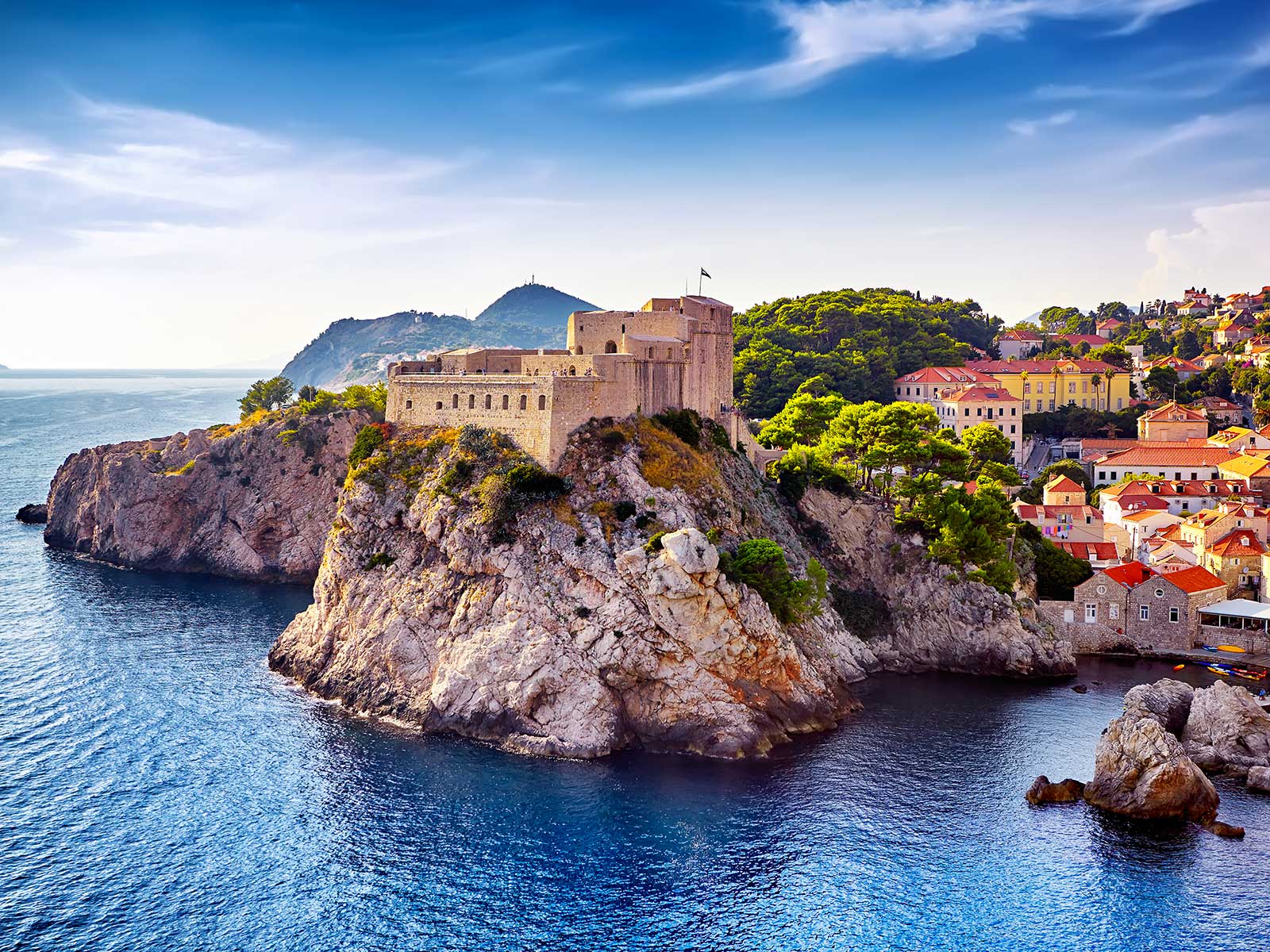
Best Croatian Islands for First-Time Visitors
Croatia's coastline is a dazzling tapestry of ancient cities, pristine beaches, and, perhaps most enticingly, over a thousand islands. For first-time visitors, navigating this archipelago can feel overwhelming, but a select few islands stand out for their accessibility, diverse appeal, and unforgettable charm.
Choosing Your Croatian Island Adventure
Embarking on an island-hopping journey in Croatia is an essential part of the experience for many travelers. With so many options, from bustling party hubs to serene natural havens, it's helpful for first-timers to consider a few key factors before deciding where to drop anchor.
- Accessibility:How easy is it to reach the island from mainland hubs like Split or Dubrovnik? Look for frequent ferry or catamaran connections.
- Vibe:Are you seeking vibrant nightlife, tranquil nature, historical exploration, or family-friendly beaches? Each island has its unique character.
- Activities:What do you want to do? Think about watersports, hiking, wine tasting, historical tours, or simply relaxing on the sand.
- Budget & Time:While we won't discuss specific costs, some islands are generally perceived as more upscale, and your time constraints will influence how many islands you can realistically visit.
Below, we highlight some of the top Croatian islands that consistently delight first-time visitors, offering a perfect blend of natural beauty, cultural richness, and convenience.
Top Croatian Islands for an Unforgettable First Visit
Hvar: The Glamorous Gem of the Adriatic
Often dubbed the "sunniest island" in Croatia, Hvar effortlessly blends historical charm with a vibrant contemporary scene. Its main town, also called Hvar, is renowned for its stunning Venetian architecture, bustling squares, and chic atmosphere. First-timers are drawn to its elegant harbor, where yachts bob alongside traditional fishing boats, and its lively nightlife.
Beyond the parties, Hvar offers a rich history visible in its 16th-century fortress, Fortica (Spanjola), which provides breathtaking panoramic views of the town and the Pakleni Islands. The island is also famous for its fragrant lavender fields (best seen in early summer) and exquisite olive groves. Explore hidden coves, enjoy watersports, or simply relax at one of the many beautiful beaches and beach clubs.
Tip for First-Timers:Hvar is easily accessible by catamaran or ferry from Split, making it a popular choice for those arriving via this major transport hub. Consider visiting in late spring or early autumn to enjoy pleasant weather and fewer crowds.
Brač: Home of the Golden Horn
Just a short ferry ride from Split, Brač is Croatia's third-largest island and home to one of its most iconic natural wonders: Zlatni Rat (the Golden Horn beach) near the town of Bol. This unique, shifting pebble beach extends like a tongue into the Adriatic Sea, changing shape with the currents and winds. It's a paradise for windsurfers and kitesurfers, but also perfect for sunbathing and swimming.
Brač is known for its white stone quarries, which supplied the stone for Diocletian's Palace in Split and even parts of the White House in Washington D.C. The island offers a more relaxed vibe than Hvar, making it ideal for families and those seeking outdoor activities. Explore charming inland villages, hike to Vidova Gora (the highest peak of the Adriatic islands) for spectacular views, or sample local olive oil and wine at a family-run tavern.
Korčula: A Walled Medieval Wonderland
Further south, the island of Korčula offers a captivating journey back in time. Its main town, also named Korčula, is a beautifully preserved medieval walled city often compared to a "mini-Dubrovnik." Legend has it that Marco Polo was born here, and you can even visit a museum dedicated to him.
Walk through its narrow, herringbone-patterned streets, explore ancient churches, and admire the impressive St. Mark's Cathedral. Korčula is also famous for its local white wine,Grk, produced exclusively on the island, and the traditional Moreska sword dance, performed during summer festivals. The island's interior is covered in dense pine forests, olive groves, and vineyards, offering scenic drives and cycling routes. It's an excellent choice for history buffs and those who appreciate fine wine and a slower pace.
Mljet: Croatia's Greenest Oasis
For nature lovers and those seeking tranquility, Mljet is an unparalleled choice. A significant portion of the island is designated as Mljet National Park, making it Croatia's greenest island. Here, two saltwater lakes, Veliko Jezero and Malo Jezero (Big Lake and Small Lake), are the main attractions. You can swim, kayak, or cycle around their shores.
In the middle of Veliko Jezero lies a tiny island, St. Mary's Islet, home to a charming 12th-century Benedictine monastery – a truly unique sight. Mljet offers a serene escape, perfect for hiking, cycling, and simply immersing yourself in pristine nature. It's less developed than other islands, providing an authentic and peaceful experience. Ferries connect Mljet to Dubrovnik and other nearby islands.
Vis: Authentic Charm and Hidden Wonders
Vis is the furthest inhabited island from the mainland and, until recently, was closed to foreign visitors due to its role as a military base. This isolation has preserved its authenticity and natural beauty, offering a glimpse into a bygone era of Croatian island life. It's an ideal destination for those seeking a more off-the-beaten-path experience.
The island boasts two main towns, Vis and Komiža, both charming with their stone houses, narrow streets, and excellent seafood restaurants. Vis is famous for its crystal-clear waters, hidden coves, and the stunning Blue Cave (Modra špilja) on the nearby island of Biševo, accessible by boat tours from Vis. Explore military tunnels, sample local wines (especiallyVugavaandPlavac Mali), or simply enjoy the laid-back atmosphere and unspoiled landscapes.
Planning Your Island-Hopping Adventure
For first-time visitors, planning an island trip can seem daunting, but Croatia's excellent ferry system makes it surprisingly straightforward. Jadrolinija is the primary ferry operator, with numerous routes connecting the mainland to the islands, and inter-island connections also exist.
- Book in Advance:Especially during peak season (July and August), it's wise to book ferry tickets and accommodation ahead of time.
- Consider Fast Catamarans:For quicker journeys between islands or from the mainland, look for catamaran services, which are passenger-only. Car ferries are slower but essential if you plan to bring a vehicle.
- Pack Light:You'll likely be moving between different accommodations, so a backpack or easily manageable luggage is highly recommended.
- Embrace the Pace:Croatian island life operates at a relaxed rhythm. Don't try to cram too much into one day; allow time for spontaneous discoveries and enjoying the local atmosphere.
Insider Tip:For a taste of island life without committing to an overnight stay, consider a day trip to Lokrum from Dubrovnik. This small, uninhabited island nature reserve offers botanical gardens, peacocks, and lovely swimming spots, all just a 15-minute ferry ride away.
Conclusion
Croatia's islands offer an unparalleled travel experience, whether you're drawn to historical exploration, vibrant nightlife, pristine beaches, or serene natural parks. For first-time visitors, Hvar, Brač, Korčula, Mljet, and Vis provide an excellent starting point, each promising a unique slice of Adriatic paradise. Choose the island that best matches your travel style, and prepare to be captivated by the timeless beauty and warm hospitality of Croatia.
No matter which island (or islands) you choose, you're guaranteed to create lasting memories amidst some of Europe's most breathtaking scenery.