
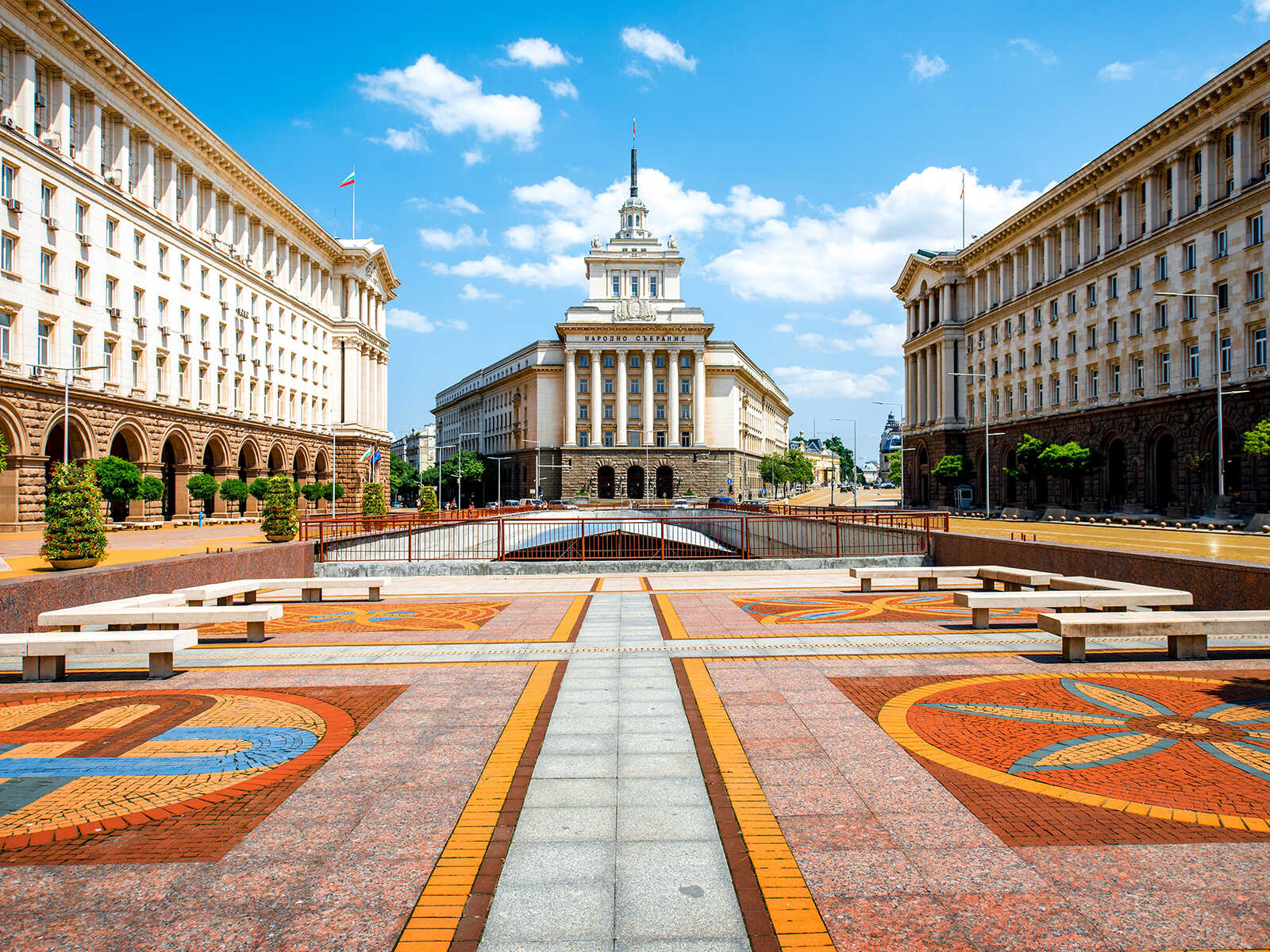
Bulgaria Travel Guide: Visas, Currency, Safety & Other Essentials
Bulgaria, a land of ancient history, stunning natural beauty, and vibrant culture, offers an unforgettable experience for every traveler. From its majestic mountains and Black Sea coast to charming villages and bustling cities, preparing for your journey with essential information ensures a smooth and enjoyable adventure in this captivating Balkan gem.
Visa Requirements for Bulgaria
Understanding Bulgaria's visa policies is your first step to a hassle-free trip. Bulgaria recently joined the Schengen Area for air and sea borders onMarch 31, 2024. This means that travelers entering Bulgaria by air or sea from another Schengen country will not undergo border checks. However, land border controls remain in place for now.
EU/EEA/Swiss Citizens
Citizens of the European Union, European Economic Area, and Switzerland do not require a visa to enter Bulgaria for any length of stay, provided they hold a valid passport or national ID card.
Schengen Visa Holders
If you hold a valid Schengen visa, you can use it to enter Bulgaria for short stays, typically up to 90 days within any 180-day period. The time spent in Bulgaria will count towards your total Schengen allowance.
Other Nationalities
Travelers from countries outside the EU/EEA/Switzerland or those not holding a Schengen visa should check the specific requirements based on their nationality. It's always best to consult the Bulgarian Ministry of Foreign Affairs website or your nearest Bulgarian embassy or consulate well in advance of your travel dates. From mid-2025, visa-exempt non-EU citizens will need to apply for an ETIAS (European Travel Information and Authorisation System) authorization prior to their trip.
Currency, Costs & Banking in Bulgaria
Bulgaria uses theBulgarian Lev (BGN), which is pegged to the Euro at a fixed exchange rate (1 EUR = 1.95583 BGN). While the Euro is not officially accepted for everyday transactions, its stability against the Lev makes currency conversion straightforward.
ATMs and Credit Cards
Major credit and debit cards (Visa, Mastercard) are widely accepted in larger cities, tourist resorts like Sunny Beach, hotels, and most restaurants. However, it's wise to carry some cash, especially when visiting smaller towns, local markets, or more remote attractions such as Zheravna. ATMs are readily available in urban areas, but always be cautious of your surroundings and consider using ATMs inside banks.
Budgeting Your Trip
Bulgaria is generally considered one of Europe's more affordable travel destinations. Accommodation, food, and transport costs are often significantly lower than in Western Europe, allowing for a comfortable trip even on a moderate budget. Remember that prices in popular tourist spots or ski resorts like Bansko might be slightly higher.
Tipping Etiquette
Tipping is customary in Bulgaria. In restaurants, a tip of 5-10% is appreciated for good service. For taxi drivers, rounding up the fare is common. For tour guides or hotel staff, a small gratuity is also a kind gesture.
Safety & Health Essentials
Bulgaria is a generally safe country for travelers, but like any destination, it's important to be aware of your surroundings and take standard precautions.
General Safety Tips
- Be mindful of pickpockets, especially in crowded tourist areas, public transport, and markets.
- Keep valuables secure and out of sight.
- Avoid walking alone in poorly lit areas at night.
- Be wary of unsolicited help or offers, particularly around major train or bus stations.
Emergency Numbers
The universal emergency number in Bulgaria for police, ambulance, and fire services is112.
Health Precautions
No specific vaccinations are required for entry into Bulgaria. However, ensure your routine vaccinations are up-to-date. For EU citizens, carrying your European Health Insurance Card (EHIC) is recommended, but comprehensive travel insurance is advisable for all visitors to cover potential medical emergencies, lost luggage, or trip cancellations.
Traveler's Tip:While tap water in major cities is generally considered safe to drink, many locals and visitors prefer bottled water. It's readily available and inexpensive.
Getting Around Bulgaria
Bulgaria offers various transportation options to suit different travel styles and budgets.
Public Transport
Busesare the most comprehensive and affordable way to travel between Bulgarian cities and towns. Services are frequent and generally reliable.Trainsare slower but can offer scenic routes, particularly through mountainous regions like those around Pirin National Park.
Rental Cars
Renting a car provides the most flexibility, especially if you plan to explore remote natural wonders like Krushuna Waterfalls or historical sites such as Perperikon. Road conditions vary, with major routes being well-maintained, while rural roads can be less so. An international driving permit is often required in addition to your national license.
Taxis
Taxis are available in cities. Always use official, licensed taxis, identifiable by their company name and phone number on the side. It's advisable to agree on a fare beforehand or ensure the meter is used to avoid overcharging.
Urban Transport
Sofia boasts an efficient and modern metro system, making it easy to navigate the capital and visit attractions like the Cathedral Saint Aleksandar Nevski. Other cities mainly rely on buses and trolleybuses.
Language and Communication
The official language of Bulgaria isBulgarian, written in the Cyrillic alphabet. While this can initially seem daunting, it adds to the country's unique charm.
English Proficiency
In major tourist areas, larger cities like Ancient Town Of Plovdiv, and among younger generations, English is quite commonly spoken. However, in more rural areas, English proficiency may be limited.
Basic Phrases & Cyrillic
Learning a few basic Bulgarian phrases (e.g., "Zdravei" for hello, "Blagodarya" for thank you) can significantly enhance your interactions with locals. Familiarizing yourself with the Cyrillic alphabet, even just enough to recognize common signs and place names, will also be very helpful.
Connectivity
Wi-Fi is widely available in hotels, cafes, and restaurants. Local SIM cards are inexpensive and easy to purchase, offering good coverage and data plans for staying connected on the go.
Culture & Etiquette
Bulgarian culture is rich with history and traditions. Understanding a few key customs can enrich your experience.
The Nodding Confusion
This is perhaps the most famous Bulgarian cultural nuance:Bulgarians traditionally nod their head for "no" and shake their head for "yes". This can be very confusing for foreigners, so pay close attention to other cues or clarify verbally if unsure.
Hospitality
Bulgarians are generally warm and hospitable. If invited into a home, it's customary to bring a small gift, such as flowers or sweets.
Dress Code
Dress codes are generally relaxed, especially in cities and resorts. However, when visiting religious sites such as Rila Monastery or the Cathedral Saint Aleksandar Nevski, it's respectful to dress modestly, covering shoulders and knees.
Cuisine
Bulgarian cuisine is delicious and hearty, featuring fresh vegetables, grilled meats, and dairy products. Don't miss trying local specialties like banitsa, Shopska salad, and the strong local brandy, rakia.
Best Time to Visit Bulgaria
Bulgaria is a year-round destination, with each season offering a unique appeal.
- Spring (April-May) & Autumn (September-October):These are ideal for sightseeing, hiking, and exploring cultural sites. The weather is pleasant, and the crowds are smaller. Perfect for visiting the Ancient Town Of Plovdiv,Tsarevets Fortress, or the Belogradchik Fortress.
- Summer (June-August):The Black Sea coast, with resorts like Sunny Beach and events like Sand Fest Burgas, is bustling. It's also a great time for mountain adventures in Pirin National Park, enjoying the lush greenery and cooler temperatures.
- Winter (December-March):Bulgaria transforms into a popular destination for skiing and snowboarding, with resorts like Bansko offering excellent slopes and facilities.
Must-See Destinations
Bulgaria is packed with incredible places to explore:
- Sofia:The vibrant capital, home to the magnificent Cathedral Saint Aleksandar Nevski and a blend of ancient and modern history.
- Plovdiv:One of Europe's oldest continuously inhabited cities, explore the charming Ancient Town Of Plovdiv with its Roman theatre and Revival-era houses.
- Veliko Tarnovo:The medieval capital, famous for the impressive Tsarevets Fortress.
- Rila Monastery:A UNESCO World Heritage site, this stunning Rila Monastery is Bulgaria's largest and most famous Eastern Orthodox monastery, nestled in the Rila Mountains.
- Belogradchik Rocks & Fortress:Marvel at the bizarre rock formations and the ancient Belogradchik Fortress built into them.
- Black Sea Coast:Enjoy the sun and sand at Sunny Beach, explore the charming coastal town of Burgas with its Sea garden, or experience the unique Sand Fest Burgas.
- Buzludzha Monument:For those interested in Soviet-era architecture and history, the abandoned Buzludzha Monument offers a hauntingly beautiful experience.
Practical Tips for Your Bulgarian Adventure
- Electricity:Bulgaria uses Type F (Schuko) sockets with a standard voltage of 230V and a frequency of 50Hz. Remember to pack a suitable adapter if needed.
- Time Zone:Bulgaria observes Eastern European Time (EET), which is UTC+2. During daylight saving time, it switches to Eastern European Summer Time (EEST), UTC+3.
- Internet Access:Free Wi-Fi is common in hotels, cafes, and many public spaces. Mobile data plans are also very affordable.
- What to Pack:This depends heavily on the season and your planned activities. For summer, light clothing and swimwear are essential for the coast. For winter, warm layers and waterproof gear are a must for mountain resorts. Always include comfortable walking shoes, especially if you plan to explore cities or hike in areas like Pirin National Park.
With these essentials in hand, you are well-equipped to embark on an incredible journey through Bulgaria, a country that promises rich history, breathtaking landscapes, and warm hospitality.