
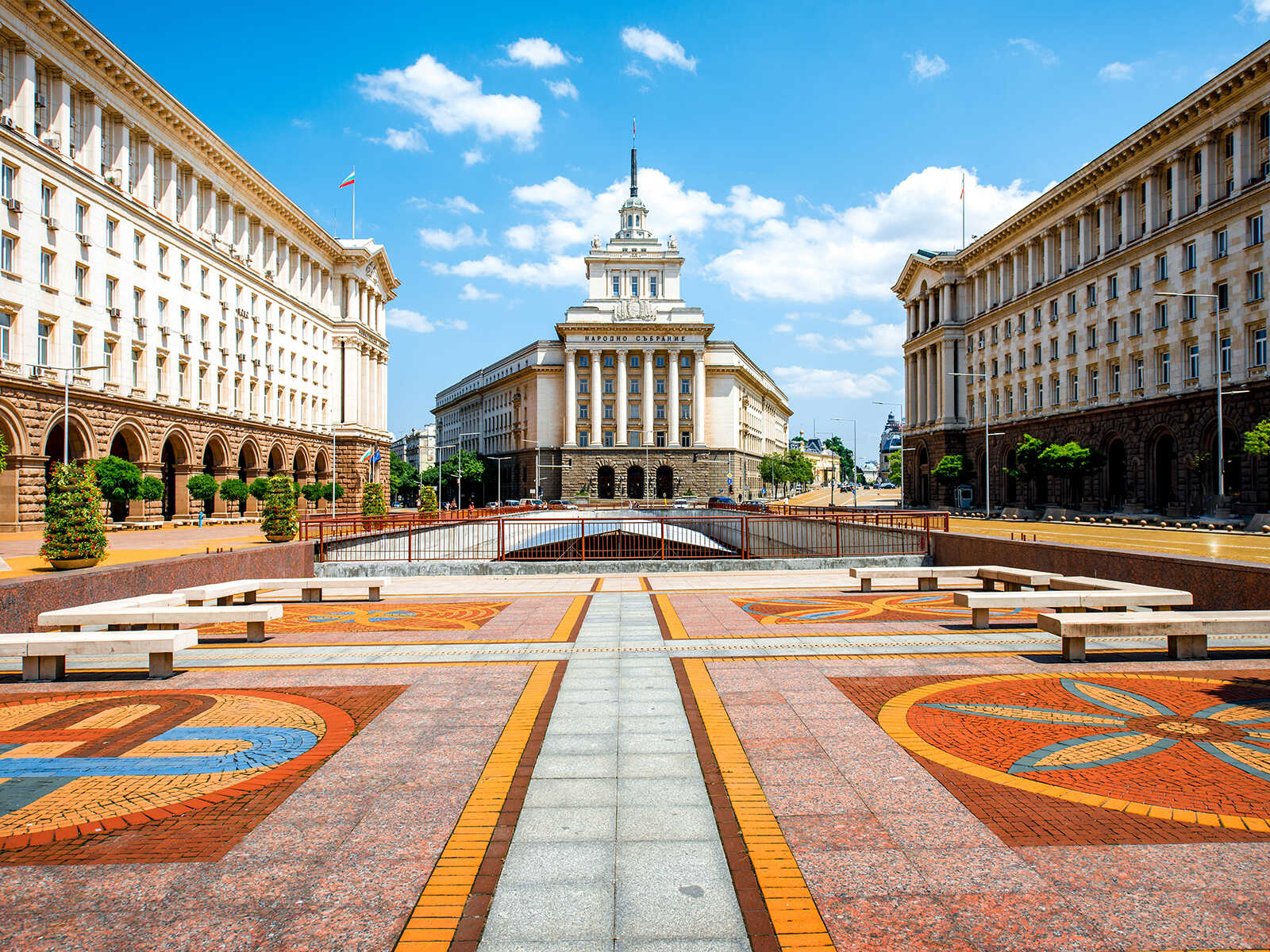
Best Time to Visit Bulgaria: Beach vs Ski Season
Bulgaria, a land of stunning contrasts, offers diverse travel experiences throughout the year, from sun-drenched Black Sea beaches to snow-capped mountain slopes. Deciding the "best" time to visit largely depends on your travel preferences and the activities you envision for your Bulgarian adventure.
Understanding Bulgaria's Climate
Bulgaria experiences a continental climate, characterized by hot, dry summers and cold, snowy winters, particularly in the mountainous regions. The shoulder seasons of spring and autumn offer milder temperatures, ideal for sightseeing and outdoor exploration without the extremes of summer heat or winter cold.
Bulgaria for Beach Lovers: Summer Season (June - August)
If your ideal holiday involves golden sands, warm sea waters, and a lively atmosphere, then summer is undoubtedly the best time for you to visit Bulgaria. The Black Sea coast truly comes alive during these months.
Coastal Highlights & Activities
- Months:June, July, August
- Temperatures:Average daytime temperatures range from 25°C to 30°C (77°F to 86°F), with sea temperatures perfect for swimming.
- Top Destinations:The vibrant Sunny Beach is famous for its extensive shoreline, water sports, and energetic nightlife. Other popular resorts include Golden Sands, Albena, and the charming coastal towns of Nessebar and Sozopol.
- Activities:Enjoy sunbathing, swimming, jet-skiing, parasailing, and boat trips. Explore the beautiful Sea Garden in Varna, or experience the unique Sand Fest Burgas, an annual international festival of sand sculptures.
Pros and Cons of a Summer Visit
Pros:
- Reliably warm and sunny weather.
- Vibrant atmosphere with numerous events, festivals, and nightlife options.
- All tourist facilities are fully operational.
Cons:
- Peak season means larger crowds, especially in July and August.
- Accommodation and flight prices can be higher.
- Temperatures can be very high, sometimes exceeding 35°C (95°F), which might be uncomfortable for some.
Bulgaria for Ski Enthusiasts: Winter Season (December - March)
Bulgaria's rugged mountains transform into a winter wonderland, offering excellent skiing and snowboarding opportunities that rival more expensive European resorts. The winter season is perfect for those seeking snowy adventures.
Mountain Adventures & Resorts
- Months:December, January, February, March
- Temperatures:Average daytime temperatures in mountain resorts range from -5°C to 5°C (23°F to 41°F), with plenty of snowfall.
- Top Destinations:Bansko is Bulgaria's premier ski resort, offering a combination of modern facilities, excellent pistes, and a charming old town. Borovets and Pamporovo are other popular choices, known for their diverse slopes and ski schools.
- Activities:Downhill skiing, snowboarding, cross-country skiing, and snowshoeing. After a day on the slopes, enjoy the cozy atmosphere of mountain chalets, indulge in traditional Bulgarian cuisine, or relax in thermal spas.
Pros and Cons of a Winter Visit
Pros:
- Excellent snow conditions and well-maintained slopes.
- Great value for money compared to other European ski destinations.
- Charming festive atmosphere, especially around Christmas and New Year.
Cons:
- Very cold temperatures, requiring appropriate winter gear.
- Limited non-skiing activities outside the resorts.
- Road conditions to mountain areas can be challenging due to snow.
Beyond Beach & Ski: Spring & Autumn (Shoulder Seasons)
For travelers who prefer to avoid extremes of weather and crowds, the spring (April-May) and autumn (September-October) shoulder seasons offer a different, often more authentic, Bulgarian experience. These periods are ideal for cultural exploration, hiking, and enjoying Bulgaria's natural beauty at a more relaxed pace.
Spring: Blooming Landscapes & Cultural Gems (April - May)
Spring in Bulgaria is a time of renewal, with lush greenery, blooming flowers, and mild temperatures. It's perfect for exploring historical sites and natural wonders.
- Activities:Hiking in national parks, visiting monasteries, exploring ancient cities, and enjoying the blossoming countryside.
- Highlights:Wander through the cobbled streets of the Ancient Town Of Plovdiv, soak in the spiritual ambiance of the Rila Monastery, or marvel at the majestic Tsarevets Fortress in Veliko Tarnovo. Nature lovers can visit the picturesque Krushuna Waterfalls or explore the lower trails of Pirin National Park.
Did you know that Bulgaria is one of the world's leading producers of rose oil? Visit in May or early June to witness the vibrant rose harvest festivals, particularly in the famous Rose Valley!
Autumn: Golden Hues & Harvest Festivals (September - October)
Autumn brings pleasant, crisp air, stunning fall foliage, and the bounty of harvest season. It's an excellent time for wine tasting, cultural tours, and enjoying comfortable sightseeing conditions.
- Activities:Historical tours, wine tasting in regional vineyards, photography, and enjoying traditional festivals.
- Highlights:Explore the fascinating rock formations and the Belogradchik Fortress, delve into the ancient history of Perperikon, or witness the Soviet-era grandeur of the Buzludzha Monument. Sofia's landmarks, such as the stunning Cathedral Saint Aleksandar Nevski, are particularly enjoyable without summer crowds. Consider visiting the architectural reserve of Zheravna for a glimpse into traditional Bulgarian life.
Pros and Cons of Shoulder Season Visits
Pros:
- Milder temperatures, perfect for outdoor activities and sightseeing.
- Significantly fewer tourists, leading to a more relaxed experience.
- Lower accommodation and flight prices.
- Beautiful scenery, with spring blossoms or autumn colours.
Cons:
- Weather can be unpredictable, with occasional rain showers.
- Some coastal resorts or mountain facilities might be closed or have reduced services.
Planning Your Trip: Key Considerations
- Accommodation:Book well in advance for peak beach and ski seasons to secure the best options and prices. During shoulder seasons, you might find better last-minute deals.
- Transportation:Bulgaria has a decent network of buses and trains. Renting a car offers the most flexibility, especially for exploring rural areas or multiple destinations.
- Packing:Pack according to the season. Light clothing and swimwear for summer; layers, warm coats, and waterproofs for winter and shoulder seasons. Sturdy walking shoes are a must for any season if you plan on exploring.
- Flexibility:While planning is good, remaining flexible can allow you to adapt to weather changes, especially in spring and autumn.
Conclusion
Whether you're drawn to the vibrant energy of a summer beach holiday, the thrill of winter sports, or the serene beauty of cultural exploration, Bulgaria offers a rewarding experience year-round. The "best" time to visit ultimately aligns with your personal interests and desired activities. By considering the unique characteristics of each season, you can plan an unforgettable Bulgarian adventure tailored just for you.