
Best Time to Visit Bhutan: A Seasonal Travel Guide
Bhutan, the mystical Kingdom of the Thunder Dragon, offers a unique travel experience unlike any other. To truly unlock its magic, understanding the nuances of its seasons is key, as the weather significantly impacts activities, scenery, and accessibility across this mountainous nation.
From vibrant festivals to breathtaking treks, Bhutan's diverse climate presents different opportunities throughout the year. Choosing the right time depends largely on your interests, whether you're seeking clear mountain views, blooming rhododendrons, or serene winter landscapes.
Spring (March - May): The Kingdom Awakens
Spring is widely considered one of the best times to visit Bhutan, offering a spectacular display of nature's rebirth. The valleys burst into life with lush greenery, and the hillsides are painted with the vibrant hues of blooming rhododendrons, magnolias, and other wildflowers.
- Weather:Temperatures are mild and pleasant, ranging from 15°C to 25°C in most valleys. Skies are generally clear, providing excellent visibility for mountain views.
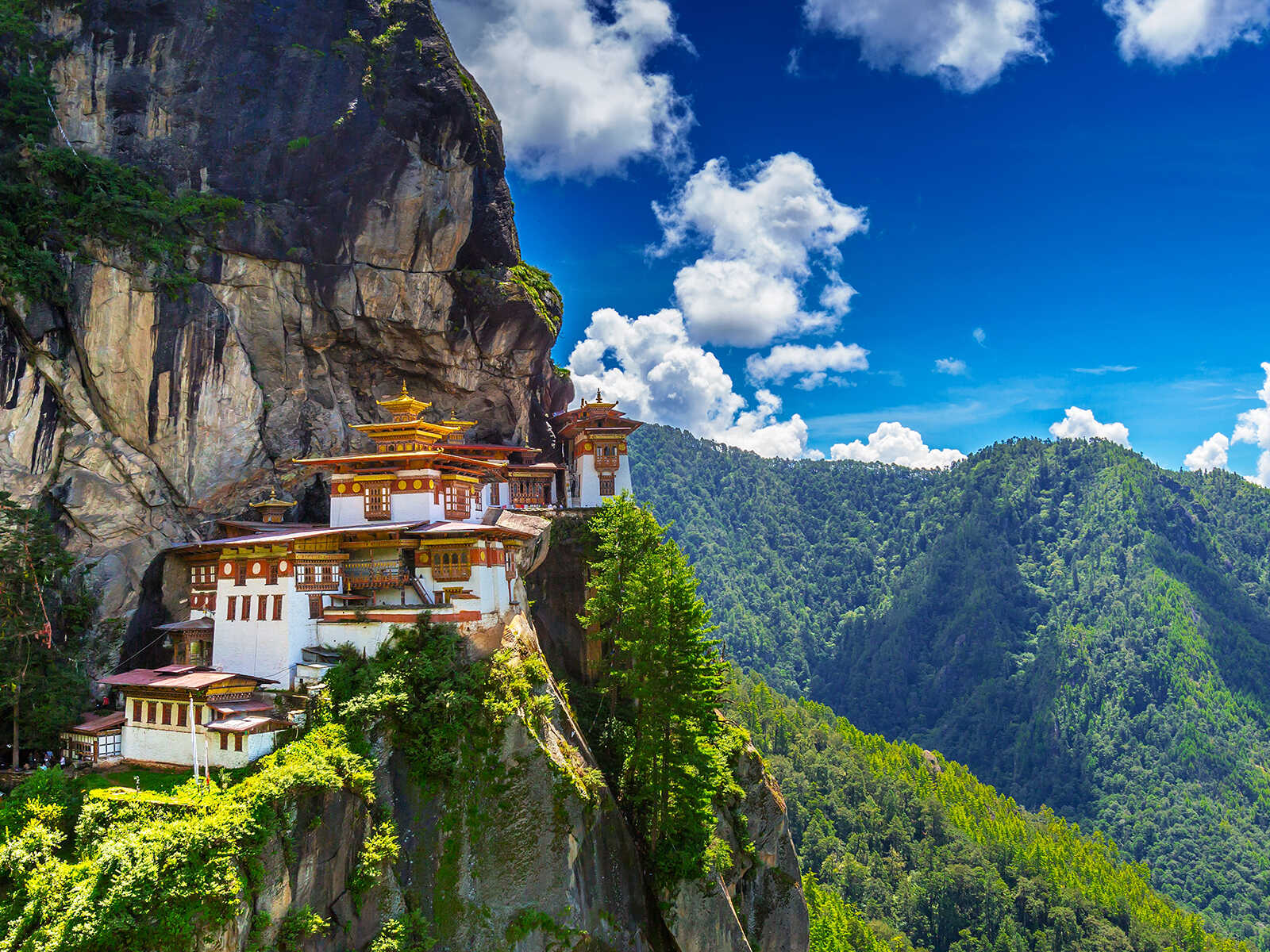
- Activities:This is a prime season for trekking, with trails like the Chomolhari trek offering incredible experiences. Cultural sightseeing is also popular, including visits to iconic sites such as the Tiger's Nest monastery (Paro Taktsang) and the majestic Rinpung Dzong.
- Festivals:Spring is synonymous with vibrant Tshechus (religious festivals), including the renowned Paro Tshechu, where masked dances and colorful rituals offer deep cultural insights.
Pros:Ideal weather for trekking and sightseeing, beautiful flora, major festivals.Cons:Can be quite crowded, especially during popular festival dates.
Summer (June - August): Lush Greenery and Gentle Monsoons
While often associated with the monsoon season, summer in Bhutan offers a unique charm with its incredibly lush landscapes and fewer crowds. The rain typically comes in short, heavy bursts, usually in the afternoons, leaving mornings clear and fresh.
- Weather:Warm and humid, with temperatures ranging from 20°C to 28°C in the valleys. Rainfall makes the country exceptionally green and vibrant.
- Activities:Summer is excellent for cultural tours, exploring dzongs like the stunning Punakha Dzong, and visiting museums such as the National Museum Of Bhutan. The Haa Valley, often referred to as the "Hidden Land," is particularly beautiful and less affected by heavy rains. Lower altitude hikes are enjoyable, and the mist-shrouded landscapes create a mystical atmosphere.
- Photography:The verdant valleys, cascading waterfalls, and dramatic cloud formations provide fantastic photographic opportunities.
Travel Tip: During summer, waterproof gear is essential, but the rewards are fewer tourists and incredibly vibrant, green scenery.
Pros:Fewer tourists, lush green landscapes, cultural immersion, good for budget travelers (generally lower demand).Cons:Potential for rain disruptions, some high-altitude treks may be less accessible due to muddy trails.
Autumn (September - November): Golden Views and Clear Skies
Autumn is another peak season and is often hailed as the absolute best time to visit Bhutan. The monsoon rains have receded, leaving behind clear, crisp air and stunning panoramic views of the Himalayas.
- Weather:Pleasant and stable, with temperatures ranging from 15°C to 25°C. Days are sunny, and nights are cool. This period offers the clearest skies and best visibility.
- Activities:Ideal for all types of activities, from challenging treks to leisurely cultural tours. Popular spots like the Tiger's Nest are magnificent under clear blue skies. The panoramic views from Dochula Pass, featuring 108 stupas against a backdrop of snow-capped peaks, are at their best. Enjoy visits to the colossal Buddha Dordenma statue and scenic drives to places like Chele La.
- Festivals:Many significant Tshechus, including the Thimphu Tshechu and Bumthang festivals, take place in autumn, drawing large crowds and offering unparalleled cultural experiences.
Pros:Pristine weather, clear mountain views, excellent for trekking and photography, numerous festivals.Cons:Peak season means higher tourist numbers and can be more expensive (though Bhutan’s tourism policy helps manage this).
Winter (December - February): Serene Landscapes and Warm Valleys
Winter in Bhutan offers a tranquil and serene experience, with crisp air and often clear, sunny days. While higher elevations can be quite cold and may experience snowfall, the lower valleys remain relatively mild and inviting.
- Weather:Cold, especially in the mornings and evenings, with temperatures ranging from -5°C to 15°C, depending on altitude. Days are often sunny and dry. Snowfall is common in higher regions, creating picturesque landscapes.
- Activities:Perfect for cultural tours in the warmer, lower-lying valleys like Punakha. Visiting the Punakha Dzong and walking across the Punakha suspension bridge are particularly pleasant. It's also the season for bird watching, especially for the rare Black-necked Cranes that migrate to Phobjikha Valley. Winter treks in lower altitudes are possible and offer peaceful solitude.
- Festivals:Winter hosts festivals such as the Punakha Domchoe and the annual Black-necked Crane Festival.
Fun Fact: The Black-necked Cranes are revered in Bhutanese folklore and are considered symbols of good fortune. Their arrival signals the colder months.
Pros:Fewer tourists, clear skies, opportunities for unique cultural experiences and bird watching, beautiful snowy landscapes at higher elevations.Cons:Very cold in some areas, higher altitude passes may be closed due to snow, limited trekking options.
Choosing Your Best Time: Key Considerations
To determine your ideal travel time, consider these factors:
- Trekking vs. Cultural Tours:For extensive trekking, spring and autumn are paramount. For cultural tours, all seasons offer opportunities, with winter and summer providing fewer crowds.
- Festivals:If attending a Tshechu is a priority, align your visit with the festival calendar (mostly spring and autumn).
- Crowds:Avoid peak crowds by traveling in summer or winter if solitude is important to you.
- Photography:Spring and autumn offer clear skies and vibrant colors. Summer brings lush greens and dramatic cloudscapes, while winter provides crisp light and snowy scenes.
Bhutan truly is a year-round destination, each season unveiling a different facet of its beauty and culture. Whether you dream of vibrant spring blooms, serene winter landscapes, or the glorious clear skies of autumn, the Kingdom of Bhutan awaits with an unforgettable experience tailored to your chosen time.