
Is Azerbaijan Safe for Tourists? Your Essential Safety Guide
Azerbaijan, a captivating blend of ancient history and modern ambition, is increasingly drawing curious travelers to its shores. As with any international destination, a key question for prospective visitors is, "Is Azerbaijan safe?" The answer, largely, is yes – but understanding local nuances and taking sensible precautions will ensure a smooth and enjoyable trip.
Overall Safety Assessment: A Welcoming Nation
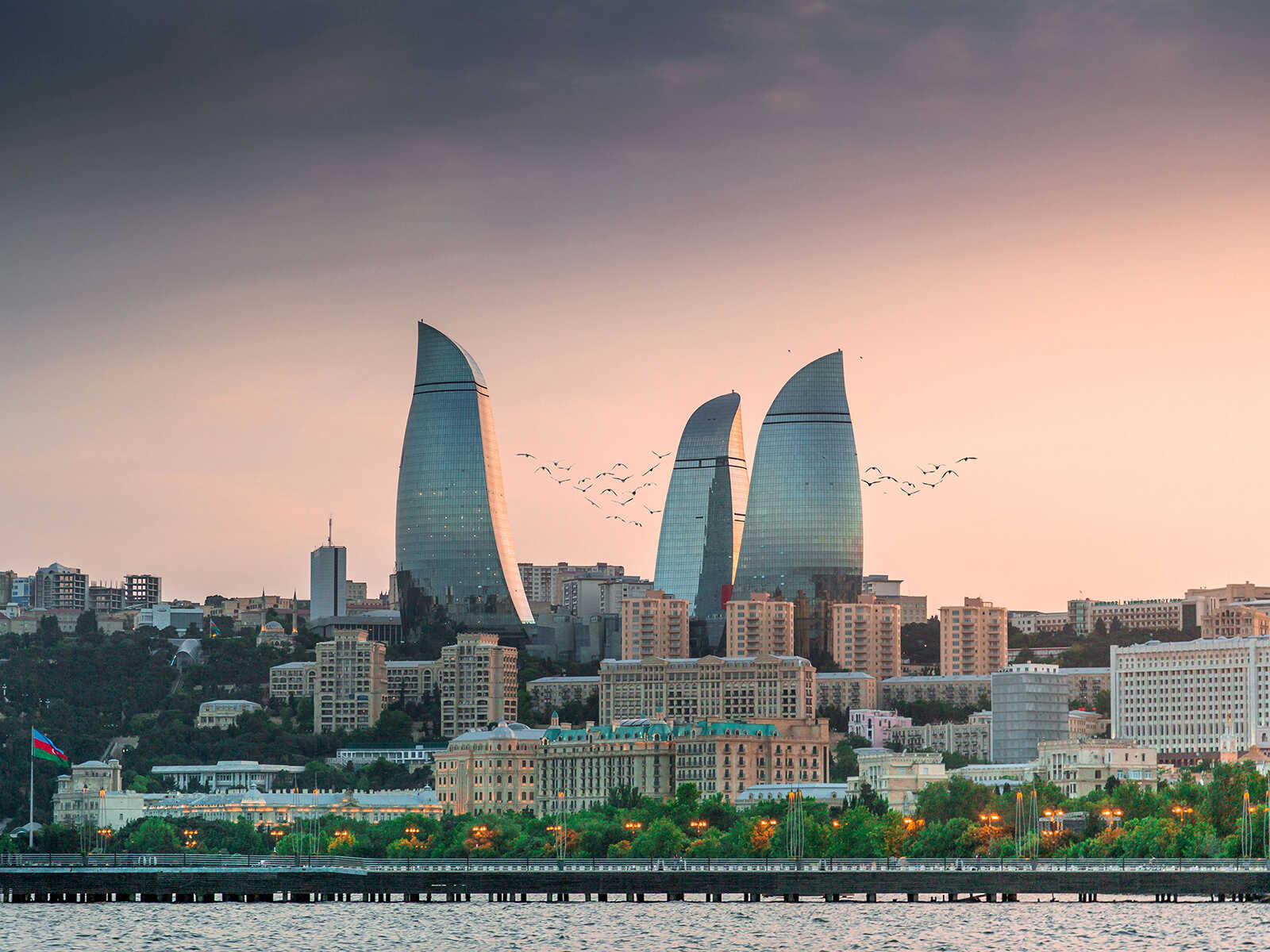
Azerbaijan is generally considered a safe country for tourists, with low rates of violent crime. The capital, Baku, is particularly modern and well-policed, often feeling very secure even at night. The Azerbaijani people are known for their hospitality and warmth, often eager to help visitors. However, like any urban environment or foreign country, vigilance against petty crime and awareness of local customs are always advised.
Petty Crime: Stay Aware, Stay Safe
While violent crime is rare, petty offenses such as pickpocketing and bag snatching can occur, especially in crowded tourist areas, markets, or on public transport.
- Be Mindful in Crowds:Areas like Icherisheher(Old City), the Seaside boulevard, and major shopping districts are prime spots for opportunistic thieves.
- Secure Valuables:Keep passports, large sums of cash, and expensive electronics out of sight. A money belt or a secure cross-body bag is a good idea.
- Avoid Flashing Wealth:Try not to display expensive jewelry or wave large amounts of cash.
Scams and Overcharging: Common Tourist Pitfalls
Tourists might occasionally encounter attempts at overcharging, particularly with taxis or at less reputable souvenir shops.
- Taxis:Always agree on a fare before starting your journey, or use ride-hailing apps (like Bolt or Uber) which offer transparent pricing. Avoid unmarked taxis.
- Bargaining:In local bazaars, bargaining is common and expected. For established shops or restaurants, prices are generally fixed.
Travel Tip:Learning a few basic Azerbaijani or Russian phrases (like "salam" for hello, "sağ olun" for thank you, and numbers) can greatly enhance interactions and sometimes help avoid misunderstandings.
Navigating Azerbaijan: Transport and Road Safety
Driving habits in Azerbaijan can be assertive, and pedestrian crossings are not always respected.
- Pedestrian Safety:Be extremely cautious when crossing roads, even at designated crosswalks. Always look both ways, and assume drivers might not yield.
- Public Transport:Baku's metro system is efficient and safe. Buses are also widely used. Be aware of your belongings in crowded carriages.
- Intercity Travel:Buses and trains connect major cities. For longer distances, consider reputable private car services or domestic flights if available. If renting a car, be prepared for varying road conditions outside of major cities.
Cultural Sensitivity and Local Customs
Azerbaijan is a secular Muslim-majority country, and while generally liberal, respecting local customs is important.
- Dress Code:While Western attire is common in Baku, especially in modern areas like around the Heydar Aliyev Center, modest dress is appreciated when visiting religious sites such as the Heydar Mosque or rural villages. Shoulders and knees should generally be covered.
- Photography:Always ask for permission before photographing individuals, especially in rural areas. Be discreet when taking photos near government buildings or military installations.
- Alcohol:Alcohol is widely available, particularly in Baku, and consumption is generally accepted in appropriate settings. However, public intoxication is frowned upon.
Political and Geopolitical Awareness
The Nagorno-Karabakh conflict has historically been a sensitive issue. While the active conflict phase has ended, certain border areas remain militarized or restricted.
- Restricted Areas:Avoid any travel to or near former conflict zones without explicit official permission and guidance. Stick to established tourist routes.
- Border Crossings:If you plan to travel to neighboring countries, ensure all your visa and entry requirements are in order and check current border situations.
Health and Medical Preparedness
Medical facilities in Baku are generally adequate for routine care, but serious medical emergencies may require evacuation.
- Travel Insurance:Comprehensive travel insurance is highly recommended. Ensure it covers medical emergencies, including potential evacuation.
- Pharmacies:Pharmacies are widely available in cities, and many common medications can be purchased.
- Food and Water:Tap water is generally not recommended for drinking. Stick to bottled water. Enjoy local cuisine, but exercise caution with street food, especially in less hygienic-looking stalls.
Exploring Beyond Baku: Rural Areas and Excursions
Venturing outside the capital offers incredible experiences, from the ancient petroglyphs of Qobustan to the mountain village of Khinalug and the historic city of Sheki.
- Hiking and Nature:If planning hikes in areas like the Absheron National Park or mountainous regions, inform someone of your itinerary and go with a guide if possible, especially in remote areas.
- Road Conditions:Roads to popular sites like Yanar Dag and Ateshgah are generally good, but conditions can vary significantly in more remote parts.
- Local Knowledge:When visiting smaller towns or villages, embracing local customs and showing respect for traditions is particularly important.
Specific Advice for Travelers
Women Travelers
Women travelers are generally safe in Azerbaijan. Harassment is uncommon, particularly in Baku.
- Dress Modestly:While not strictly enforced in Baku, dressing modestly can help avoid unwanted attention, particularly outside the capital.
- Nightlife:Baku has a vibrant nightlife. Exercise the same precautions you would in any major city – don't walk alone at night in poorly lit areas, and use reputable transport.
LGBTQ+ Travelers
While homosexuality is not illegal in Azerbaijan, societal views can be conservative, especially outside of Baku. Public displays of affection between same-sex couples are not advised. Discretion is recommended to avoid unwanted attention.
Essential Safety Checklist for Your Trip
- Research and Plan:Understand your destinations and routes.
- Emergency Contacts:Know local emergency numbers (102 for police, 103 for ambulance, 112 for general emergencies). Keep embassy/consulate details handy.
- Stay Connected:Purchase a local SIM card for easy communication and navigation.
- Inform Others:Share your itinerary with a trusted friend or family member.
- Trust Your Gut:If a situation feels uncomfortable or unsafe, remove yourself from it.
Conclusion: Experience Azerbaijan Safely
Azerbaijan offers a rich tapestry of experiences, from the ancient walls of The Palace of Shirvanshahs to the modern marvels of Baku and the serene beauty of The Caspian Sea. By staying informed, exercising common sense, and being respectful of local culture, visitors can confidently explore this fascinating country and create unforgettable memories. Your essential safety guide ensures you’re well-prepared for a secure and spectacular Azerbaijani adventure.