
Getting Around Azerbaijan: Transportation Tips for Travelers
Navigating Azerbaijan is an adventure in itself, offering a blend of modern convenience and traditional travel experiences. From bustling cityscapes to serene mountain villages, understanding the local transportation options is key to unlocking the full potential of your journey. This guide provides essential tips to help you move smoothly across this fascinating country.
Public Transportation in Baku: Your Urban Lifeline
Baku, the vibrant capital, boasts an efficient public transport system that makes exploring its many attractions both easy and affordable. The city is well-connected by metro, buses, and even a scenic funicular.
The Baku Metro
The Baku Metro is a traveler's best friend for getting around the city quickly and avoiding traffic. Opened in 1967, it's known for some of its beautifully ornate stations, reminiscent of Moscow's famous underground. The metro covers most key areas, making it ideal for reaching destinations like the historical Icherisheher(Old City), the majestic The Palace of Shirvanshahs, the architectural marvel that is the Heydar Aliyev Center, or the impressive Heydar Mosque.
- BakuCard:To use the metro (and buses), you'll need a BakuCard. These contactless cards can be purchased and topped up at metro stations or kiosks.
- Operating Hours:The metro typically runs from 06:00 to 00:00.
- Frequency:Trains are frequent, especially during peak hours.
Traveler Tip:Some Baku Metro stations are architectural gems in themselves. Take a moment to admire the intricate designs and chandeliers, particularly at stations like 28 May or Elmlər Akademiyası.
Buses and Marshrutkas
Baku's extensive bus network complements the metro, reaching areas not covered by the underground. Modern, air-conditioned buses operate throughout the city. Marshrutkas, or shared minibuses, are also prevalent, offering a more local experience, though they can be less comfortable and routes might be harder for non-locals to decipher.
- Payment:Like the metro, BakuCard is used for city buses. For marshrutkas, cash payment (exact change often preferred) is common, but some accept BakuCard.
- Routes:Bus stops usually display route numbers and destinations. Google Maps is generally reliable for planning bus journeys in Baku.
Baku Funicular
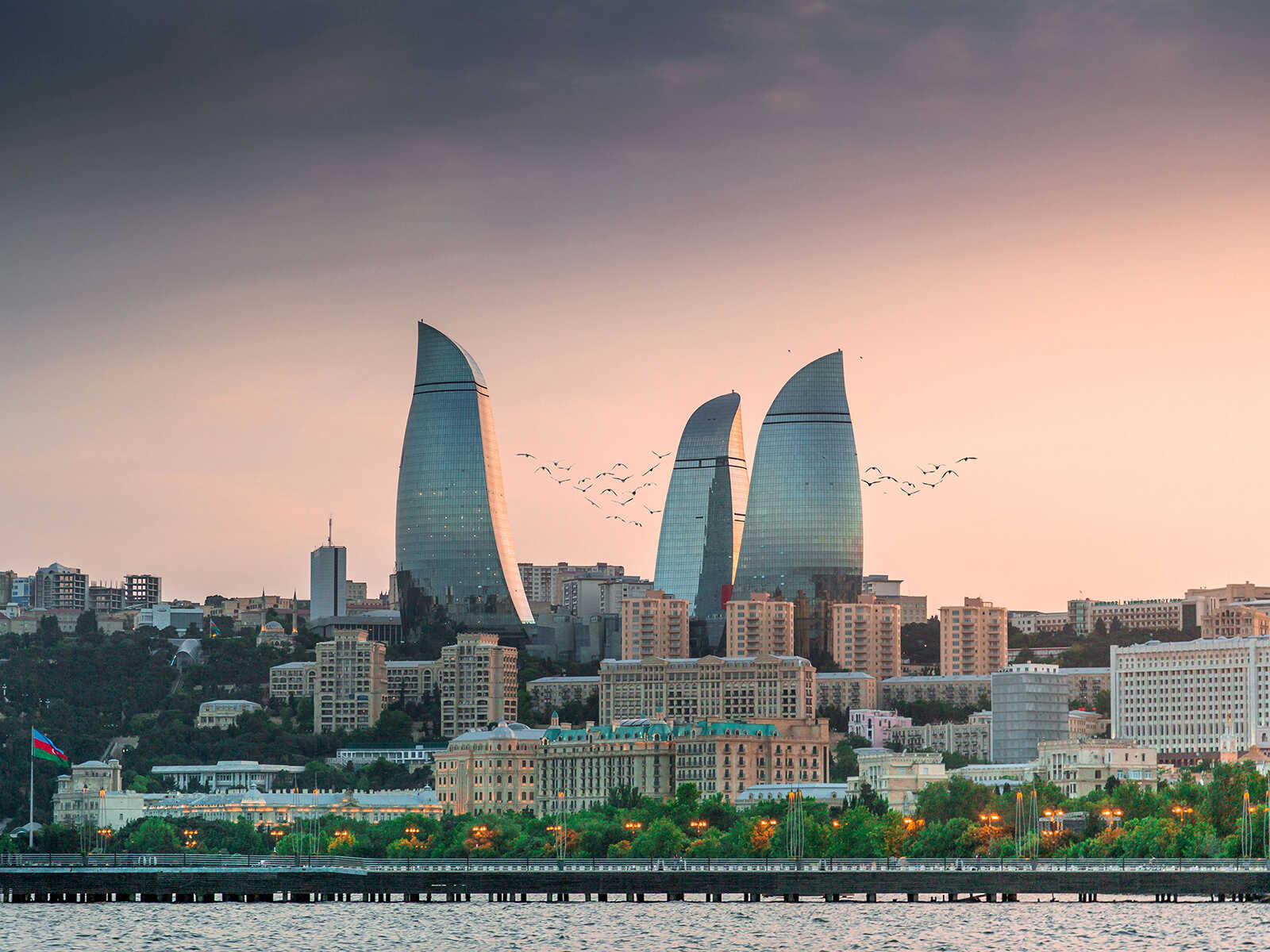
For a unique and scenic ride, take the Baku Funicular. It connects Neftchilar Avenue at the base of the hill to Martyr's Lane and the Flame Towers at the top. It's a great way to access panoramic views of the city and The Caspian Sea, and it’s just a short walk from the Seaside boulevard.
Taxis and Ride-Sharing: Convenience at Your Fingertips
Taxis are readily available throughout Azerbaijan, especially in Baku. While traditional "London-style" purple cabs are common, ride-sharing apps have become the preferred and most reliable option for many travelers.
- Ride-Sharing Apps:Apps like Bolt and Uber are widely used in Baku and other major cities. They offer transparent pricing, cashless payments, and GPS tracking, significantly reducing language barrier issues and potential overcharging.
- Traditional Taxis:If hailing a taxi on the street, always agree on the fare before starting your journey, as meters are rarely used. It's wise to have a general idea of fair prices for your route.
- Intercity Taxis:For trips to nearby towns or attractions like Qobustan, you can often negotiate with a taxi driver for a round trip. This can be a convenient, albeit more expensive, option.
Intercity Travel: Exploring Beyond Baku
To venture outside the capital and explore Azerbaijan's diverse landscapes and historical sites, you have several options.
Trains
Azerbaijan has a developing rail network. While not as extensive as in some other countries, trains offer a comfortable and often scenic way to travel between major cities. The most popular route for tourists is from Baku to Sheki, a historic city known for its Khan's Palace. Night trains are available on some routes, offering sleeper compartments.
- Booking:Tickets can be purchased at train stations or through the Azerbaijan Railways website. Booking in advance is recommended, especially for popular routes or sleeper cars.
- Comfort:Trains typically offer different classes of service, from basic seats to more comfortable sleeper berths.
Buses and Marshrutkas for Regional Travel
For reaching smaller towns, remote villages like Khinalug(though a private vehicle or tour is often needed for the final stretch), or attractions not served by train, intercity buses and marshrutkas are the backbone of public transport. They depart from designated bus terminals (avtovağzal) in major cities.
- Routes:Buses serve almost every corner of the country. Marshrutkas are often faster and more frequent for shorter distances.
- Experience:While generally safe, buses and marshrutkas can be crowded and less comfortable for long journeys. Be prepared for frequent stops.
- Language:Having destination names written in Azeri (or showing it on your phone) can be very helpful.
Domestic Flights
Azerbaijan Airlines (AZAL) operates a limited number of domestic flights, primarily connecting Baku with Nakhchivan. While not typically used by tourists for mainland travel due to the relatively short distances, it's an option for reaching the isolated Nakhchivan Autonomous Republic.
Car Rental and Driving
Renting a car offers the ultimate flexibility to explore Azerbaijan at your own pace, especially if you plan to visit multiple sites or venture off the beaten path to places like Yanar Dag,Ateshgah, or Absheron National Park.
- Requirements:You'll need an International Driving Permit (IDP) in addition to your national driving license.
- Road Conditions:Major roads connecting cities are generally well-maintained, but rural roads can be less so. Driving can be challenging in cities due to aggressive driving styles and traffic.
- Navigation:GPS apps like Google Maps or Waze work well.
- Consideration:If you're not comfortable with assertive driving or navigating unfamiliar road rules, a private driver or organized tour might be a less stressful alternative.
General Transportation Tips for Travelers
- Language:While many younger people in Baku speak English, outside the capital, Russian and Azeri are more common. Have essential phrases or destination names written down.
- Offline Maps:Download offline maps of Baku and other areas you plan to visit. This is invaluable for navigation, especially if you lose internet connectivity.
- Local SIM Card:Consider purchasing a local SIM card (e.g., Azercell, Bakcell, Nar Mobile) for reliable internet access, which is crucial for ride-sharing apps and online maps.
- Be Patient:Traffic in Baku can be heavy, especially during rush hour. Allow extra time for travel.
- Safety:Public transport is generally safe. As with any travel, be aware of your surroundings and keep an eye on your belongings.
Getting around Azerbaijan is a journey of discovery. Whether you're zipping through Baku on the metro, taking a scenic train ride to Sheki, or navigating rural roads by car, each mode of transport offers a unique perspective on this captivating country. With these tips in hand, you're well-prepared to explore Azerbaijan's rich history, stunning landscapes, and vibrant culture.