
Azerbaijan's Fire Temples and Burning Mountain: Yanar Dag & Ateshgah
Azerbaijan, often called the "Land of Fire," boasts a deep-rooted connection to natural flames, a heritage shaped by its abundant oil and gas reserves. This fiery legacy is nowhere more evident than at its ancient fire temples and naturally burning mountains, two of the most captivating being Yanar Dag and Ateshgah. These sites offer a fascinating glimpse into the geological wonders and spiritual history that define this unique nation.
The Eternal Flames of the Absheron Peninsula
The Absheron Peninsula, extending into the Caspian Sea, has been a cradle of natural gas seeps for millennia. These geological phenomena have fueled an ancient reverence for fire, giving rise to practices and beliefs that predate many modern religions. While today we understand the science behind these "eternal" flames, their mystical allure remains powerful, drawing visitors from across the globe to witness Azerbaijan's fiery heart.
Yanar Dag: The Burning Mountain
Just a short drive from Baku,Yanar Dag, or "Burning Mountain," presents an awe-inspiring spectacle. Here, a continuous wall of fire dances along a hillside, fueled by natural gas escaping directly from the earth. This flame has been burning for centuries, largely untouched by the elements, a testament to the persistent geological activity beneath the surface of the Absheron Peninsula.
A Natural Phenomenon
The flames at Yanar Dag are a result of methane gas seeping through porous sandstone layers. When this gas comes into contact with oxygen and an ignition source (likely a lightning strike or early human activity), it ignites and burns continuously. Unlike the controlled flames of a gas stove, these fires are wild and organic, flickering and roaring with a primal energy that connects visitors to the raw power of nature.
Fun Fact:It is believed that Marco Polo observed similar fires in the region during his travels in the 13th century, noting the mysterious natural phenomena of Azerbaijan.
Historical and Spiritual Significance
For centuries,Yanar Dag has been a place of pilgrimage and wonder. It likely served as a significant site for Zoroastrians, who consider fire a sacred element representing purity and the divine. Even today, the site exudes a serene, almost meditative atmosphere, especially as dusk falls and the flames illuminate the darkening landscape. Visitors often gather on benches opposite the burning wall to watch the mesmerizing dance of fire.
Visiting Yanar Dag
The site is easily accessible by taxi or public transport from Baku. It's best visited in the late afternoon or early evening, as the flames become more dramatic against the twilight sky. There is a small museum and café on site, providing context and refreshments. Combine a visit to Yanar Dag with a trip to Ateshgah for a comprehensive fire-themed exploration of Azerbaijan's heritage.
Ateshgah: The Fire Temple of Baku
Further embodying Azerbaijan's fiery past is the Ateshgah, or "Fire Temple," located in the village of Surakhany, also on the Absheron Peninsula. This pentagonal complex, resembling a caravanserai with its central courtyard and surrounding cells, is a UNESCO World Heritage Site candidate and a profound symbol of the region's diverse spiritual history.
A Crossroads of Faiths
Ateshgah served as a sanctuary for fire worship for centuries. While commonly associated with Zoroastrianism, its most prominent structural elements date back to the 17th and 18th centuries and reflect a strong influence from Indian ascetic traditions. Inscriptions in Sanskrit and Punjabi found on the site indicate that it was a significant place of worship for Hindu and Sikh pilgrims who traveled along the Silk Road. These pilgrims revered the natural gas flames that emerged from the ground, believing them to be manifestations of the divine.
The Architecture and the Flames
The temple's design is striking: a central altar with a main flame, surrounded by smaller flames emanating from chimneys on the roofs of the cells. Each cell once housed an ascetic, who would meditate and pray amidst the constant presence of fire. The original natural flames at Ateshgah, like many others across the Absheron Peninsula, eventually died out in the late 19th and early 20th centuries due to extensive exploitation of the natural gas fields. Today, the central flame and others are fed by piped gas to preserve the historical ambiance and educate visitors about its past.
Travel Tip:While at Ateshgah, take your time to explore each cell. Many contain informative displays, wax figures, and artifacts that depict the lives of the ascetics and the various rituals performed at the temple.
Visiting Ateshgah
Ateshgah is well-maintained and functions as a historical museum. It's easily reachable from Baku by bus, taxi, or as part of an organized tour. It offers a rich educational experience, detailing the history of fire worship, the lives of its devotees, and the cultural exchanges that took place at this spiritual crossroads. Combining a visit to Ateshgah with Yanar Dag makes for a perfect day trip focusing on Azerbaijan's fiery heritage.
The Enduring Legacy of Fire
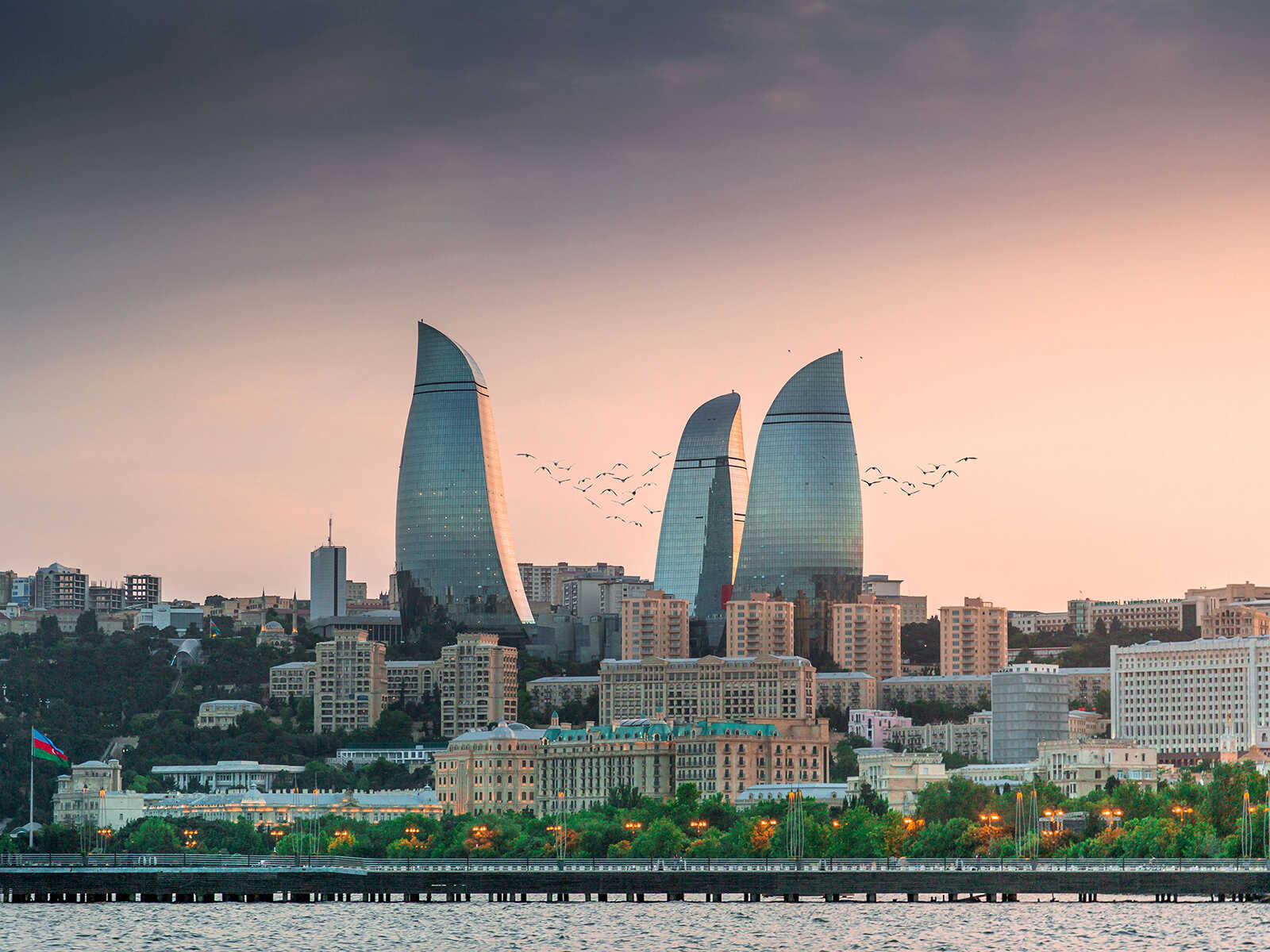
The natural flames of Yanar Dag and the historical significance of Ateshgah are more than just tourist attractions; they are living testaments to Azerbaijan's identity as the "Land of Fire." This ancient connection to fire is woven into the nation's culture, art, and even its modern architecture, subtly influencing the design of contemporary landmarks like the Flame Towers in Baku. Exploring these sites offers a unique opportunity to understand the profound geological and spiritual forces that have shaped this vibrant country.
Planning Your Fiery Exploration
Both Yanar Dag and Ateshgah are located relatively close to Baku, making them ideal destinations for a half-day or full-day excursion from the capital. Many local tour operators offer combined tours to both sites, often including transportation and a guide, which can be a convenient option for travelers.
- Transportation:Taxis are readily available in Baku. You can also use ride-sharing apps. For a more local experience, public buses serve both areas, though navigating the routes might require some planning.
- Best Time to Visit:Spring (April-May) and Autumn (September-October) offer pleasant weather for exploring. As mentioned, visiting Yanar Dag closer to dusk enhances the experience of the flames.
- Combining with other attractions:You can easily pair this trip with exploring Baku's Old City (Icherisheher), including The Palace of Shirvanshahs, or a stroll along the Seaside boulevard before heading out to the Absheron Peninsula. For those interested in ancient history, a visit to Qobustan's rock art and mud volcanoes could be a complementary day trip.
Discovering Azerbaijan's fire temples and burning mountain is an unforgettable journey into the heart of its ancient and mystical past. These sites don't just showcase geological wonders; they reveal the enduring human fascination with fire and its profound role in shaping cultures and beliefs.