
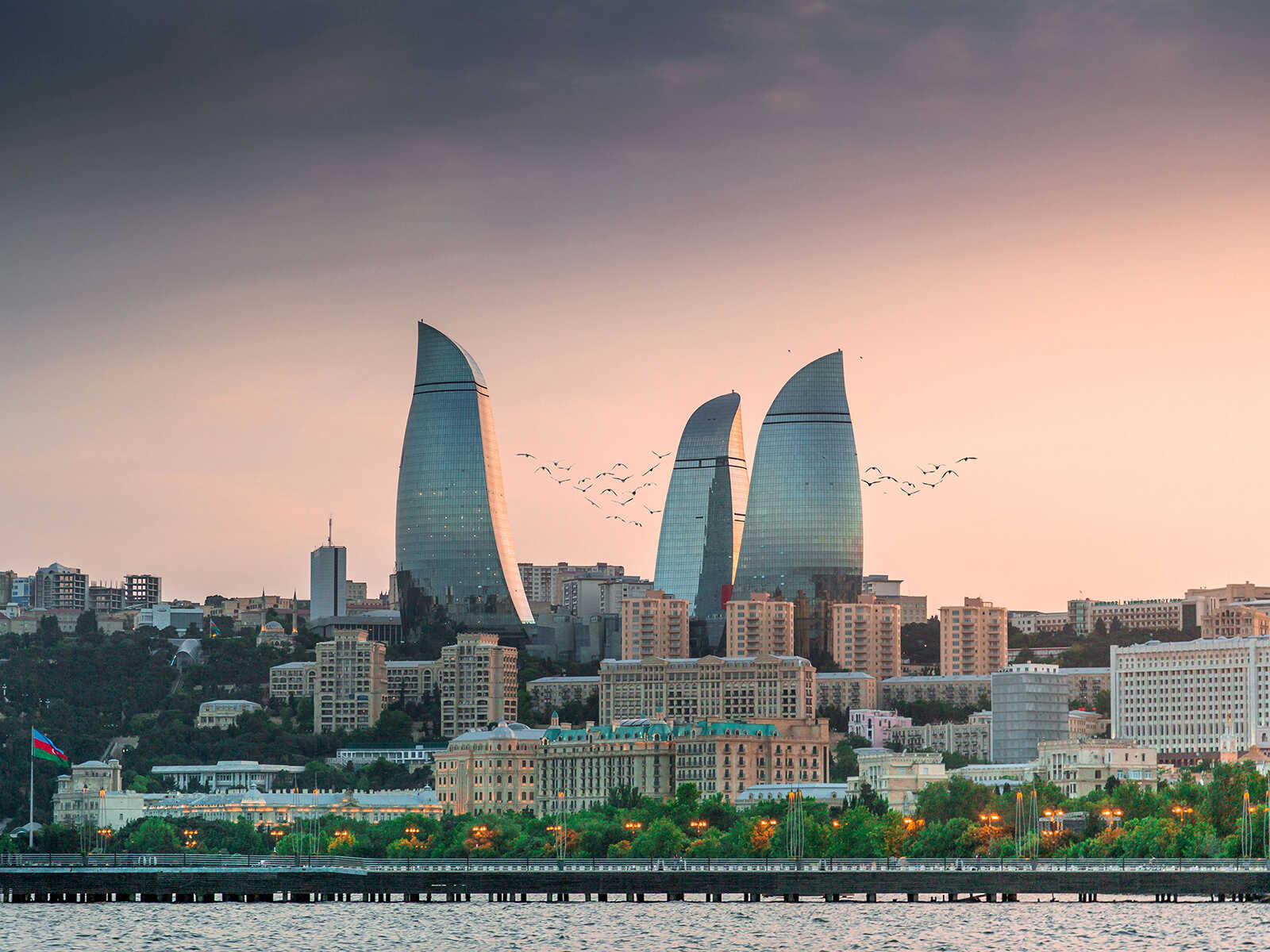
Azerbaijani Culture and Customs: Essential Guide for Travelers
Azerbaijan, a captivating crossroads of East and West, offers travelers a vibrant tapestry of history, tradition, and breathtaking landscapes. To truly immerse yourself in this unique nation, understanding its rich culture and customs is paramount for a respectful and enriching journey.
A Glimpse into Azerbaijani Identity
Azerbaijani culture is a fascinating blend, shaped by centuries of influences from Persia, the Ottoman Empire, and Russia, yet maintaining a distinct identity. It is a culture deeply rooted in hospitality, family values, and a profound respect for elders, tradition, and the arts.
Hospitality: The Cornerstone of Azerbaijani Life
One of the most defining characteristics of Azerbaijani culture is its unparalleled hospitality. Guests are considered a gift from God, and locals will often go out of their way to make visitors feel welcome.
Greetings and Social Etiquette
- Handshakes:Men typically shake hands with other men upon meeting. Women may offer a handshake to other women or close female friends, but it's best to wait for them to initiate. A slight nod is a respectful alternative.
- Personal Space:Azeris generally stand closer to each other during conversations than many Westerners might be accustomed to.
- Respect for Elders:Always show deference to older individuals. This might involve standing when they enter a room, offering them the best seat, or allowing them to speak first.
Visiting Homes
If you are invited into an Azerbaijani home, it's a great honor and a wonderful opportunity to experience authentic culture. Here are a few tips:
- Gifts:It's customary to bring a small gift, such as chocolates, flowers, or a souvenir from your home country. Avoid bringing alcohol unless you are certain your hosts consume it.
- Shoes Off:Always remove your shoes before entering someone's home. You'll usually find a designated area near the entrance.
- Dining:Expect to be offered an abundance of food and tea. It's polite to accept a small amount, even if you're not hungry. Finishing your plate completely might signal that you're still hungry, so leaving a tiny bit can be a subtle way to indicate satisfaction.
Travel Tip:Learning a few basic Azerbaijani phrases like "Salam" (Hello), "Sağ olun" (Thank you), and "Buyurun" (Please/You're welcome) will be greatly appreciated by locals and can open doors to warmer interactions.
Dress Code and Public Appearance
Azerbaijan is a predominantly secular country, but modesty is generally appreciated, especially outside of Baku's more cosmopolitan areas and when visiting religious sites.
- General Attire:For daily wear, comfortable and modest clothing is advisable. Avoid overly revealing outfits.
- Religious Sites:When visiting mosques, women should cover their heads, shoulders, and knees. Men should wear long trousers. Many mosques, such as the impressive Heydar Mosque, provide headscarves and coverings for visitors who need them.
Religious Observances
While the majority of Azeris identify as Muslim (predominantly Shia), the country prides itself on its secularism and religious tolerance. You'll find a peaceful coexistence of various faiths.
- Ramadan:During the holy month of Ramadan, some people fast from dawn till dusk. While tourists are not expected to fast, being mindful and respectful of those who are is appreciated.
- Prayer Times:Mosques will call for prayer five times a day. Be mindful of these times if you are near a mosque, and avoid making excessive noise or disrupting worshippers. You can also explore ancient fire temples like Ateshgah and the natural burning mountain of Yanar Dag, remnants of the country's Zoroastrian past.
The Rich Tapestry of Azerbaijani Arts and Crafts
Azerbaijan boasts a vibrant artistic heritage, from intricate carpet weaving to soul-stirring music.
- Carpets:Azerbaijani carpets are world-renowned for their unique patterns, vibrant colors, and meticulous craftsmanship. They are more than just floor coverings; they are an integral part of cultural identity and storytelling.
- Mugham:This traditional form of Azerbaijani folk music is a UNESCO Intangible Cultural Heritage. Its complex melodic and rhythmic structures are deeply emotional and often improvised.
- Architecture:From the ancient fortifications of Icherisheher, including the majestic The Palace of Shirvanshahs, to the striking contemporary design of the Heydar Aliyev Center, Azerbaijani architecture tells a story of diverse influences and innovation.
A Culinary Journey: Azerbaijani Cuisine
Food is central to Azerbaijani social life and hospitality. Prepare for delicious, hearty meals.
- Plov:The national dish, a flavorful rice pilaf often cooked with meat, dried fruits, and saffron.
- Kebabs:Skewered and grilled meats (lamb, beef, chicken) are incredibly popular.
- Dolma:Stuffed grape leaves, cabbage leaves, or vegetables with minced meat and rice.
- Tea:Black tea is served everywhere, often in traditional pear-shaped "Armudu" glasses, accompanied by jams and sweets. It's a symbol of hospitality and is offered frequently.
Festivals and Celebrations
Experience the joy of Azerbaijani festivals, which are often steeped in ancient traditions.
- Novruz Bayram (Spring Equinox):The most significant holiday, celebrated with immense enthusiasm. It symbolizes renewal and new beginnings, marked by bonfires, special foods, and family gatherings.
- Pomegranate Festival:Held annually in Goychay, celebrating the pomegranate, a national symbol.
Venturing out to places like Sheki or the remote mountain village of Khinalug can offer a deeper insight into regional customs and traditional lifestyles.
Navigating Public Spaces and Safety
Azerbaijan is generally a very safe country for travelers. Petty crime is rare, but it's always wise to take standard precautions.
- Public Transport:Baku has an efficient metro system. Taxis are widely available; it's best to agree on a fare beforehand or ensure the meter is used.
- Photography:Generally, it's acceptable to take photos, but always ask for permission before photographing individuals, especially in rural areas.
- Cultural Sites:Explore ancient petroglyphs at Qobustan or enjoy a stroll along the Seaside boulevard in Baku, keeping in mind local customs even in modern settings.
Embracing the Azerbaijani Experience
By approaching your trip with an open mind and a willingness to learn, you'll find the Azerbaijani people incredibly welcoming and eager to share their culture. Respecting local customs not only ensures a smoother journey but also enriches your experience, allowing you to connect more deeply with this fascinating land at the crossroads of civilizations.