
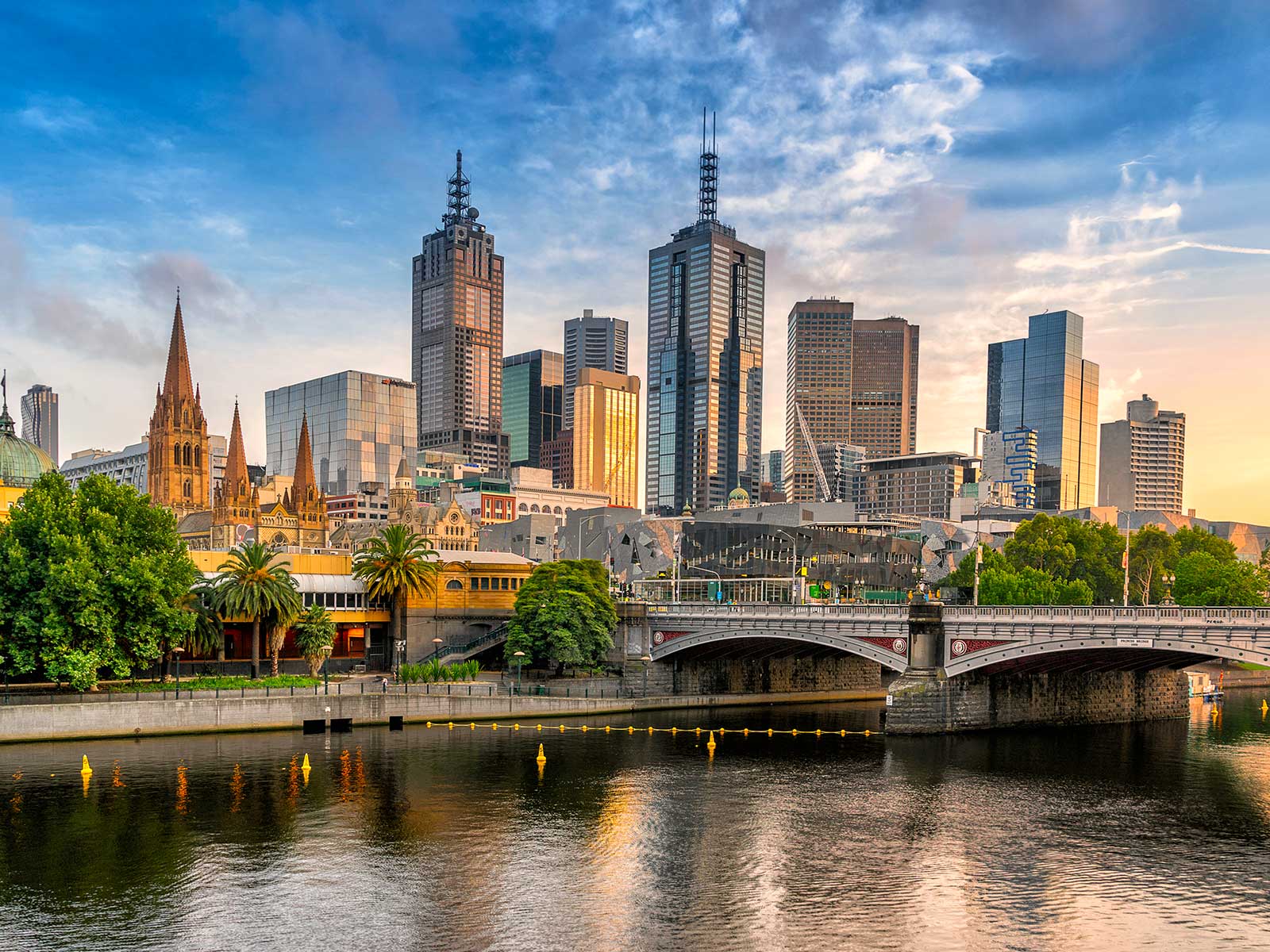
Best Time to Visit Australia: Region-by-Region Weather Guide
Australia, a continent of incredible diversity, boasts a vast array of climates and landscapes, making the "best" time to visit highly dependent on where you plan to explore. From sun-drenched beaches and ancient rainforests to arid deserts and snow-capped mountains, understanding Australia's distinct regional weather patterns is key to planning your perfect trip.
Due to its immense size, Australia experiences a range of climatic zones. Generally, the northern third of the country falls within the tropics, experiencing a wet and dry season, while the southern regions have four distinct temperate seasons, opposite to those in the Northern Hemisphere. This guide breaks down the optimal times to visit each major region.
Southern Australia: Temperate Zones & Dynamic Seasons
This vast region encompasses New South Wales, Victoria, South Australia, Tasmania, and the southern parts of Western Australia. Here, you'll find classic four-season weather, offering varied experiences throughout the year.
Summer (December – February)
- Weather:Generally warm to hot, with coastal areas often experiencing refreshing sea breezes. Inland temperatures can soar, especially in Adelaide and parts of New South Wales and Victoria.
- Best For:Beach holidays, surfing at Bondi Beach, exploring coastal drives like the Great Ocean Road, enjoying vibrant city life in Sydney and Melbourne, and island hopping to Rottnest Island or Kangaroo Island.
- Considerations:Can be peak tourist season, leading to higher demand and larger crowds. Bushfire season is a concern in some areas.
Autumn (March – May)
- Weather:Mild and pleasant temperatures, often with clear skies and lower humidity.
- Best For:Hiking in Blue Mountains National Park, enjoying wine regions around Adelaide, scenic drives, and exploring cities like Canberra. Tasmania's autumnal colours are particularly stunning, especially around Cradle Mountain.
- Considerations:An excellent shoulder season, often offering fewer crowds and comfortable weather.
Winter (June – August)
- Weather:Cooler temperatures, particularly in the south. Snow falls in the alpine regions of Victoria, New South Wales, and Tasmania. Coastal areas are milder but can be rainy.
- Best For:Skiing and snowboarding, cosy city breaks in Melbourne with its vibrant arts scene, whale watching along the coast, and exploring Tasmania's rugged beauty, perhaps a bracing walk to Wineglass Bay.
- Considerations:Some outdoor activities may be limited by cold or wet weather.
Spring (September – November)
- Weather:Mild and often sunny, with blooming wildflowers, especially in Western Australia. Temperatures gradually warm up towards summer.
- Best For:Hiking, exploring national parks, enjoying outdoor festivals, and experiencing the lively atmosphere of cities like Sydney and its iconic Sydney Opera House or a climb over the Sydney Harbour Bridge.
- Considerations:Another fantastic shoulder season, offering comfortable conditions before the summer heat.
Tropical North: Wet and Dry Seasons
Encompassing the Top End of the Northern Territory (including Darwin) and Far North Queensland (including Cairns and Port Douglas), this region experiences two distinct seasons rather than four.
Dry Season (May – October)
- Weather:Warm, sunny days, cooler nights, and low humidity. Often referred to as "winter" by locals, but temperatures are still pleasant.
- Best For:Exploring Kakadu National Park's accessible waterfalls and rock art, diving and snorkelling the Great Barrier Reef, hiking through the Daintree Rainforest, and enjoying outdoor markets and cruises.
- Considerations:This is peak tourist season, so book accommodation and tours well in advance.
Wet Season (November – April)
- Weather:Hot, humid, with heavy monsoonal rains and spectacular thunderstorms. Cyclones can occur.
- Best For:Witnessing lush landscapes, dramatic waterfalls at full flow, and experiencing fewer crowds. This is also the best time for barramundi fishing.
- Considerations:Some roads and areas in national parks may be closed due to flooding. "Stinger season" for marine life in coastal waters means swimming enclosures or protective suits are necessary when swimming in the ocean.
Travel Tip:While the Wet Season brings humidity and rain, it also transforms the landscape into a vibrant, emerald paradise. If you don't mind the heat, it offers a unique and often more affordable experience of the tropical north.
The Red Centre: Desert Extremes
Located in the heart of the Northern Territory, this arid region features iconic landmarks like Uluru-Kata Tjuta National Park. Its desert climate brings extreme temperatures.
Winter (May – September)
- Weather:Warm, sunny days (around 20-25°C / 68-77°F) and surprisingly cold nights, often dropping to near freezing.
- Best For:Hiking around Uluru, Kings Canyon, and Kata Tjuta, stargazing, and enjoying outdoor activities comfortably during the day.
- Considerations:This is the most popular time to visit, so expect crowds and book well ahead. Pack layers for the significant temperature fluctuations between day and night.
Summer (October – April)
- Weather:Extremely hot days (often exceeding 35°C / 95°F), with warm nights.
- Best For:Early morning or late afternoon activities, enjoying air-conditioned facilities, and experiencing the desert with fewer visitors.
- Considerations:Intense heat can make daytime outdoor activities challenging and potentially dangerous. Always carry plenty of water and follow local advice regarding heat safety.
Queensland Coast & Subtropics (Brisbane to Fraser Island)
This region, including Brisbane, the Gold Coast, Sunshine Coast, and the area around Fraser Island, has a subtropical climate.
Autumn & Spring (March – May & September – November)
- Weather:Mild, sunny, and less humid than summer. These are often considered the most pleasant times to visit.
- Best For:Beach holidays, exploring national parks, visiting Fraser Island, and enjoying outdoor activities and festivals.Byron Bay, just south of the QLD border, also shines during these months.
- Considerations:Excellent shoulder seasons offering comfortable weather and fewer crowds than peak summer.
Winter (June – August)
- Weather:Mild days, cool nights, and generally low rainfall.
- Best For:Whale watching (humpbacks migrate north), enjoying pleasant beach walks, and exploring the hinterland.
- Considerations:Ocean swimming might be a bit cool for some, but many still enjoy it.
Summer (December – February)
- Weather:Hot, humid, with a higher chance of rainfall and thunderstorms.
- Best For:Beach holidays if you enjoy the heat, swimming in the ocean, and taking advantage of indoor attractions.
- Considerations:Humidity can be intense. This is also a busy period due to school holidays.
General Planning Tips for Australia
- School Holidays:Be aware of Australian school holidays (mid-December to late January, early April, early July, late September/early October). These are peak travel times, leading to higher demand and larger crowds, especially in popular coastal and family destinations.
- Book Ahead:For popular regions and seasons, especially the tropical dry season or Red Centre winter, book flights, accommodation, and tours well in advance.
- Pack Smart:Given Australia's diverse climates, consider packing layers. Even in tropical areas, a light jacket might be welcome on cooler evenings or in air-conditioned spaces. Always include sun protection.
- Consider Multi-Regional Trips:If planning to visit multiple regions, factor in the best time for each. For example, a trip combining the temperate south and tropical north might be best in May/June or September/October to catch both in their shoulder or optimal seasons.
Ultimately, the "best" time to visit Australia depends on your desired activities and the specific regions you wish to explore. By understanding its unique regional weather patterns, you can plan an unforgettable adventure across this incredible continent.