
Understanding Armenian Coffee Culture: Beyond the Brew
In Armenia, coffee is far more than a morning pick-me-up; it's a cherished ritual, a symbol of hospitality, and a cornerstone of social life. From its meticulous preparation to the last sip, Armenian coffee offers a profound glimpse into the nation's rich cultural fabric.
Often referred to simply assoorj(սուրճ), Armenian coffee is distinct in its preparation and presentation. It embodies a leisurely pace, encouraging conversation and connection. For travelers exploring this ancient land, delving into its coffee culture is an essential part of the journey, revealing layers of tradition and community.
The Ritual of Preparation: A Time-Honored Tradition
The heart of Armenian coffee lies in its unique brewing method, which has been passed down through generations. It begins with thejazve(orcezve/ibrik), a small, long-handled pot, typically made of copper, with a wide base and a narrower neck. This specialized vessel is crucial for achieving the coffee's distinctive flavor and foam.
From Bean to Brew: The Steps to Perfection
- The Grind:Armenian coffee beans are ground to an extremely fine powder, almost like flour. This ultrafine consistency is key to extracting maximum flavor and creating the rich body of the coffee.
- Water and Sugar:Cold water is poured into the jazve. If desired, sugar is added at this stage, as stirring after brewing is generally avoided. The amount of sugar can range fromsoorj anshakar(no sugar) tokaghc’r soorj(sweet coffee).
- Adding Coffee:The finely ground coffee is gently added to the cold water. The general ratio is one heaped teaspoon per demitasse cup of water.
- Slow Heat:The jazve is placed over low to medium heat. The coffee is never brought to a rolling boil. Instead, it's slowly heated, allowing the flavors to meld and a rich, frothy foam to form on top. This foam, orerek, is highly prized and a sign of a well-prepared cup.
- Serving:Just before it boils over, the jazve is removed from the heat. The coffee is then carefully poured into small demitasse cups, ensuring each cup receives a portion of the coveted foam.
The resulting brew is strong, robust, and served without milk or cream, allowing its intense flavors to shine. The sediment from the fine grind settles at the bottom of the cup, a characteristic feature that adds to the coffee's unique charm.
Tip:True Armenian coffee is meant to be savored slowly. Do not stir the coffee once it's in your cup, as this will disturb the settled grounds and make your drinking experience gritty.
More Than Just a Drink: The Cultural Significance
Armenian coffee transcends its role as a beverage, acting as a powerful cultural adhesive. It's woven into the fabric of daily life, marking moments of joy, sorrow, and everyday connection.
Hospitality and Social Gatherings
Offering coffee to guests is a fundamental expression of Armenian hospitality. It's a gesture of welcome, a way to initiate conversation, and a sign of respect. Whether visiting a family home or a business associate, a cup of coffee is almost always extended. Similarly, gathering with friends and family over coffee is a cherished pastime, fostering intimacy and shared stories.
The Art of Tasseography (Surj)
Perhaps one of the most enchanting aspects of Armenian coffee culture is the tradition of fortune-telling, known assurj(coffee-reading) or tasseography. After finishing their coffee, individuals may invert their cup onto the saucer, allowing the remaining grounds to create patterns. An experienced reader then interprets these patterns, offering insights into the future, past, or present. It's a playful yet meaningful tradition that adds a mystical dimension to the coffee experience.
A Daily Ritual and Source of Comfort
From the bustling streets of Yerevan to tranquil villages, the aroma of brewing coffee is a constant presence. It's the morning ritual that kickstarts the day, the afternoon break that re-energizes, and the evening comfort that winds down. It connects generations, with grandparents teaching their grandchildren the art of brewing and reading the grounds.
Finding Your Perfect Cup: Where to Experience Armenian Coffee
Experiencing Armenian coffee in its native setting is a must for any visitor. The atmosphere often enhances the taste, making each sip a memory.
Bustling Cafes in Yerevan
Yerevan, the capital city, boasts a vibrant cafe scene where you can find both traditional and modern interpretations of Armenian coffee. Many cafes around the Cascade Complex offer charming outdoor seating, perfect for people-watching while enjoying your brew. These establishments range from quaint, old-world cafes to sleek, contemporary spots, all serving excellent coffee.
Authentic Rural Experiences
Venture outside the capital, and you'll discover coffee served in more intimate settings. Guesthouses and family-run establishments in regions like Dilijan National Park or near Lake Sevan often prepare coffee in the traditional home style, offering a taste that feels truly authentic. After exploring historical sites such as Khor Virap Monastery or Noravank Monastery, a stop at a local eatery for coffee provides a refreshing cultural immersion.
Street Vendors and Small Shops
For a quick and authentic cup, keep an eye out for smaller coffee stalls or vendors, especially in local markets or near popular landmarks like the Garni Temple. These often offer a no-frills, delicious cup, reflecting the everyday accessibility of coffee in Armenia.
Essential Etiquette and Tips for Enjoying Armenian Coffee
To fully appreciate and engage with Armenian coffee culture, a few simple tips can enhance your experience.
- Sip Slowly:Armenian coffee is not meant to be gulped. Take your time, savor the rich flavors, and enjoy the conversation.
- Don't Stir:Once poured, avoid stirring your coffee. The fine grounds are meant to settle at the bottom. Stirring will only suspend them, leading to a gritty texture.
- Specify Sugar Preference:If you prefer sugar, make sure to ask for it when ordering or preparing. Common options are unsweetened (anshakar), lightly sweetened (sakav kaghc’r), or sweet (kaghc’r).
- Accept with Gratitude:When offered coffee, especially in a home setting, it's customary to accept it as a sign of respect and appreciation for the host's hospitality.
- Pair with Water and Sweets:It's common to be served a glass of cold water alongside your coffee, both to cleanse the palate and to rehydrate. Small traditional sweets, like baklava or preserved fruits, also make excellent companions.
The Enduring Charm of Armenian Coffee
Armenian coffee culture is a testament to the nation's ability to preserve its traditions while adapting to modern life. While specialty coffee shops offering various brewing methods are emerging, the core essence of Armenian coffee remains untouched: a symbol of connection, a medium for storytelling, and a deep-rooted expression of identity.
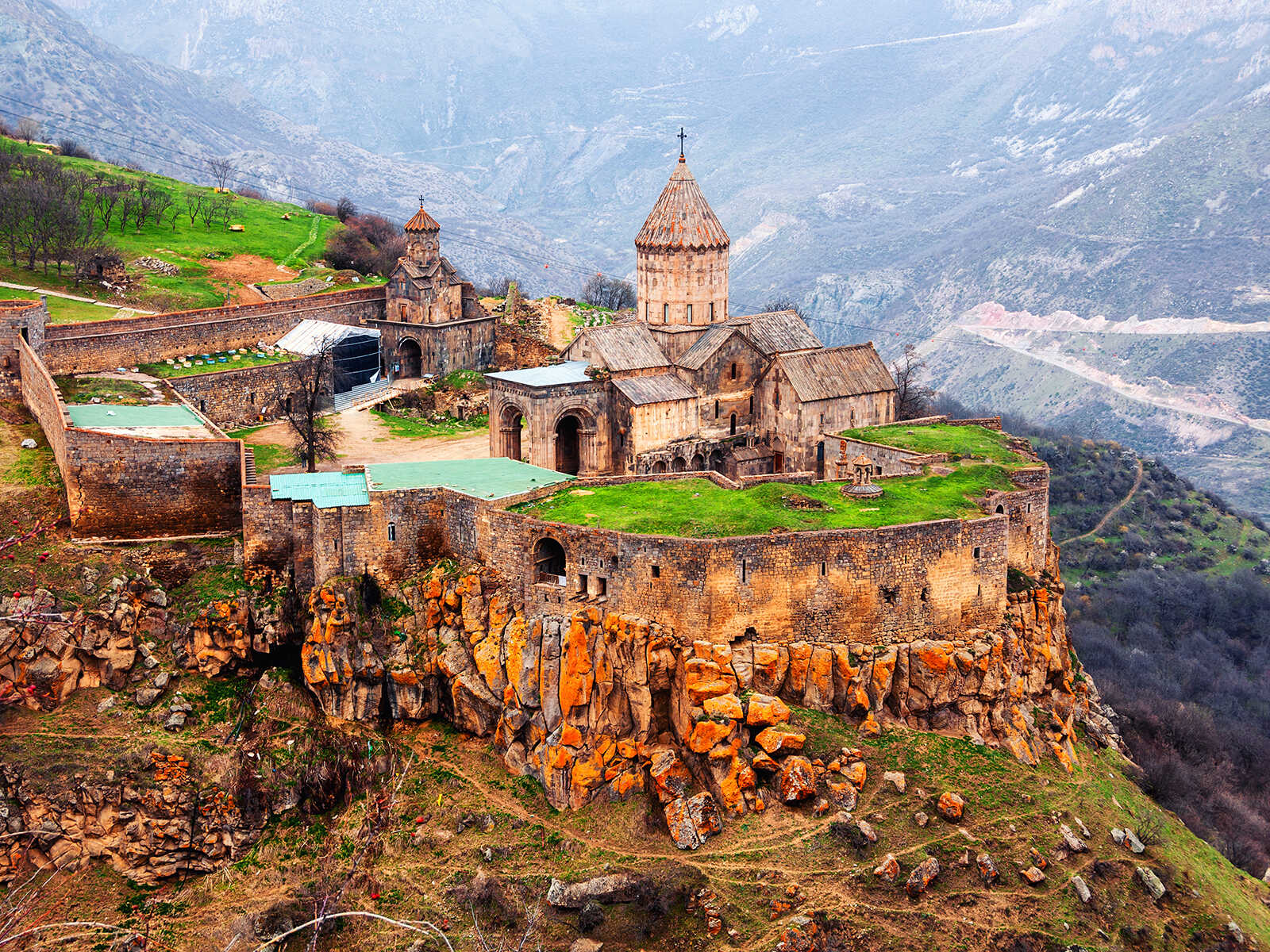
As you traverse Armenia, from the majestic Tatev Monastery perched on cliffs to the ancient stones of Zvartnots Cathedral, remember that a warm cup ofsoorjis never far away. It's an invitation to pause, connect, and truly experience the heartbeat of this captivating country.