
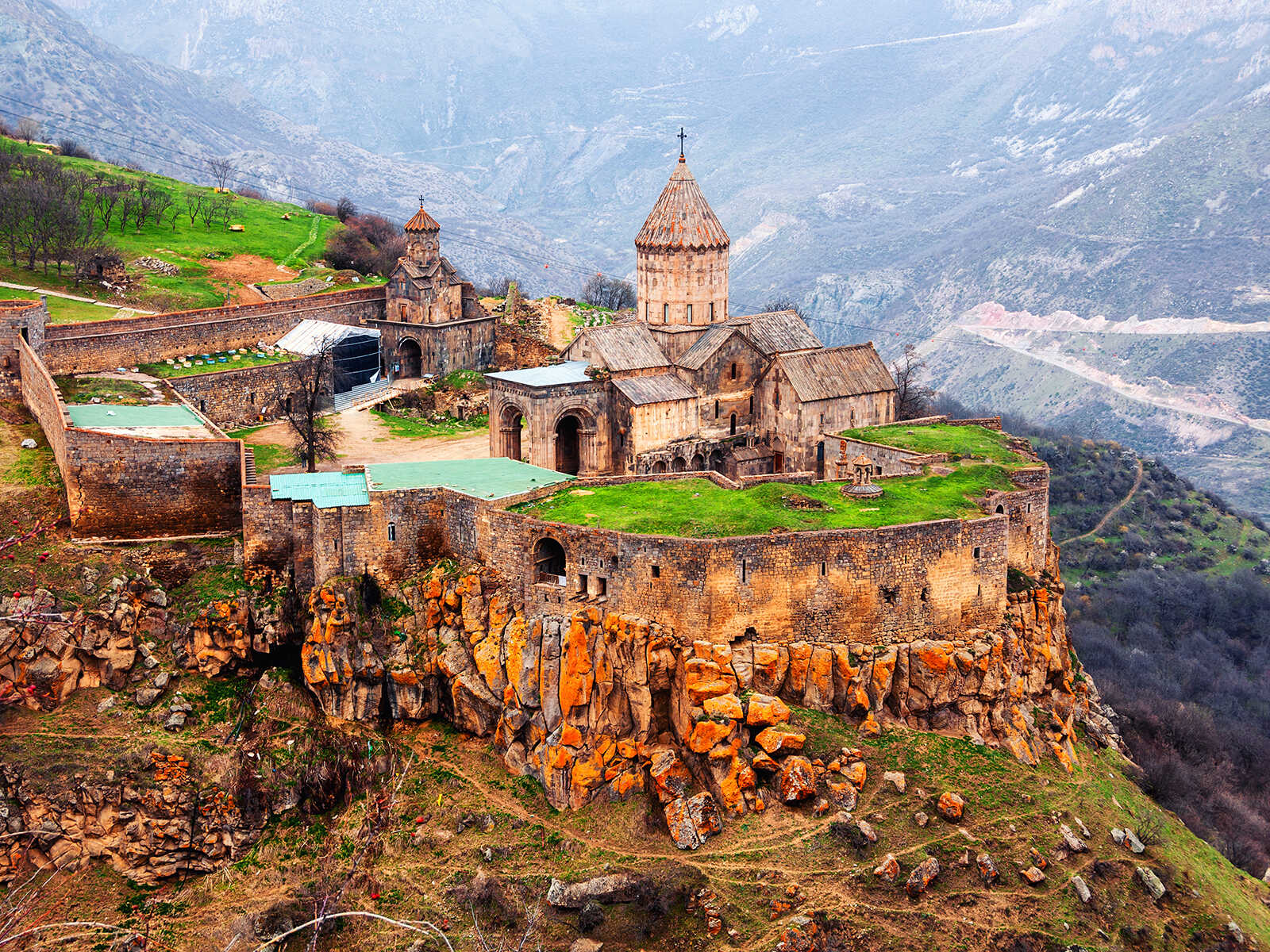
Khor Virap Monastery Guide: History, Legends & Views of Mount Ararat
Perched dramatically against the majestic backdrop of Mount Ararat,Khor Virap Monastery is one of Armenia's most iconic and spiritually significant sites. This ancient monastic complex offers not only breathtaking panoramas but also a profound journey into the heart of Armenian history and the very origins of its Christian faith.
A visit to Khor Virap is more than just sightseeing; it's an immersion into the narrative of a nation that became the first in the world to adopt Christianity as its state religion. Its strategic location, just an hour's drive south of Yerevan, makes it an accessible and essential stop for any traveler exploring Armenia.
A Glimpse into History: The Birthplace of a Nation's Faith
The name "Khor Virap" translates to "deep pit," a reference to the infamous dungeon where St. Gregory the Illuminator was imprisoned for 13 years by King Trdat III of Armenia. This dark chapter in history ironically paved the way for Armenia's spiritual enlightenment.
St. Gregory the Illuminator's Dungeon
The legend of St. Gregory is central to understanding Khor Virap. In the late 3rd century, King Trdat III persecuted Christians. Gregory, a Christian noble, was tortured and then thrown into a deep, snake-infested pit, believed to be the one beneath the monastery's main church today. He miraculously survived for over a decade, sustained by a local Christian woman who secretly brought him food.
Did you know?St. Gregory's survival in the 'deep pit' for 13 years is often attributed to divine intervention, making his story a powerful testament to faith.
Years later, King Trdat III fell gravely ill, suffering from a debilitating mental affliction that turned him into a wild boar-like creature. His sister had a vision that only Gregory, still alive in the pit, could cure him. Reluctantly, Gregory was brought out, and after praying for the king, Trdat III was miraculously healed. This profound event led the king and his entire court to convert to Christianity, making Armenia the world's first nation to adopt Christianity as its state religion in 301 AD.
Armenia's Adoption of Christianity
Following his release and the king's conversion, St. Gregory was consecrated a bishop and became the first Catholicos of Armenia, establishing the Armenian Apostolic Church. The site of his imprisonment became a revered pilgrimage destination, and the first chapel was built over the pit in the 7th century. The larger monastery complex, as seen today, evolved over centuries, with significant additions in the 13th and 17th centuries.
Architectural Marvel: Exploring the Monastery Complex
The current Khor Virap complex is a captivating blend of ancient and medieval Armenian architecture, enclosed within fortified walls that tell tales of resilience and faith.
St. Astvatsatsin Church
The main church within the complex is Surp Astvatsatsin (Holy Mother of God), rebuilt in the 17th century. Its classical Armenian architectural style, characterized by a central dome and intricate stone carvings, offers a serene space for contemplation. Inside, the atmosphere is hushed, often filled with the soft glow of candles and the murmurs of prayers.
The Pit (Khor Virap)
Beneath the chapel of St. Gevorg (St. George), visitors can descend a narrow, steep ladder into the very pit where St. Gregory was held. The descent is an unforgettable experience, albeit one that requires a degree of physical agility and a lack of claustrophobia. The pit is surprisingly deep and confined, emphasizing the harshness of Gregory's ordeal. Standing in this small, subterranean chamber, one can almost feel the weight of history and faith that permeates the air.
The Iconic Views: Mount Ararat
Perhaps the most compelling reason for many to visit Khor Virap is its unparalleled view of Mount Ararat. Rising majestically across the border in modern-day Turkey, Ararat is a potent symbol for Armenians, deeply embedded in their cultural and spiritual identity. It is believed to be the resting place of Noah's Ark after the Great Flood, a biblical connection that further sanctifies its presence.
The monastery's location offers a perfect vantage point to admire both peaks of Ararat—Greater and Lesser Ararat—especially on a clear day. Photographers will find the early morning or late afternoon light to be particularly magical, casting a golden hue over the snow-capped peaks and creating a breathtaking backdrop for the ancient monastery.
Planning Your Unforgettable Visit
Making the most of your trip to Khor Virap requires a bit of planning to ensure a smooth and enriching experience.
Getting There
Khor Virap is easily accessible from Yerevan, approximately an hour's drive south.
- Taxi:The most convenient option, offering flexibility. Negotiate the fare beforehand or use a ride-hailing app.
- Marshrutka (Shared Minibus):A more budget-friendly option. Take a marshrutka from Yerevan's Sasuntsi David bus station towards Artashat or other southern towns, and ask to be dropped off at the Khor Virap turnoff. From there, it's a walk or a short taxi ride to the monastery.
- Organized Tours:Many tour operators in Yerevan offer day trips to Khor Virap, often combining it with other southern attractions like the Areni wine region or Noravank Monastery.
Best Time to Visit
For the clearest views of Mount Ararat, spring (April-May) and autumn (September-October) are ideal, as the weather is pleasant and skies are often clear. Summer can be hot, and winter, while offering stunning snow-covered landscapes, might present colder temperatures and potentially cloudier skies. Early mornings typically offer the best visibility of Ararat before heat haze sets in.
Essential Tips for Visitors
- Dress Code:As a religious site, dress modestly. Shoulders and knees should be covered.
- Footwear:Wear comfortable shoes, especially if you plan to descend into the pit, which has steep, uneven steps.
- Claustrophobia:Be aware that the descent into St. Gregory's pit is narrow and deep; it may not be suitable for those with severe claustrophobia or mobility issues.
- Photography:Bring your camera! The views are spectacular. Consider a wide-angle lens for capturing both the monastery and Ararat.
- Water & Snacks:While there might be vendors nearby, it's always wise to carry your own water, especially during warmer months.
Combining Your Trip with Other Armenian Gems
Khor Virap can be easily integrated into a broader exploration of Armenia's historical and natural wonders. Consider pairing your visit with:
- Noravank Monastery:Another stunning monastic complex nestled in a red rock canyon, often included in southern Armenia tours.
- Areni Wine Region:Famous for its ancient winemaking traditions, offering opportunities for wine tasting.
- Garni Temple & Geghard Monastery:While in a different direction from Yerevan, these sites offer a glimpse into pagan and early Christian architecture, respectively, and are often combined into a single day trip. The Garni Temple is a unique Hellenistic structure, while Geghard is a UNESCO-listed monastery carved largely out of the adjacent mountain.
- Zvartnots Cathedral:An impressive ruin of a 7th-century cathedral near Zvartnots Cathedral, offering a different perspective on Armenia's early Christian architecture.
The Enduring Legacy of Khor Virap
Khor Virap stands as a powerful testament to Armenia's enduring faith and rich history. It is a place where legends come alive, where the spiritual journey of a nation began, and where the magnificent beauty of nature converges with centuries of human devotion. A visit here offers not just stunning photographs but a profound connection to the heart and soul of Armenia.
Whether you're drawn by the historical significance, the religious pilgrimage, or simply the breathtaking views of Mount Ararat, Khor Virap promises an experience that is both inspiring and unforgettable.