
Best Time to Visit Armenia for Every Traveler
Armenia, a land of ancient history, stunning landscapes, and warm hospitality, offers a unique experience regardless of when you choose to visit. While each season paints this Caucasian gem in a different light, the "best" time ultimately depends on your travel style and what you hope to explore.
Armenia's Seasons at a Glance
Armenia experiences distinct seasons, each offering unique opportunities for exploration and enjoyment. Understanding these variations is key to planning your perfect trip.
- Spring (April - May):Mild temperatures, blooming wildflowers, and vibrant greenery. Ideal for hiking and sightseeing.
- Summer (June - August):Hot and sunny, especially in the lowlands. Perfect for lake activities, city exploration, and high-altitude escapes.
- Autumn (September - November):Pleasant, crisp weather with breathtaking fall foliage. Excellent for cultural tours, hiking, and harvest festivals.
- Winter (December - March):Cold and snowy, particularly in mountainous regions. Great for winter sports and cozy cultural experiences.
Spring (April - May): The Awakening
Spring in Armenia is a magical time as the country sheds its winter coat and bursts into life. Temperatures are mild and pleasant, making it ideal for outdoor activities without the intensity of summer heat or winter chill.
Weather and Activities
Average temperatures range from 10°C to 20°C (50°F to 68°F). The landscapes are lush and green, adorned with wildflowers, especially in the valleys and foothills. It's an excellent time for:
- Hiking and Trekking:Explore trails in regions like Dilijan National Park before the summer heat.
- Sightseeing:Visit ancient monasteries and historical sites like Garni Temple and Khor Virap Monastery in comfortable conditions.
- Photography:Capture the vibrant colors of blooming nature and the dramatic landscapes.
Pros and Cons
Pros:Moderate temperatures, fewer crowds than summer, stunning natural beauty, perfect for active exploration.
Cons:Occasional spring showers, some higher mountain roads might still be inaccessible in early April.
Summer (June - August): Vibrant and Sunny
Summer is peak tourist season in Armenia, offering long, sunny days perfect for exploring its diverse offerings. While the lowlands can get quite hot, the higher elevations provide a refreshing escape.
Weather and Activities
Temperatures in Yerevan often reach 30°C to 35°C (86°F to 95°F), but mountainous areas are cooler. This season is perfect for:
- Lake Activities:Head to Lake Sevan, one of the largest high-altitude freshwater lakes in Eurasia, for swimming, sunbathing, and watersports.
- City Exploration:Enjoy the vibrant café culture and evening strolls in Yerevan, visiting sites like the Cascade Complex and numerous museums.
- Festivals:Many cultural festivals and open-air concerts take place during the summer months.
- Historical Sites:Discover architectural marvels such as Zvartnots Cathedral under clear blue skies.
Pros and Cons
Pros:Excellent weather for outdoor and water activities, lively atmosphere, long daylight hours, all attractions are fully accessible.
Cons:Can be very hot in the lowlands, larger crowds at popular sites, accommodation might require booking in advance.
Autumn (September - November): Golden Hues and Harvests
Autumn is arguably one of the most picturesque times to visit Armenia. The intense summer heat subsides, and the landscapes transform into a palette of golden, amber, and crimson hues.
Weather and Activities
Temperatures are pleasant, ranging from 15°C to 25°C (59°F to 77°F) in September, gradually cooling to 5°C to 15°C (41°F to 59°F) by November. This season is ideal for:
- Wine and Harvest Tours:Participate in grape harvesting and wine tasting, especially in the Vayots Dzor region.
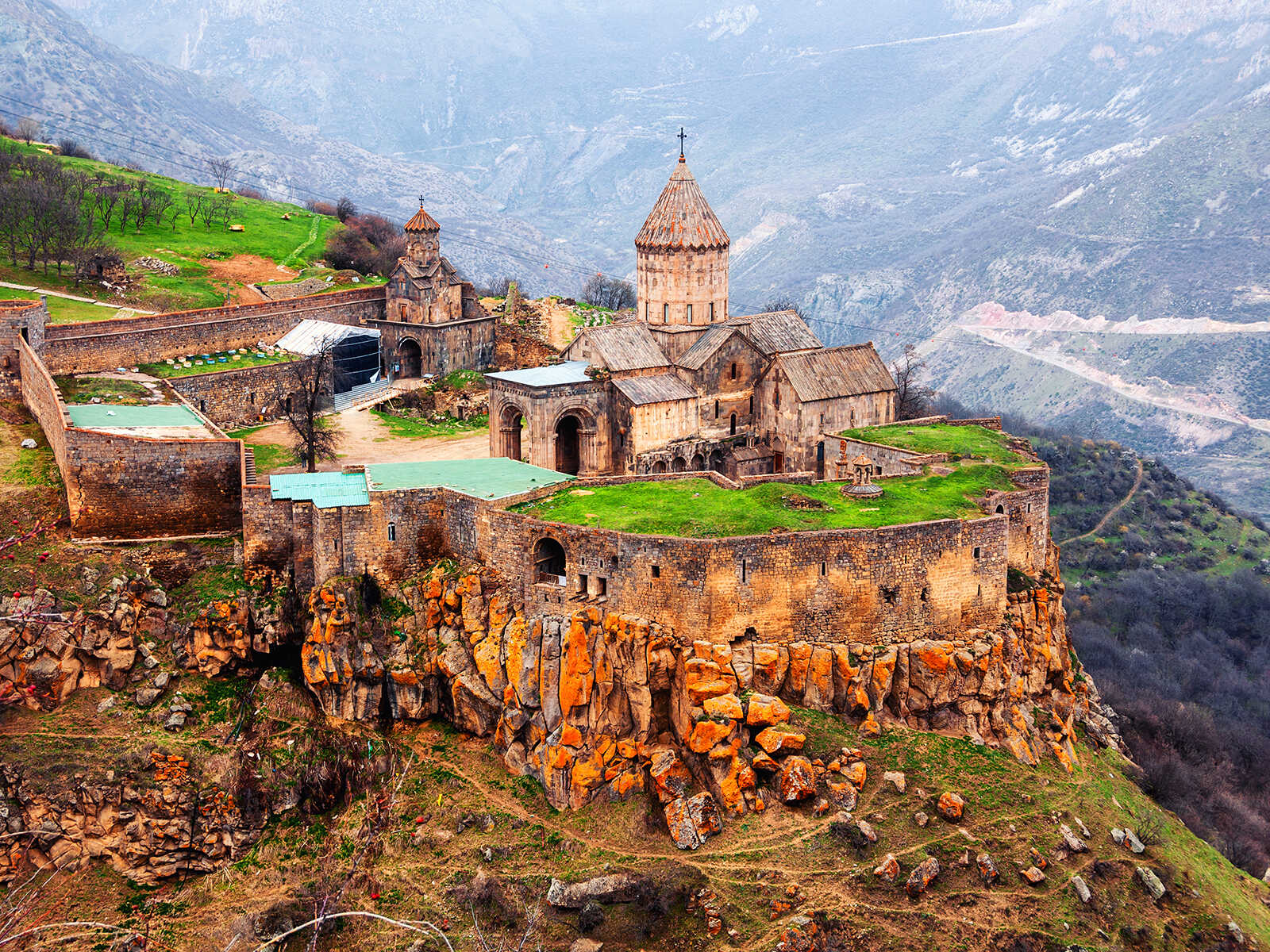
- Scenic Drives:Witness the stunning fall foliage on drives to monasteries like Noravank Monastery and Tatev Monastery(via the "Wings of Tatev" cable car).
- Hiking:Enjoy comfortable hiking conditions in areas like Dilijan National Park or exploring unique sites like Khndzoresk and The Symphony of Stone.
- Cultural Exploration:Continue visiting historical sites with fewer crowds than summer.
Fun Fact:Armenia is one of the world's oldest wine-producing regions, with evidence of winemaking dating back over 6,100 years!
Pros and Cons
Pros:Beautiful fall colors, pleasant weather for all activities, harvest festivals, moderate crowds.
Cons:Days get shorter as the season progresses, some rain is possible in late autumn.
Winter (December - March): A Snowy Wonderland
While often overlooked, winter offers a unique and serene experience in Armenia, especially for those who appreciate snow-capped landscapes and winter sports.
Weather and Activities
Temperatures often drop below freezing, ranging from -5°C to 5°C (23°F to 41°F), with significant snowfall in mountainous areas. Activities include:
- Skiing and Snowboarding:Head to resorts like Tsaghkadzor for excellent slopes.
- Cultural Immersion:Explore museums, galleries, and ancient churches in a tranquil, often snow-covered setting. Many cultural sites, including parts of the Cascade Complex(which houses the Cafesjian Center for the Arts), remain open.
- Cozy Cafes:Enjoy the warmth of Yerevan's bustling cafe scene.
- Unique Sightseeing:Visit the Armenian Alphabet Monument, often stunningly framed by snow.
Pros and Cons
Pros:Winter sports opportunities, fewer tourists, lower travel costs, magical snowy landscapes.
Cons:Very cold temperatures, some roads in high-altitude areas might be closed, limited outdoor hiking options.
Choosing Your Ideal Time: A Traveler's Guide
For Culture & History Buffs
While Armenia's rich history can be explored year-round, theshoulder seasons (April-May and September-October)offer the most comfortable weather for visiting numerous monasteries, churches, and archaeological sites without the summer crowds. Imagine exploring Khor Virap Monastery with Mount Ararat as a backdrop, or the intricate carvings of Noravank Monastery, under pleasant skies.
For Nature & Adventure Seekers
Spring (April-May)andAutumn (September-October)are prime for hiking, trekking, and exploring natural wonders like Dilijan National Park,The Symphony of Stone, and the cave dwellings of Khndzoresk. The milder temperatures and vibrant scenery are perfect for outdoor activities.Summer (June-August)is best for water activities at Lake Sevan and higher-altitude treks.
For Food & Wine Enthusiasts
Autumn (September-November)is the undisputed champion for culinary travelers. It's harvest season, meaning fresh fruits, vegetables, and the opportunity to participate in grape pressing and wine tours. Many local festivals celebrate the bounty of the land during this time.
For Budget Travelers & Avoiding Crowds
Theshoulder seasons (April-May and September-early October)generally offer better value for flights and accommodation compared to peak summer.Winter (December-March)is typically the least expensive time to visit, especially outside of holiday periods, and you'll encounter the fewest tourists at major attractions.
Key Considerations for Your Trip
- Public Holidays:Be aware of national holidays (e.g., Easter, New Year) when some businesses might be closed or public transport schedules altered.
- Regional Variations:Armenia's diverse topography means weather can vary significantly. While Yerevan might be warm, mountainous regions can be much cooler. Always check local forecasts for your specific destinations.
- Altitude:Many popular sites are at higher altitudes. Factor this into your planning, especially if you're sensitive to elevation.
Conclusion
Armenia is a captivating destination that truly offers something for everyone, no matter the season. Whether you dream of vibrant spring blooms, sunny summer days by Lake Sevan, golden autumn landscapes, or a serene winter wonderland, planning your visit around your interests will ensure an unforgettable journey. Embrace the unique charm of each season and discover your perfect time to explore this ancient land.