
Armenian Wine Region Guide: Exploring the Cradle of Wine
Nestled in the Caucasus Mountains, Armenia boasts a winemaking tradition that predates written history, often cited as the world's oldest wine-producing region. A journey through its vineyards is not just a tasting experience, but a deep dive into a vibrant cultural legacy that continues to evolve with remarkable indigenous varietals and breathtaking landscapes.
A Legacy Etched in Time: Armenia's Ancient Wine Roots
The story of Armenian wine stretches back over 6,100 years, a claim substantiated by the discovery of the Areni-1 cave complex in Vayots Dzor. Archaeologists unearthed the world's oldest known winery here, complete with fermentation vats, a wine press, storage jars, and even grape seeds from the ancientVitis viniferaspecies. This remarkable find solidified Armenia's position as the cradle of viticulture, offering a tangible link to millennia of winemaking expertise.
For centuries, wine was integral to Armenian life, playing a significant role in religious ceremonies, daily sustenance, and cultural celebrations. Despite periods of hardship and Soviet-era focus on brandy production, a passionate revival has taken root, bringing ancient traditions together with modern techniques to produce world-class wines that are gaining international recognition.
Key Wine Regions and Terroirs
Armenia's diverse geography, from high-altitude plateaus to fertile valleys, creates unique microclimates ideal for viticulture. Each region offers a distinct character to its wines.
Vayots Dzor: The Heart of Armenian Wine
Often considered the spiritual home of Armenian wine, Vayots Dzor is a rugged, mountainous region where the Areni-1 cave winery was discovered. Vineyards here are planted at elevations ranging from 1,000 to 1,600 meters above sea level, benefiting from volcanic soils, extreme diurnal temperature variations, and abundant sunshine. The flagship grape,Areni Noir, thrives in these conditions, producing elegant, age-worthy red wines with notes of cherry, raspberry, and often a hint of spice. While exploring the wineries, consider a visit to the stunning Noravank Monastery, a 13th-century architectural marvel carved into a dramatic canyon.
Ararat Valley: A Breadbasket for Grapes
Surrounding the capital city of Yerevan and stretching towards the iconic Mount Ararat, the Ararat Valley is one of Armenia's warmest and most fertile regions. While historically known for its brandy production, the valley also cultivates a variety of grapes for wine, including the whiteKangunandVoskehat, and redHaghtanak. Its lower elevation and warmer climate result in richer, fruit-forward wines. A trip here can easily be combined with a visit to Khor Virap Monastery, offering unparalleled views of Mount Ararat.
Armavir & Aragatsotn: Diverse Offerings
Located to the west of Yerevan, the Armavir and Aragatsotn provinces offer diverse terroirs. Armavir is known for its extensive vineyards, producing both table grapes and wine grapes, including significant quantities of Kangun. Aragatsotn, stretching up the slopes of Mount Aragats, features higher elevation vineyards and cooler climates, suitable for lighter, aromatic whites and elegant reds. This region is home to both traditional and experimental wineries. Nearby cultural sites include the ruins of Zvartnots Cathedral and the striking Armenian Alphabet Monument.
Indigenous Grape Varietals to Discover
Armenia is a treasure trove of indigenous grape varietals, many of which are unique to the region. Exploring these grapes offers a truly distinct wine experience.
- Areni Noir (Red):The undisputed king of Armenian grapes, flourishing in Vayots Dzor. It produces medium-bodied, complex reds with bright acidity, red fruit flavors, and often a savory, earthy undertone.
- Voskehat (White):Meaning "golden seed," Voskehat is Armenia's most prized white grape. It yields elegant, aromatic wines with notes of white peach, citrus, and floral hints, often with a mineral finish.
- Kangun (White):A versatile grape, Kangun means "stable" or "sustainable." It produces crisp, refreshing white wines, often used for sparkling wines or blended with Voskehat.
- Haghtanak (Red):Meaning "victory," this grape is a cross between Saperavi and a local varietal. It produces robust, full-bodied reds with dark fruit flavors and firm tannins, often aged in oak.
- Garandmak (White):Another ancient white varietal, known for producing full-bodied, textural wines with notes of stone fruit and a characteristic salinity.
"Armenian wine is more than just a beverage; it's a living artifact, a sip of history in every glass."
Planning Your Armenian Wine Journey
Embarking on a wine tour in Armenia promises a blend of sensory delight and cultural immersion.
When to Visit
The best time for a wine trip is generally during thelate spring to early autumn (May to October). September and October offer the excitement of the harvest season, often with festivals and special events at wineries. The weather during these months is also ideal for exploring the vineyards and other outdoor attractions.
Getting Around
While some wineries are accessible via public transport from Yerevan, for a comprehensive and flexible wine tour, consider hiring a private driver, joining an organized tour, or renting a car. Many tours depart from Yerevan, a city rich in its own attractions, such as the Cascade Complex.
Where to Stay
Yerevan makes an excellent base for day trips to many wine regions. For a more immersive experience, consider staying in guesthouses or boutique hotels within the wine regions themselves, particularly in Vayots Dzor, where you can wake up surrounded by vineyards.
Winery Experiences
Most Armenian wineries offer guided tours, cellar visits, and tasting sessions. Many also feature on-site restaurants serving traditional Armenian cuisine, perfectly paired with their wines. Booking in advance, especially for smaller, family-run establishments, is highly recommended.
Beyond the Vineyards: Cultural Connections
A wine tour in Armenia seamlessly integrates with its rich historical and natural wonders. Combine your tastings with visits to:
- The pagan Garni Temple and the basalt columns of The Symphony of Stone in Kotayk Province.
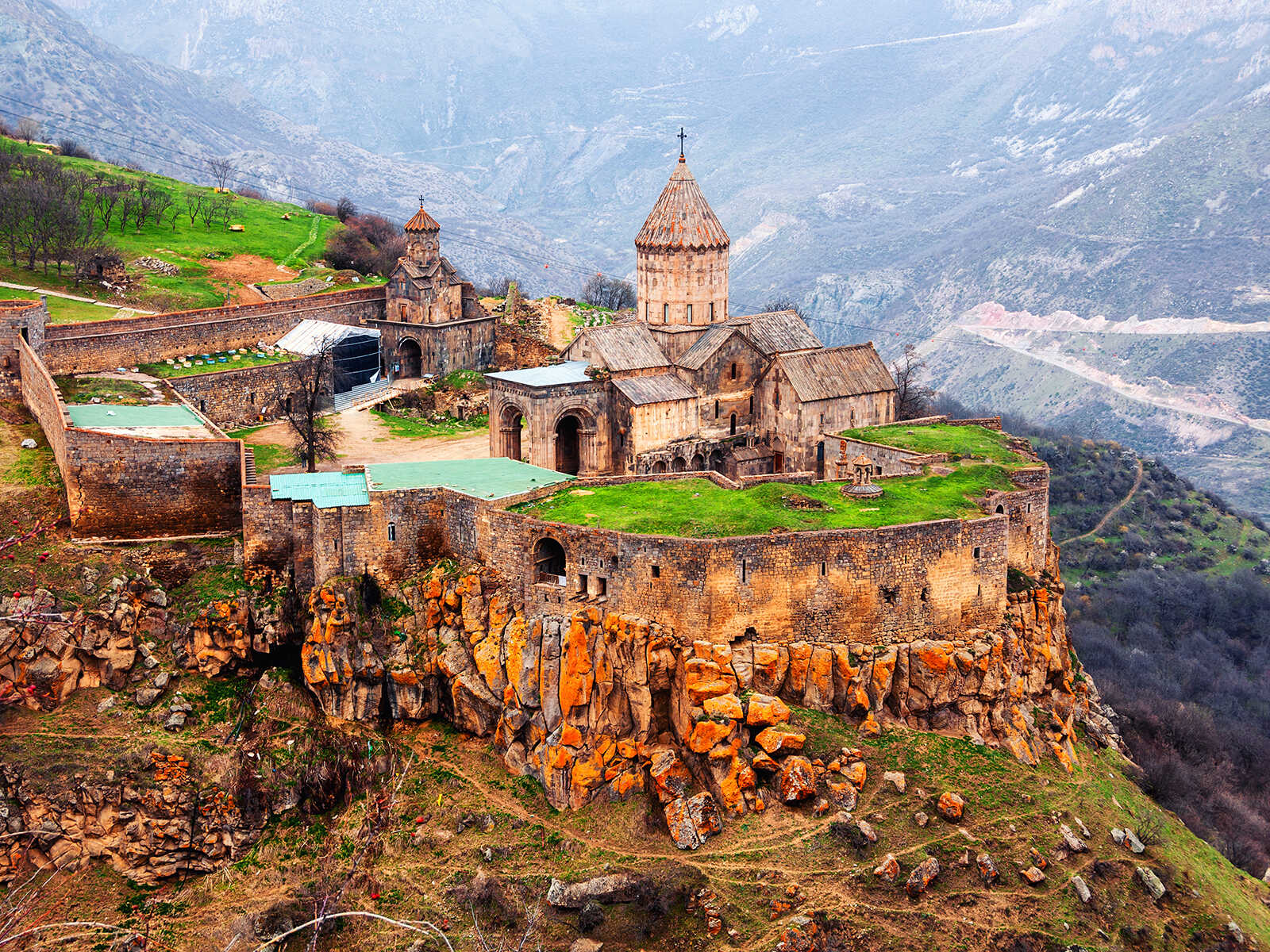
- The majestic Tatev Monastery, accessible by the world's longest reversible aerial tramway, for those venturing further south.
- The lush landscapes of Dilijan National Park, known as "Armenian Switzerland," for a refreshing change of scenery.
- The serene blue waters of Lake Sevan, a perfect spot to relax and enjoy fresh fish after a day of wine tasting.
Pairing Armenian wines with the country's delectable cuisine—think khorovats (BBQ), dolma, and fresh lavash—is an essential part of the experience, highlighting the deep connection between food and wine in Armenian culture.
Sustainable Winemaking and Future Trends
Armenian winemakers are increasingly focusing on sustainable practices, embracing organic viticulture, and reviving ancient winemaking techniques, such as fermentation in traditional clay amphorae calledkaras. This blend of ancient wisdom and modern innovation is positioning Armenia as an exciting and unique player on the global wine stage, promising a future as rich and flavorful as its past.
Exploring the Armenian wine region is an unforgettable journey into the heart of an ancient tradition, offering exceptional wines, unparalleled history, and the warm hospitality of its people. Discover the unique flavors of the cradle of wine and create memories that will last a lifetime.