
Zimbabwe Safari Seasons: When to Go for the Best Wildlife Viewing
Planning a safari to Zimbabwe is an exciting prospect, and choosing the right time of year is crucial for maximizing your wildlife encounters. Zimbabwe's distinct dry and wet seasons each offer unique advantages and experiences, catering to different preferences and priorities for your adventure.
Understanding Zimbabwe's Climate and Safari Seasons
Zimbabwe experiences a tropical climate, characterized by two primary seasons: the dry season and the wet season. These climatic shifts profoundly influence the landscape, vegetation, and animal behavior, directly impacting the quality and type of wildlife viewing you can expect.
- The Dry Season (Winter):Generally runs from May to October. This period is marked by cooler, dry weather and dwindling water sources, concentrating wildlife.
- The Wet Season (Summer):Typically extends from November to April. Characterized by warm, humid conditions and seasonal rains, leading to lush landscapes and dispersed wildlife.
The Dry Season: June to October (Peak Safari Season)
Often considered the prime time for traditional wildlife safaris, the dry season offers unparalleled opportunities for spotting animals.
Wildlife Viewing During the Dry Season
As the landscape dries out and vegetation thins, wildlife congregates around permanent water sources. This makes animals easier to locate and observe, particularly at waterholes, rivers, and pans. Large herds of elephants, buffalo, and various antelope species are common sights, often attracting predators like lions and leopards.
Parks like Hwange National Park, with its extensive network of pumped waterholes, become a magnet for thirsty wildlife. Similarly,Mana Pools National Park, renowned for its walking safaris, offers incredible close-up encounters as animals frequent the Zambezi River and its floodplains.
Weather Conditions in the Dry Season
Expect clear, sunny days with comfortable temperatures, typically ranging from 20-30°C (68-86°F). Nights and early mornings can be surprisingly chilly, especially in June and July, often dropping to single digits. Rainfall is minimal to non-existent.
Advantages of a Dry Season Safari
- Optimal Wildlife Viewing:Animals are concentrated and easier to spot due to sparse vegetation.
- Comfortable Weather:Mostly sunny, dry days with low humidity.
- Fewer Mosquitoes:The drier conditions mean fewer breeding grounds for mosquitoes, reducing malaria risk (though prophylaxis is still recommended).
- Accessible Roads:Most roads are in good condition, allowing access to remote areas.
Disadvantages of a Dry Season Safari
- Higher Prices:This is peak season, so accommodation and safari costs are generally at their highest.
- More Tourists:Popular parks and lodges can be crowded.
- Dusty Conditions:The dry landscape can become very dusty, especially on game drives.
Safari Tip:Due to high demand during the dry season, especially for popular parks like Mana Pools National Park and Hwange National Park, it's advisable to book your safari accommodation and activities at least 6-12 months in advance to secure your preferred dates and lodges.
The Wet Season: November to May (Green Season / Low Season)
The wet season, also known as the "Green Season," transforms Zimbabwe's landscapes into a lush paradise and offers a different, yet equally rewarding, safari experience.
Wildlife Viewing During the Wet Season
With the arrival of rains, water sources become abundant, and wildlife disperses across the now-green landscape. While animals might be harder to spot due to denser vegetation, this season brings its own spectacles. It's the time for newborn animals, offering heartwarming scenes of young impala, wildebeest, and zebra. The vibrant new growth also attracts a magnificent array of migratory birds, making it a birdwatcher's paradise.
Predators often follow the herds, and the chance to witness a kill amidst the green backdrop is a raw and powerful experience.Matobo National Park, known for its rhino tracking and dramatic granite landscapes, is particularly beautiful in the wet season, with lush vegetation contrasting against the ancient rock formations.
Weather Conditions in the Wet Season
The wet season is characterized by warm to hot temperatures, often exceeding 30°C (86°F), accompanied by higher humidity. Rainfall typically occurs in the form of dramatic afternoon thunderstorms, which often clear to reveal stunning sunsets. Some days may be overcast, while others are bright and sunny.
Advantages of a Wet Season Safari
- Lush Landscapes:The scenery is vibrant green and beautiful, perfect for photography.
- Birdwatching Paradise:Migratory birds arrive in huge numbers, creating an incredible avian spectacle.
- Newborn Animals:Witness the tender scenes of young animals taking their first steps.
- Lower Prices:As it's the low season, prices for accommodation and safaris are generally more affordable.
- Fewer Crowds:Enjoy a more exclusive safari experience with fewer tourists.
- Dramatic Skies:Afternoon thunderstorms create spectacular photographic opportunities with dramatic cloud formations and vivid sunsets.
Fun Fact:During the wet season, Zimbabwe becomes a hotspot for over 600 bird species, including many intra-African and Palaearctic migrants, making it one of Africa's top birding destinations.
Disadvantages of a Wet Season Safari
- Rain Can Disrupt Activities:Heavy downpours can occasionally lead to delays or cancellations of game drives.
- Denser Vegetation:While beautiful, the lush foliage can make spotting wildlife more challenging.
- More Mosquitoes:The increased rainfall creates more breeding grounds for mosquitoes, requiring diligent use of repellents and malaria prophylaxis.
- Inaccessible Roads:Some remote dirt roads can become muddy and impassable, limiting access to certain areas.
Shoulder Seasons: May & November
These transitional months offer a unique blend of both seasons and can be excellent times to visit for those seeking a balance.
- May:The tail end of the wet season, with lingering greenery but decreasing rainfall. Animals begin to concentrate, and prices are often lower than peak season.
- November:The start of the wet season, with the first rains transforming the dry landscape. While it can be hot and humid, the arrival of migratory birds and the anticipation of new life make it an exciting time.
Beyond Wildlife: Combining Your Safari with Other Experiences
While wildlife is a primary draw, Zimbabwe offers diverse attractions that can enhance your safari experience, regardless of the season.
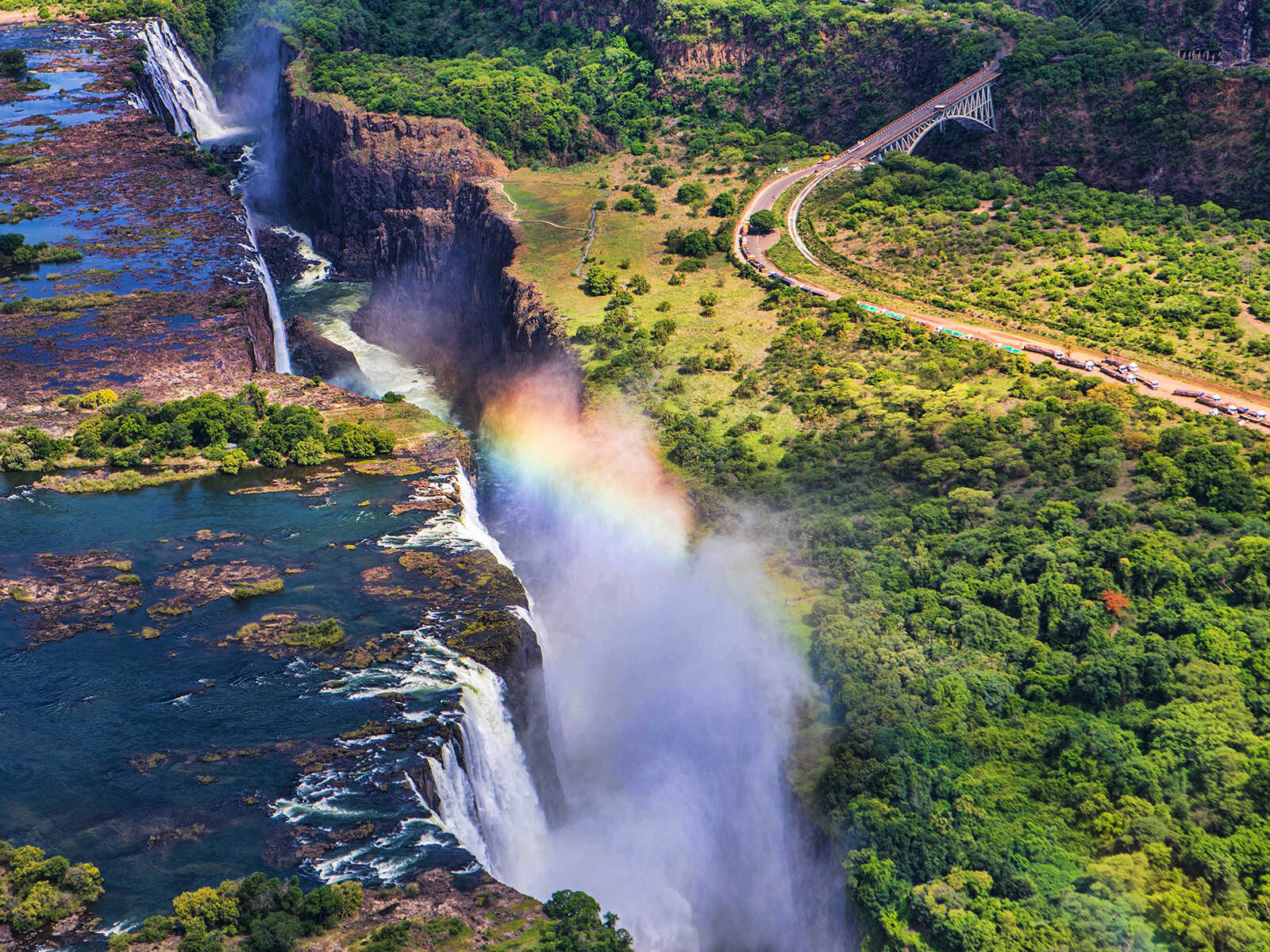
- Victoria Falls:A year-round spectacle, though its water levels vary dramatically. Peak flow is typically from April to June, while lower levels from September to November allow for activities like Devil's Pool.
- Cultural and Historical Sites:Explore the ancient ruins of Great Zimbabwe, a UNESCO World Heritage site, which can be visited comfortably in any season.
- Adventure Activities:Discover the mysterious depths of Chinhoyi Caves, a national monument offering fascinating underground exploration.
Making Your Decision: Key Factors to Consider
The "best" time for a Zimbabwe safari ultimately depends on your personal preferences and priorities:
- Primary Focus:If seeing large numbers of animals and predators is your top priority, thedry seasonis ideal. If you value lush landscapes, birdlife, newborn animals, and fewer crowds, thewet seasonmight be a better fit.
- Budget:Thewet seasonoffers better value and lower prices.
- Photography:Thewet seasonprovides incredible opportunities for landscape and bird photography, while thedry seasonis excellent for action shots at waterholes.
- Specific Activities:Some activities, like walking safaris in Mana Pools National Park, are best undertaken in the dry season. Rhino tracking in Matobo National Park is good year-round.
- Flexibility:If you have flexibility, theshoulder seasonscan offer a fantastic balance of good wildlife viewing and fewer crowds at more moderate prices.
Zimbabwe's safari seasons each offer a distinct and captivating experience. Whether you prefer the concentrated drama of the dry season or the vibrant rebirth of the wet season, understanding these dynamics will help you plan an unforgettable journey to this incredible wildlife destination. Consult with a safari expert who can provide tailored advice based on your interests and budget.