
Responsible Tourism in Zimbabwe: Supporting Local Communities
Zimbabwe, a land of breathtaking landscapes and vibrant cultures, offers unforgettable travel experiences. By embracing responsible tourism, visitors can ensure their adventures not only create lasting memories but also directly benefit the local communities and contribute to the nation's sustainable development.
Why Responsible Tourism Matters in Zimbabwe
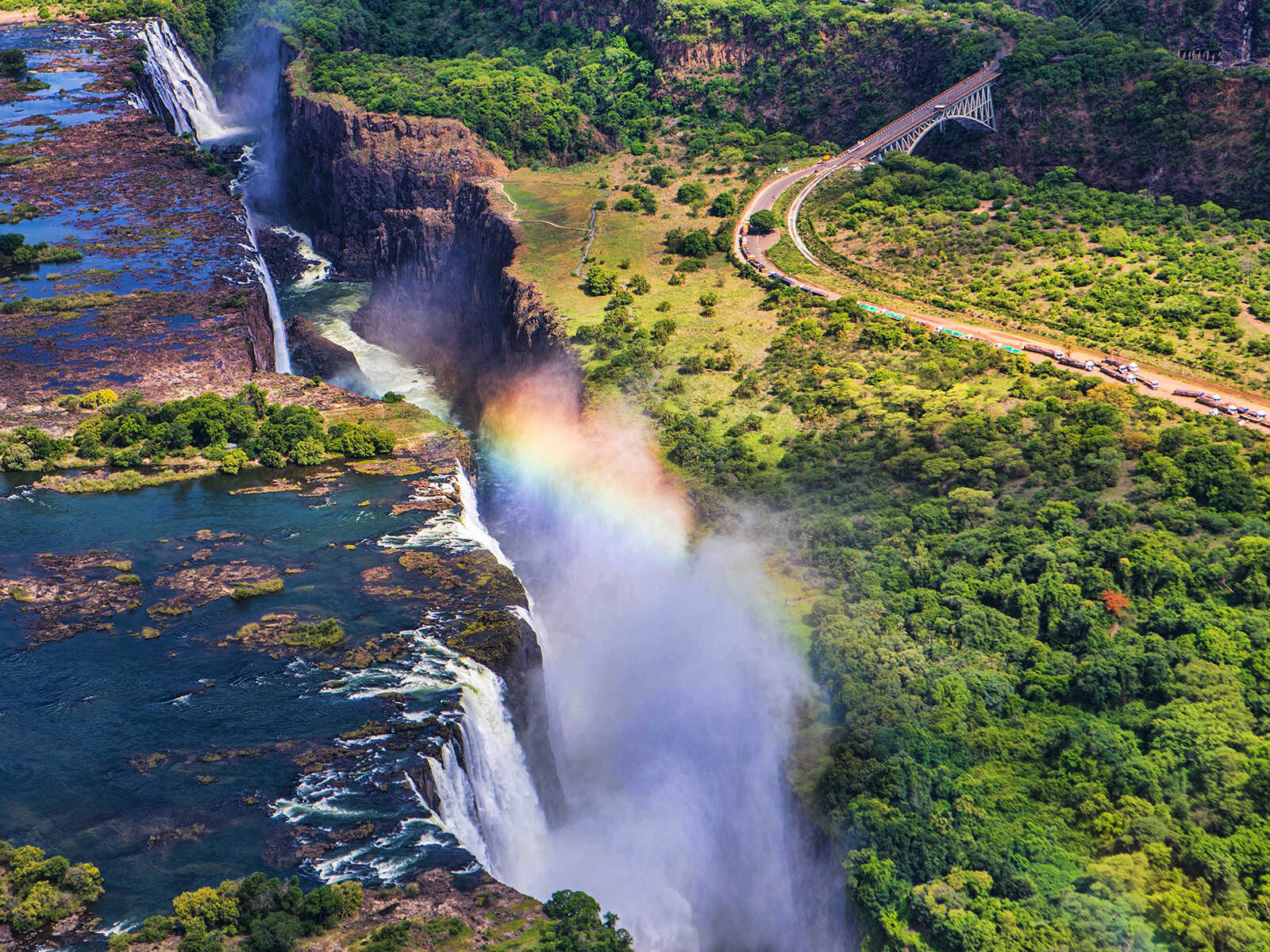
Zimbabwe's rich natural heritage, from the majestic Victoria Falls to diverse national parks like Hwange National Park and Mana Pools National Park, relies heavily on tourism for conservation funding. Simultaneously, many rural communities depend on economic opportunities generated by visitors. Responsible tourism bridges this gap, ensuring that the benefits of your journey extend beyond personal enjoyment to empower local people and protect the environment for future generations. It's about fostering a symbiotic relationship where travelers gain authentic experiences, and communities gain sustainable livelihoods and a greater incentive to preserve their cultural and natural assets.
Understanding Responsible Tourism in the Zimbabwean Context
Responsible tourism is more than just eco-tourism; it encompasses a holistic approach to travel that prioritizes positive social, economic, and environmental impacts. In Zimbabwe, this means recognizing the country's unique challenges and opportunities. It's about conscious choices that respect local customs, support local economies, and minimize ecological footprints, ensuring that your presence leaves a positive mark.
"Responsible tourism isn't just a trend; it's a commitment to ensuring that every journey contributes positively to the places we visit, especially in developing nations like Zimbabwe where local communities are intrinsically linked to the tourism landscape."
Practical Ways to Be a Responsible Tourist in Zimbabwe
Making responsible choices during your trip to Zimbabwe is easier than you might think. Here are actionable steps to ensure your visit genuinely supports local communities and protects the environment:
Choose Local Tour Operators and Guides
Opting for locally owned and operated tour companies and guides ensures that your money remains within the Zimbabwean economy, directly supporting local families and businesses. These operators often possess invaluable local knowledge, offering more authentic and immersive experiences, whether you're exploring the ancient ruins of Great Zimbabwe or embarking on a safari.
- Direct Employment:Your choice directly creates jobs for guides, drivers, cooks, and other staff.
- Local Expertise:Local guides offer unique insights into culture, history, and wildlife, enhancing your experience.
- Community Reinvestment:Local businesses are more likely to reinvest profits back into their communities.
Support Community-Based Tourism Initiatives
Seek out opportunities to engage directly with communities. Many villages and rural areas offer cultural tours, homestays, or craft workshops, providing a direct income stream to residents. Exploring areas around Matobo National Park, for instance, offers chances to visit Ndebele homesteads, learn about their traditions, and witness vibrant rock art.
These initiatives not only provide economic benefits but also foster cultural exchange and understanding, allowing visitors to gain a deeper appreciation for Zimbabwean life.
Buy Local Crafts and Products
When shopping for souvenirs, prioritize items handmade by local artisans. Look for craft markets, community cooperatives, or small independent shops. This supports traditional skills and provides a vital income source for craftspeople. Always try to purchase directly from the maker if possible, and be mindful of haggling respectfully.
- Authenticity:Locally made items often reflect the rich artistic heritage of Zimbabwe.
- Direct Benefit:Ensures money goes directly to the artisan.
- Fair Trade:Look for indicators of fair trade practices where available.
Respect Local Culture and Traditions
Cultural sensitivity is paramount. Learn a few basic Shona or Ndebele phrases (like "Mhoro" for hello), ask permission before taking photos of people, and dress modestly, especially when visiting rural areas or religious sites. Understanding and respecting local customs enriches your travel experience and demonstrates genuine appreciation for the host community.
For example, when visiting historical sites like Great Zimbabwe, be mindful of the sacred significance these places hold for the local people.
Minimize Your Environmental Impact
Zimbabwe's pristine natural environments are its greatest asset. Help preserve them by practicing responsible environmental habits:
- Reduce Waste:Carry a reusable water bottle, avoid single-use plastics, and dispose of rubbish properly.
- Conserve Resources:Be mindful of water and electricity usage, particularly in areas where resources are scarce.
- Wildlife Etiquette:Maintain a respectful distance from wildlife, never feed animals, and always follow your guide's instructions in national parks like Mana Pools National Park or Hwange National Park.
- Support Conservation:Choose accommodations and operators with strong environmental policies.
Contribute to Conservation and Community Projects
Consider supporting reputable local NGOs or community projects through donations or even volunteering your time. Many organizations in Zimbabwe are dedicated to wildlife conservation, education, healthcare, or sustainable development. A quick search can reveal projects near popular destinations or lesser-known gems like Chinhoyi Caves, where local efforts might focus on preserving natural wonders and supporting nearby communities. Ensure you research organizations thoroughly to guarantee their legitimacy and impact.
The Tangible Benefits for Zimbabwean Communities
Your responsible travel choices have a profound and lasting impact:
- Economic Empowerment:Direct financial support translates into improved livelihoods, enabling families to afford education, healthcare, and better living conditions.
- Job Creation:Tourism provides diverse employment opportunities, from hospitality staff to artisans and conservation rangers.
- Infrastructure Development:Increased tourism revenue can fund vital community infrastructure, such as schools, clinics, and clean water initiatives.
- Cultural Preservation:When local culture is valued and showcased through tourism, it encourages communities to preserve their traditions, arts, and heritage.
- Wildlife and Environmental Protection:Communities that benefit from tourism are more likely to support conservation efforts, understanding the direct link between a healthy environment and their economic well-being. This is particularly crucial for iconic wildlife populations in parks like Hwange National Park.
Moving Forward: Challenges and Considerations
While responsible tourism offers immense potential, it's not without its challenges. Ensuring that benefits genuinely reach the grassroots level and avoiding "greenwashing" – where businesses misleadingly market themselves as sustainable – requires diligent research from travelers. Seek out accommodations and operators that are transparent about their community engagement and environmental practices. The Zimbabwean government and various non-governmental organizations are also working to establish frameworks that promote sustainable tourism development and protect both the environment and local populations.
Embrace Responsible Travel in Zimbabwe
Zimbabwe offers an incredible tapestry of experiences, from its majestic wildlife to its rich history and warm, welcoming people. By choosing to travel responsibly, you're not just embarking on a journey; you're becoming an active participant in the sustainable development of this beautiful nation. Your conscious decisions empower local communities, protect precious ecosystems, and ensure that the magic of Zimbabwe endures for generations to come. Plan your trip with purpose, and discover the profound rewards of responsible exploration.