
Most Photogenic Safari Spots in Zimbabwe for Epic Travel Photos
Zimbabwe, a land of dramatic landscapes and abundant wildlife, offers photographers an unparalleled canvas for capturing breathtaking safari moments. From vast national parks teeming with iconic species to unique geological formations, this Southern African gem promises a portfolio of truly epic travel photos. Discover the most photogenic safari spots where every frame tells a story.
Hwange National Park: Elephant Country and Vast Panoramas
As Zimbabwe's largest national park,Hwange National Park is an undisputed titan for safari photography, particularly renowned for its colossal elephant herds. The park’s diverse ecosystems, ranging from teak forests to vast Kalahari sands, create a varied backdrop for your shots. During the dry season (May to October), waterholes become vibrant hubs of activity, offering incredible opportunities to capture elephants, buffalo, giraffe, and a myriad of antelope species congregating to drink.
The sheer scale of Hwange means you can often find yourself with uninterrupted views of wildlife against immense, open landscapes. Sunrises and sunsets here paint the sky in fiery hues, backlighting silhouetted acacia trees and grazing animals for truly iconic safari scenes. Keep an eye out for predators like lions and leopards, often found near these water sources, providing intense action shots.
Mana Pools National Park: Riverine Wilderness and Walking Safaris
A UNESCO World Heritage Site,Mana Pools National Park offers a unique and intimate safari experience, making it exceptionally photogenic. Its name, "Mana," means "four" in Shona, referring to the four large permanent pools formed by ancient meanders of the Zambezi River. This riverine ecosystem is a magnet for wildlife, attracting large concentrations of elephants, buffalo, zebras, and various antelope.
What sets Mana Pools apart for photographers is the opportunity for guided walking safaris. Imagine capturing an elephant grazing peacefully, up close and personal (with expert guidance, of course), against the stunning backdrop of ancient albida trees and the wide Zambezi River. The light filtering through the tree canopies creates beautiful dappled effects, perfect for artistic compositions. Hippos and crocodiles are also abundant, offering their own unique photographic challenges and rewards.
Photography Tip:For unique perspectives in Mana Pools, consider a low-angle shot of an elephant feeding on albida pods. Their ability to stand on their hind legs to reach higher branches is a rare and spectacular sight to capture.
Matobo National Park: Granite Domes and Rhino Encounters
For a dramatically different photographic landscape, head to Matobo National Park, another UNESCO World Heritage Site. This park is defined by its extraordinary granite kopjes (domes and boulders) that have been sculpted by millions of years of erosion. These geological formations provide a surreal and ancient backdrop for wildlife photography, especially for the park's healthy population of both black and white rhinos.
Tracking rhinos on foot in Matobo offers an incredibly powerful and humbling photographic experience. Beyond the rhinos, the park is a haven for raptors, including the majestic Verreaux's eagle, often seen soaring above the kopjes. The contrast of the dark, weathered rock formations against the sky, often dotted with ancient San rock art, provides endless compositional possibilities. Early mornings and late afternoons here bathe the landscape in warm, golden light, enhancing the textures and colours of the granite.
Gonarezhou National Park: The Place of Elephants and Red Cliffs
Often referred to as Zimbabwe's "secret gem," Gonarezhou National Park offers a wild, untamed beauty that is incredibly rewarding for the adventurous photographer. Located in the southeastern lowveld, this remote park is characterized by its vast wilderness, impressive baobab trees, and the iconic Chilojo Cliffs. These towering red sandstone cliffs, carved by the Runde River, provide a spectacular, almost otherworldly backdrop for photos, especially at sunrise or sunset.
Gonarezhou, meaning "Place of Elephants," lives up to its name with significant elephant populations, as well as buffalo, giraffe, zebra, and various antelope. The park's rugged terrain and dense bush mean wildlife encounters can be more challenging but incredibly rewarding when they happen. The remoteness ensures a sense of exclusivity, allowing photographers to capture pristine wilderness scenes without crowds.
Victoria Falls: The Smoke That Thunders (A Photo Opportunity Beyond Safari)
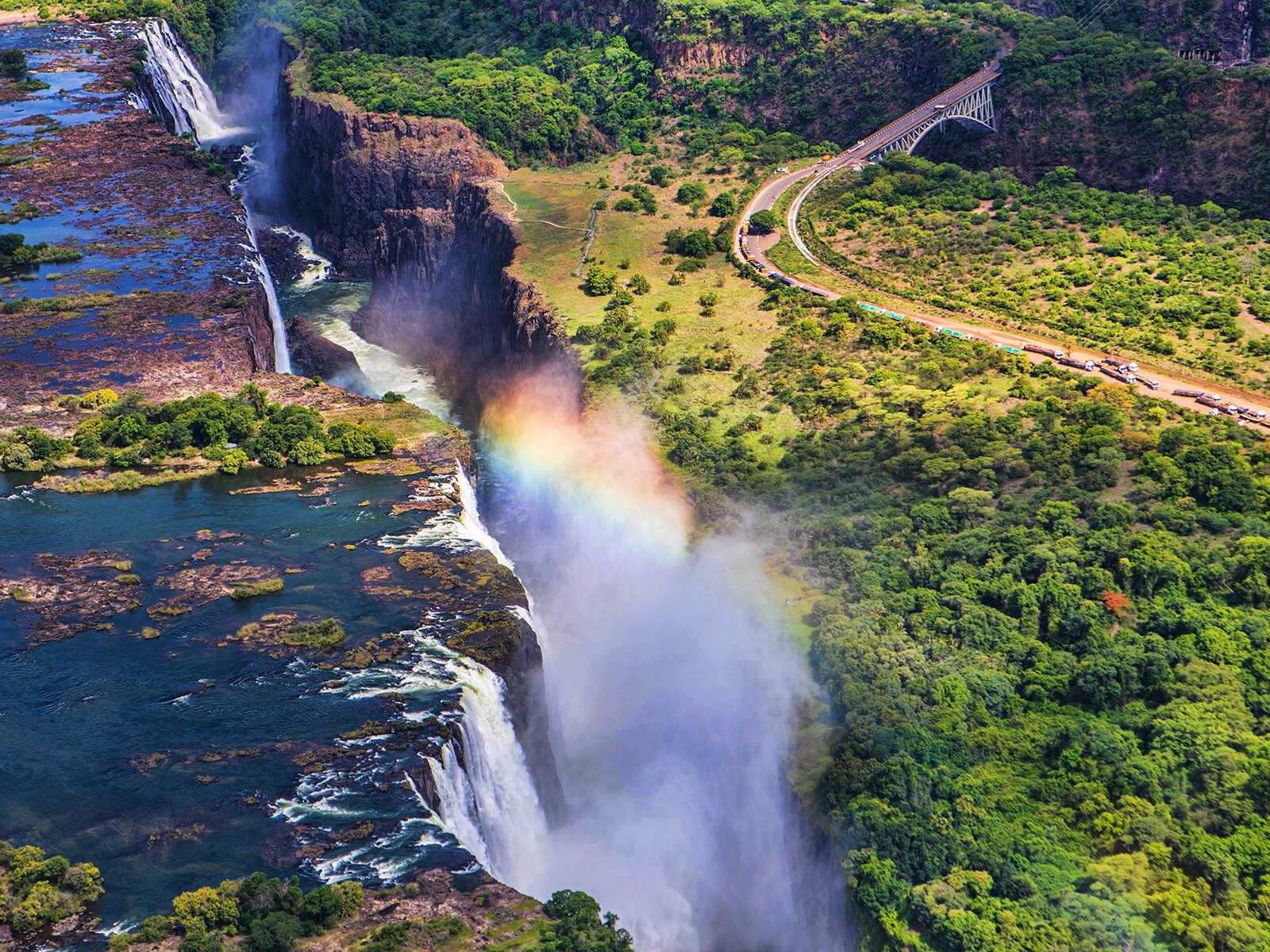
While not a traditional safari spot, no photographic journey through Zimbabwe would be complete without experiencing and capturing the awe-inspiring power of Victoria Falls. Known locally as Mosi-oa-Tunya, "The Smoke That Thunders," this natural wonder offers unparalleled photographic opportunities. The sheer scale of the falls, especially during high water, creates dramatic misty scenes and vibrant rainbows.
From various viewpoints along the Zimbabwean side, you can capture different perspectives, from wide panoramic shots to close-ups of the immense curtain of water. Don't forget to protect your gear from the perpetual spray! The surrounding rainforest, fed by the mist, adds another layer of lush green to your compositions. For a truly epic shot, consider a helicopter flight over the falls to capture its grandeur from above.
Essential Photography Tips for Your Zimbabwean Safari
Choose the Right Time
The dry season (May to October) is generally considered the best for wildlife viewing as animals congregate around diminishing water sources. The sparse vegetation also makes spotting easier. However, the wet season (November to April) brings lush green landscapes, dramatic thunderstorms, and newborn animals, offering different photographic aesthetics and often fewer tourists.
Gear Up Smartly
- Camera Body:A DSLR or mirrorless camera with good low-light performance.
- Lenses:A telephoto lens (e.g., 100-400mm or 150-600mm) is crucial for wildlife. A wide-angle lens (e.g., 16-35mm) is excellent for landscapes and scenic shots.
- Accessories:Spare batteries, plenty of memory cards, a sturdy beanbag (for stability in vehicles), and a lens cleaning kit are essential. A monopod or tripod can be useful for low-light shots or landscapes, especially if you're out of the vehicle.
Master the Light
The "golden hours" – shortly after sunrise and before sunset – offer the most magical light for photography. The soft, warm light enhances colours and textures, creates dramatic shadows, and is ideal for backlighting subjects. Midday sun can be harsh, but can still be utilized for black and white photography or by seeking shaded subjects.
Composition and Patience are Key
Don't just point and shoot. Think about composition: use the rule of thirds, leading lines, and natural frames. Get down low for eye-level shots with animals to create a more intimate connection. Most importantly, patience is a virtue on safari. Wait for the animal to move into a better position, for an interesting interaction, or for the perfect light. Sometimes, the best shot comes after a long wait.
Respect Wildlife and Your Guides
Always prioritize the well-being of the animals. Maintain a respectful distance and never disturb them for a photo. Listen to your experienced safari guides; they know the animals' behaviour and the best ways to approach them safely and ethically. Their knowledge is invaluable for finding the best photographic opportunities.
Zimbabwe offers an incredible tapestry of photographic opportunities for every safari enthusiast. From the elephant-filled plains of Hwange National Park to the unique riverine wilderness of Mana Pools National Park, the ancient granite landscapes of Matobo National Park, and the remote beauty of Gonarezhou, each destination promises unforgettable moments and stunning images. Pack your camera, prepare for adventure, and capture the wild heart of Africa through your lens.