
Is Zimbabwe Safe for Tourists? Essential Safety Tips
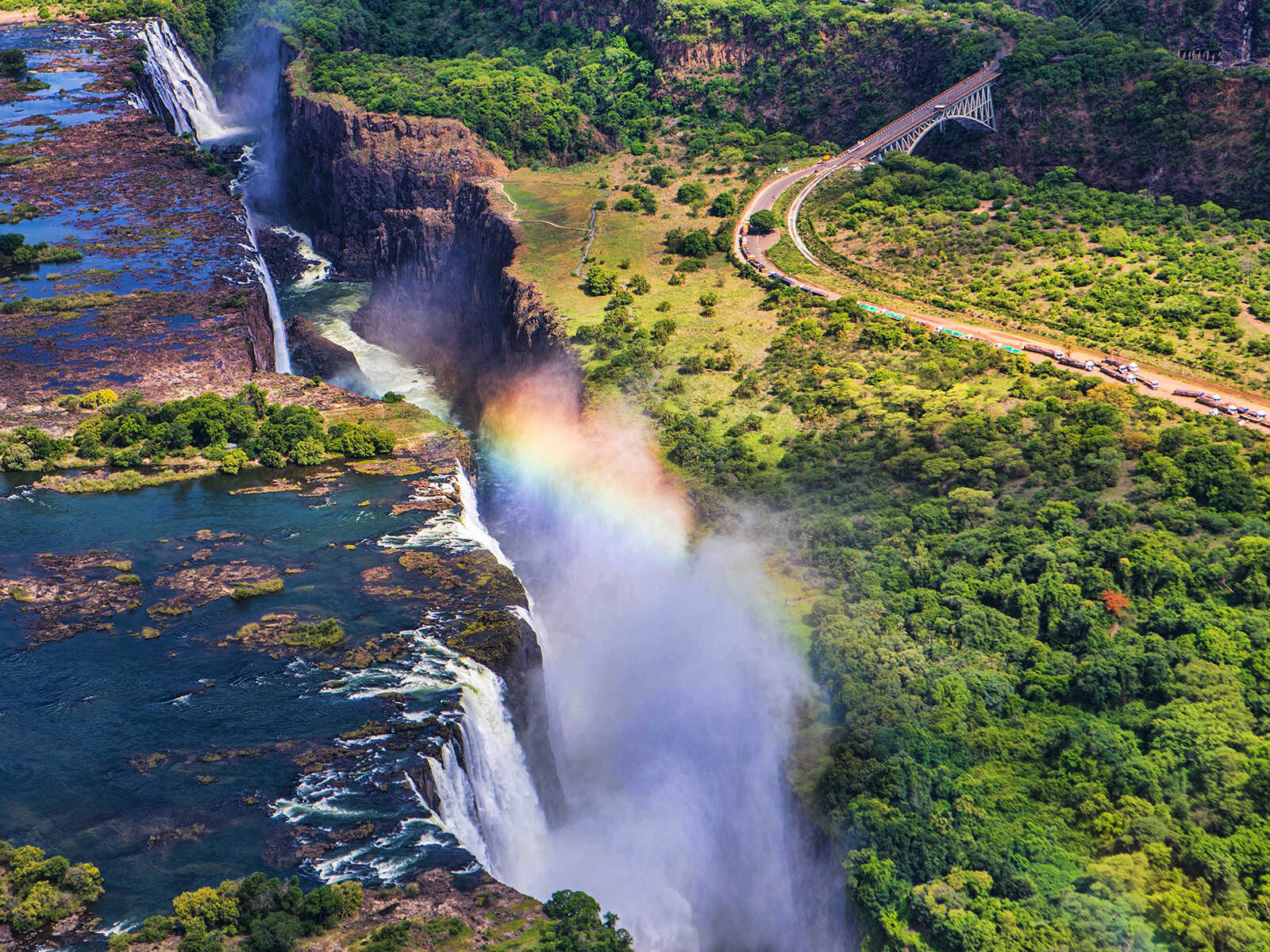
Zimbabwe offers an unforgettable adventure, from its majestic Victoria Falls to its incredible wildlife and ancient ruins. As with any international travel, understanding the local safety landscape is paramount to ensuring a smooth and enjoyable trip. This guide provides essential safety tips to help you navigate Zimbabwe confidently and responsibly.Zimbabwe has largely emerged from its past political challenges and today welcomes tourists with open arms and warm hospitality. While no country is entirely without risk, the vast majority of visitors experience a safe and enriching journey. Tourist areas, particularly the national parks and major attractions, are generally well-protected and accustomed to international visitors. However, like anywhere, exercising common sense and preparedness is crucial.
Understanding the General Safety Landscape
For most tourists, the primary risks in Zimbabwe are similar to those in many developing countries: petty crime in urban areas, road safety concerns, and of course, wildlife encounters in their natural habitat. Violent crime against tourists is rare, especially outside of major cities. The key to a safe trip lies in awareness, planning, and adherence to local advice.
Crime and Personal Security
While most tourist destinations are relatively safe, it's wise to be vigilant, particularly in cities like Harare and Bulawayo.
- Petty Crime:Pickpocketing, bag snatching, and opportunistic theft can occur, especially in crowded markets, bus terminals, and busy street areas. Keep valuables out of sight, carry only necessary cash, and be aware of your surroundings.
- Nighttime Safety:Avoid walking alone at night, especially in dimly lit or unfamiliar areas. Use reputable taxis or ride-sharing services recommended by your accommodation.
- Vehicle Security:When driving, keep car doors locked and windows up. Avoid leaving valuables visible in your vehicle, even when parked.
- ATMs and Banks:Use ATMs located inside banks or shopping centers during daylight hours. Be discreet when handling cash.
Traveler's Tip:Consider carrying a decoy wallet with a small amount of cash and an expired card to hand over if you encounter a mugging, keeping your main valuables hidden.
Road Safety and Transportation
Road conditions in Zimbabwe can vary significantly, from well-maintained highways to poorly surfaced rural roads. This, combined with local driving habits and wildlife, presents specific challenges.
- Driving at Night:Avoid driving long distances at night. Roads are often unlit, hazards like potholes are common, and wildlife can stray onto roads.
- Public Transport:For inter-city travel, opt for reputable coach services or private transfers arranged through your tour operator or hotel. Avoid overcrowded minibuses (kombis) which can be unreliable and sometimes unsafe.
- Taxis:Use licensed taxis or services recommended by your accommodation. Confirm the fare before starting your journey.
- Roadblocks:Police roadblocks are common. Cooperate respectfully, have your driver's license, vehicle registration, and other documents ready. Do not offer bribes.
Wildlife Safety in National Parks
Zimbabwe is a premier safari destination, home to the "Big Five" and countless other species. Enjoying this incredible wildlife safely is paramount.
- Listen to Your Guides:Always follow the instructions of your professional safari guides. They are experts in animal behavior and local conditions.
- Stay in Vehicles:When on game drives in Hwange National Park or Mana Pools National Park, remain inside your safari vehicle unless explicitly told otherwise by your guide. Animals can be unpredictable.
- Maintain Distance:Whether walking with a guide in Matobo National Park or viewing from a vehicle, respect the animals' space. Never approach wildlife on foot without an experienced guide.
- Camp Safety:If staying in unfenced camps, be aware that animals can wander through. Follow camp rules regarding movement after dark and storing food.
- Feeding Animals:Never feed wild animals. It can make them habituated to humans, leading to aggressive behavior.
Health and Medical Preparedness
Taking precautions for your health is a vital part of safe travel in Zimbabwe.
- Malaria:Many parts of Zimbabwe, especially lower-lying areas and national parks, are malaria-prone. Consult your doctor about anti-malarial medication. Use insect repellent, wear long sleeves and trousers at dusk and dawn, and sleep under mosquito nets.
- Vaccinations:Ensure your routine vaccinations are up to date. Consult your doctor about recommended vaccinations for Zimbabwe, such as Hepatitis A & B, Typhoid, and Tetanus. A Yellow Fever vaccination certificate may be required if you're arriving from an infected country.
- Water and Food:Drink bottled or purified water. Avoid tap water unless it's confirmed safe. Be cautious with street food and ensure all food is thoroughly cooked.
- Sun Protection:The African sun can be intense. Use high-SPF sunscreen, wear a wide-brimmed hat, and stay hydrated.
- Medical Facilities:Medical facilities, particularly in rural areas, can be limited. Ensure you have comprehensive travel insurance that covers emergency medical evacuation. Carry a basic first-aid kit.
Political Stability and Local Etiquette
While Zimbabwe is generally stable for tourists, it's wise to be aware of the political climate and local customs.
- Political Gatherings:Avoid any political demonstrations or large public gatherings, as these can sometimes turn confrontational.
- Photography:Be respectful when taking photos. Always ask permission before photographing people, and avoid photographing government buildings, military installations, or police.
- Local Laws and Customs:Familiarize yourself with local laws and customs. Homosexuality is illegal in Zimbabwe. Dress modestly, especially in rural areas or when visiting religious sites like the ancient city of Great Zimbabwe.
Financial Safety
Zimbabwe operates a multi-currency system, primarily using the Zimbabwean Dollar (ZiG) and US Dollar (USD).
- Currency:USD is widely accepted, especially in tourist areas. It's advisable to carry small denominations for tips and smaller purchases.
- Credit Cards:Major credit cards (Visa, Mastercard) are accepted in larger hotels, restaurants, and shops, but always have some cash as a backup, especially outside major towns or when visiting attractions like Chinhoyi Caves.
- Counterfeit Notes:Be aware of counterfeit notes. Try to get cash from reputable banks or ATMs.
Emergency Contacts and Resources
Before you travel, make sure you have a list of essential contacts:
- Local Emergency Numbers:
- Police: 995
- Ambulance: 994
- Fire: 993
- Embassy/Consulate:Register your travel with your country's embassy or consulate in Zimbabwe and keep their contact details handy.
- Tour Operator/Accommodation:Keep the contact details of your tour operator, safari lodge, or hotel readily accessible.
- Travel Insurance:Ensure you have your travel insurance policy details and emergency contact numbers.
Conclusion
Zimbabwe offers an incredibly rewarding travel experience, filled with natural wonders, vibrant culture, and unforgettable encounters. By understanding and preparing for the safety aspects outlined above, you can focus on enjoying the magic of this beautiful country. Travel smart, stay aware, and embrace the adventure!