
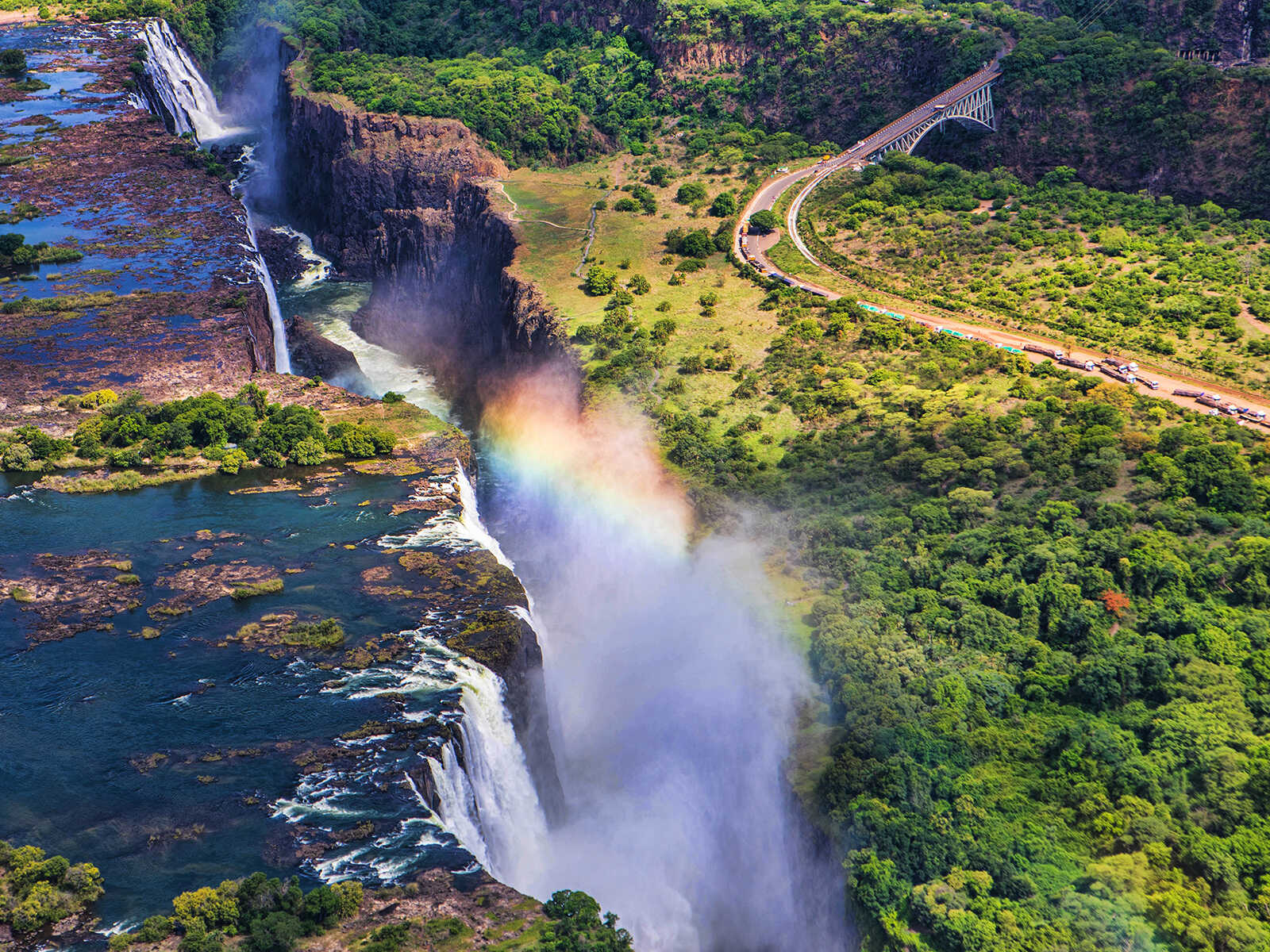
How to Get from Victoria Falls to Hwange National Park
Embarking on a safari adventure in Zimbabwe often begins with the majestic Victoria Falls, followed by the unparalleled wildlife experiences of Hwange National Park. This essential guide outlines your best travel options, ensuring a smooth and memorable transition between these two iconic destinations.
The journey from Victoria Falls, one of the Seven Natural Wonders of the World, to Hwange National Park, Zimbabwe's largest and most diverse wildlife reserve, is a well-trodden path for many visitors. While the two locations are geographically distinct, they are perfectly positioned to offer a quintessential Zimbabwean experience. Understanding the various transportation methods will help you choose the option that best suits your budget, time constraints, and desired level of adventure.
Understanding the Route: Victoria Falls to Hwange
Victoria Falls town is situated in the far west of Zimbabwe, close to the borders with Zambia and Botswana.Hwange National Park lies to the south-east, approximately 100 to 200 kilometers away, depending on which gate or lodge within the vast park you are heading to. The most common entry points are Main Camp, Sinamatella, and Robins Camp.
Distance and Travel Time
- Victoria Falls to Hwange Main Camp:Approximately 180 km (112 miles).
- Victoria Falls to Hwange Sinamatella Camp:Approximately 170 km (106 miles).
- Victoria Falls to Hwange Robins Camp:Approximately 140 km (87 miles).
Travel times by road typically range from 2 to 4 hours, not including potential stops or delays, depending on your destination within the park and the road conditions. Air transfers are significantly faster, taking under an hour.
Your Transportation Options
1. Road Transfer: Private or Shared Shuttle
This is by far the most popular and recommended method for getting from Victoria Falls to Hwange National Park. Many safari lodges and tour operators offer direct transfers, often in comfortable, air-conditioned safari vehicles.
- Private Transfers:Offer maximum flexibility and comfort. You can depart at your preferred time and make stops along the way if desired. This is ideal for families or small groups.
- Shared Shuttles:A more budget-friendly option, where you share a vehicle with other travelers. Departure times are usually fixed, and you might have multiple drop-offs.
Pros:
- Convenience:Door-to-door service from your Victoria Falls accommodation directly to your lodge in Hwange.
- Comfort:Vehicles are generally well-maintained, often 4x4s, suitable for the varying road conditions.
- Knowledgeable Drivers:Drivers are usually experienced and can offer insights into the local area and wildlife.
Cons:
- Cost:Private transfers can be more expensive, especially for solo travelers.
- Fixed Schedule:Shared shuttles operate on a set timetable, which might not align perfectly with your itinerary.
Booking Tip:It's highly advisable to book your road transfer in advance, especially during peak season. Your safari lodge in Hwange can often arrange this for you, or you can use reputable local tour operators.
2. Self-Drive
For the independent adventurer, self-driving offers the freedom to explore at your own pace. However, it requires careful planning and a suitable vehicle.
- Vehicle Rental:A 4x4 vehicle is strongly recommended, especially if you plan to drive within Hwange National Park itself. Sedan cars are generally not suitable for the park's internal roads, which can be sandy or rutted.
- Road Conditions:The main road (A8) from Victoria Falls towards Bulawayo is generally tarred and in reasonable condition. However, the turn-offs to Hwange's various camps and lodges are typically gravel or dirt roads, which can be challenging, particularly during the rainy season (November to April).
- Navigation:Offline maps and GPS devices are essential, as mobile phone reception can be intermittent in rural areas.
Pros:
- Flexibility:Set your own schedule and stop whenever you wish.
- Adventure:A true sense of exploration and independence.
Cons:
- Risk:Navigation errors, vehicle breakdowns, and wildlife encounters on the road require preparedness.
- Cost:Vehicle rental, fuel, and potential park entry fees for your vehicle can add up.
- Expertise:Requires confidence driving on unpaved roads and basic knowledge of vehicle maintenance.
Did you know?Hwange National Park is home to one of Africa's largest elephant populations, with an estimated 45,000 elephants roaming its vast plains and woodlands.
3. Air Transfer: Charter Flights
The fastest and most scenic way to travel, charter flights connect Victoria Falls Airport (VFA) or smaller private airstrips directly to various airstrips within or near Hwange National Park(e.g., Main Camp, Manga, Linkwasha, Umtshibi). These flights are typically operated by light aircraft.
- Booking:Usually arranged through your safari lodge or a specialist tour operator as part of a package.
- Luggage:Strict luggage weight limits (often 15-20 kg per person) apply due to the small size of the aircraft. Soft-sided bags are usually required.
Pros:
- Speed:Significantly reduces travel time, allowing more time for game viewing.
- Views:Offers spectacular aerial views of the Zimbabwean landscape and potentially wildlife from above.
- Comfort:A luxurious and efficient way to travel, minimizing time spent on bumpy roads.
Cons:
- Cost:This is generally the most expensive option.
- Fixed Schedules:Charter flights may have minimum passenger requirements or specific departure times.
4. Train Travel: A Unique Journey
For those seeking a more traditional and unique experience, the overnight train service from Victoria Falls to Dete (the closest station to Hwange Main Camp) offers a glimpse into local life. The National Railways of Zimbabwe (NRZ) runs services, though they are not geared towards luxury tourism and can be unpredictable.
- Departure:Trains typically depart Victoria Falls in the evening.
- Arrival:Arrive in Dete early the next morning.
- Onward Travel:From Dete, you will need to arrange a road transfer to your lodge within Hwange National Park, which is approximately 15-30 minutes away.
Pros:
- Authenticity:A chance to experience local travel and interact with Zimbabweans.
- Cost-Effective:Generally the most affordable option.
- Novelty:A unique adventure for those with time.
Cons:
- Time-Consuming:An overnight journey, plus transfer time, makes it the slowest option.
- Comfort:Facilities are basic, and delays are common. Not for those seeking luxury or punctuality.
- Logistics:Requires arranging additional transfers from Dete station.
Essential Tips for Your Journey
- Book in Advance:Regardless of your chosen method, especially during peak safari season (dry season, May to October), book your transfers well ahead of time.
- Communicate with Your Lodge:Your safari lodge in Hwange National Park is your best resource. They can advise on the best transfer options, arrange bookings, and provide up-to-date information on road conditions.
- Pack Smart:If flying, adhere to strict luggage limits. For road transfers, ensure essentials like water, snacks, and a camera are easily accessible.
- Carry Identification:Always have your passport and any necessary visas readily available, especially if arriving from Zambia or Botswana into Victoria Falls.
- Stay Hydrated:Zimbabwe can get very hot, particularly during the summer months. Carry plenty of water for your journey.
Beyond Victoria Falls and Hwange: Exploring Zimbabwe
While Victoria Falls and Hwange National Park offer an incredible combination of natural wonder and wildlife, Zimbabwe boasts a wealth of other captivating destinations. Consider extending your trip to explore the ancient ruins of Great Zimbabwe, the balancing rocks and historical sites of Matobo National Park, or the pristine wilderness of Mana Pools National Park, renowned for walking safaris. For those intrigued by geological formations, the Chinhoyi Caves offer a unique underground lake experience.
Conclusion
Connecting from the thundering Victoria Falls to the wildlife-rich plains of Hwange National Park is a highlight of any Zimbabwean adventure. Whether you opt for the convenience of a road transfer, the thrill of a self-drive, the luxury of a charter flight, or the authentic charm of a train journey, each option promises a unique experience. By planning ahead and choosing the method that aligns with your travel style, you're set for an unforgettable safari journey into the heart of Zimbabwe's wilderness.