
Getting Around Zimbabwe: Transportation Guide for Tourists
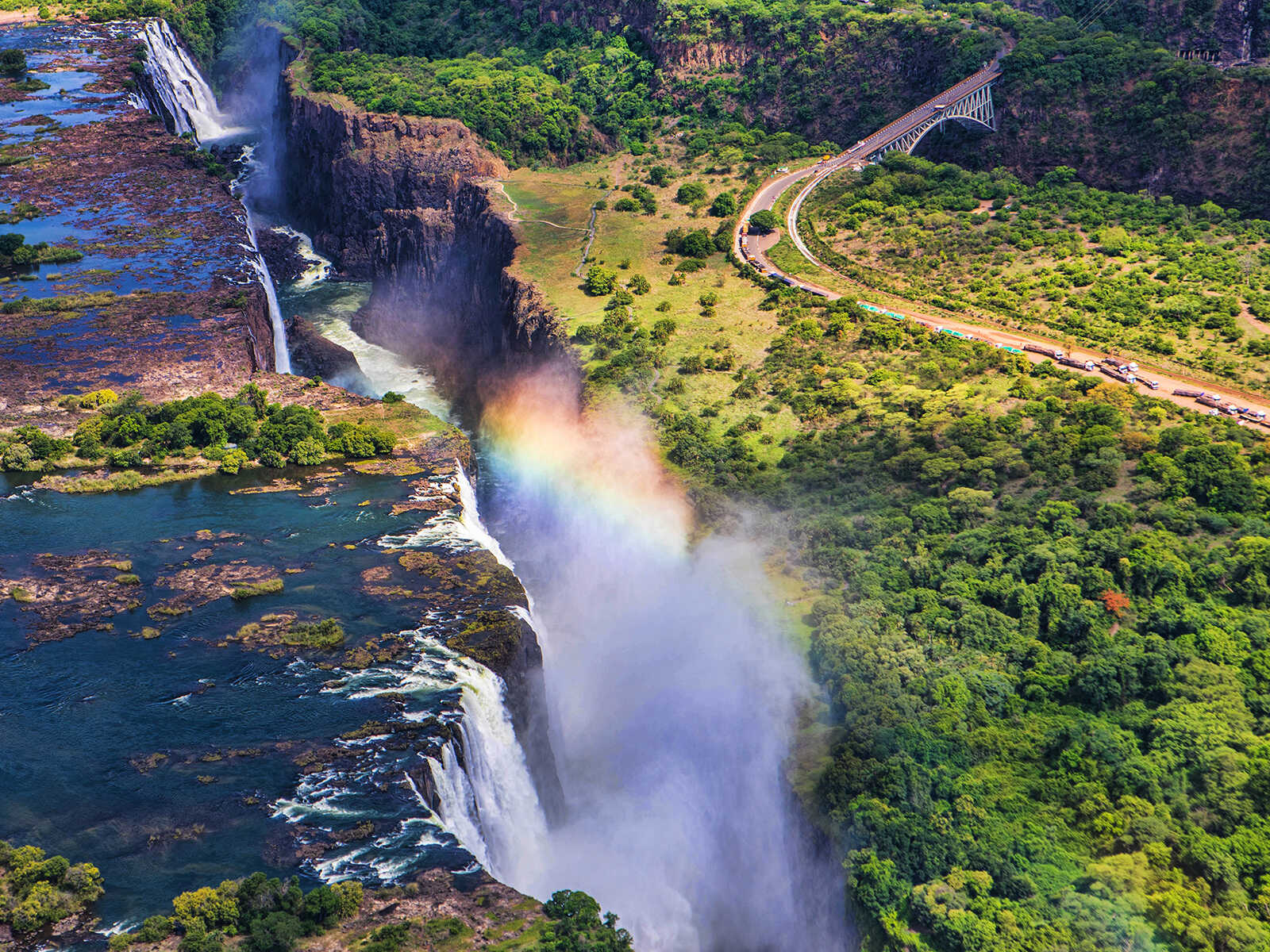
Exploring Zimbabwe's diverse landscapes, from thundering waterfalls to ancient ruins and abundant wildlife, requires a good understanding of its transportation options. This guide will help you navigate the country efficiently, ensuring a memorable and smooth journey through this captivating Southern African gem.
Understanding Zimbabwe's Transport Landscape
Zimbabwe offers a range of transport choices, each suited to different budgets, itineraries, and adventure levels. While major cities like Harare, Bulawayo, and Victoria Falls have more developed infrastructure, venturing into national parks and remote areas often requires specialized vehicles and planning. Flexibility and an adventurous spirit are key to unlocking the full potential of your Zimbabwean exploration.
Modes of Transportation for Tourists
1. Air Travel: Swift Access to Distant Wonders
For covering long distances quickly or reaching remote safari destinations, air travel is an invaluable option. It significantly cuts down travel time and offers spectacular aerial views of the landscape.
- Domestic Flights:Scheduled domestic flights connect key tourist hubs. The main routes typically link Harare, the capital, with Bulawayo and Victoria Falls. These services are convenient for travelers with limited time or those wishing to avoid long road journeys between major attractions.
- Charter Flights:For accessing more secluded areas, especially national parks like Mana Pools National Park or Hwange National Park, charter flights are often the preferred and sometimes only practical choice. These smaller aircraft fly directly to airstrips within or near the parks, offering unparalleled convenience and an authentic safari arrival experience. Many safari lodges include these transfers as part of their packages.
2. Road Travel: The Heartbeat of Exploration
Road travel is the most common way to get around Zimbabwe and offers the greatest flexibility for sightseeing. However, conditions can vary significantly, so understanding your options is crucial.
Self-Driving and Car Rental: The Independent Explorer's Choice
Renting a car provides the ultimate freedom to explore at your own pace, stopping wherever curiosity strikes. Zimbabwe drives on the left-hand side of the road.
- Advantages:Independence, flexibility to customize itineraries, access to off-the-beaten-path destinations like the ancient ruins of Great Zimbabwe or the unique formations of Chinhoyi Caves.
- Considerations:Road conditions can range from well-maintained tarred highways between major cities to rough gravel or dirt tracks in rural areas and national parks. A 4x4 vehicle is highly recommended, especially if you plan to visit national parks such as Hwange National Park or Matobo National Park, or travel during the rainy season.
- Driving Tips:
- Ensure you have an international driving permit.
- Always carry your driver's license, vehicle registration, and rental agreement.
- Fuel stations can be sparse in rural areas; plan your fuel stops accordingly.
- Avoid driving at night due to poor lighting, wildlife, and potential road hazards.
- Be aware of pedestrians, cyclists, and livestock on rural roads.
- Comprehensive insurance is essential.
Coaches and Inter-City Buses: Connecting Major Hubs
Several bus companies operate routes between Zimbabwe's larger towns and cities. These are a budget-friendly option for long-distance travel.
- Pros:Affordable, relatively frequent between major centers (e.g., Harare to Bulawayo or Victoria Falls).
- Cons:Can be crowded, comfort levels vary, schedules may not always be strictly adhered to, and they typically do not serve tourist attractions directly. They are more suited for getting between cities rather than for touring.
Minibuses (Kombis) and Local Taxis: Urban Mobility
Within cities and towns, local transport options are readily available.
- Minibuses (Kombis):These are shared vans that follow set routes, picking up and dropping off passengers along the way. They are very inexpensive and offer a local experience. However, they can be overcrowded, and for safety and convenience, they are generallynot recommendedfor international tourists.
- Ride-Hailing and Metered Taxis:In major cities like Harare and Bulawayo, ride-hailing apps are gaining popularity, offering a convenient and safer alternative to kombis. Traditional metered taxis are also available, though it's always advisable to confirm the fare or ensure the meter is used before starting your journey. These are good for short distances within urban areas.
Safari and Tour Operators: Hassle-Free Adventure
For many tourists, especially those focusing on wildlife and guided experiences, booking through a reputable tour operator is the most convenient option. They provide specialized transport, often 4x4 safari vehicles, with experienced drivers and guides.
- Benefits:Expert navigation, vehicle maintenance taken care of, knowledgeable guides enhancing your experience, and seamless transfers between lodges and activities. This is particularly advantageous for destinations like Mana Pools National Park, where self-driving can be challenging.
- Considerations:Less flexibility than self-driving, but the convenience and expertise often outweigh this for first-time visitors or those on dedicated safari itineraries.
3. Rail Travel: A Glimpse into the Past (Limited Tourist Use)
Zimbabwe has a railway network, but passenger services are generally slow, infrequent, and primarily cater to local commuters. While there are some historical and luxury rail experiences that occasionally traverse parts of Zimbabwe, the public rail system is not a practical or recommended mode of transport for most tourists seeking efficiency or modern comfort.
4. Water Transport: Unique Perspectives on Kariba
Water transport is primarily relevant in specific locations, most notably Lake Kariba. Houseboats offer a unique way to explore the lake, combining accommodation with scenic cruising. Ferries also operate on the lake, connecting various points, which can be part of an adventurous itinerary for accessing certain lodges or areas.
Traveler's Tip:When planning your route, consider the stark difference in travel time and comfort between dry and rainy seasons. Roads that are easily traversable in the dry months might become challenging or impassable during heavy rains.
Essential Tips for Navigating Zimbabwe
- Plan Ahead and Be Flexible:Research your routes and transport options in advance, especially for travel to national parks or remote areas. However, be prepared for potential delays or changes, as flexibility is a valuable asset when traveling in Zimbabwe.
- Safety First:Always prioritize your safety. Lock vehicle doors, keep valuables out of sight, and avoid walking alone at night in unfamiliar areas. If hiring a private taxi, use reputable companies recommended by your accommodation.
- Stay Connected:Consider purchasing a local SIM card upon arrival for easier communication and navigation. Mobile data coverage is decent in urban areas and along major routes, though it can be patchy in very remote regions.
- Cash and Currency:While electronic payments are common in cities, always carry some smaller denominations of US dollars for fuel, tolls, or purchases in rural areas where card machines might not be available or reliable.
Conclusion: Embrace the Journey
Getting around Zimbabwe is an integral part of the adventure. Whether you're soaring above the savannah in a charter plane, navigating scenic routes by 4x4, or relying on the expertise of a safari operator, each mode of transport offers a unique perspective on this beautiful country. By understanding your options and planning wisely, you'll be well-prepared to explore Zimbabwe's incredible sights and sounds with confidence and ease.