
Best Time to Visit Zimbabwe for Wildlife & Safari
Zimbabwe, a jewel in Southern Africa, offers an unparalleled safari experience, boasting diverse landscapes and abundant wildlife, including the iconic Big Five. To truly maximize your adventure and witness its natural wonders at their peak, understanding the country's distinct seasons and how they influence wildlife viewing is crucial for planning your trip.
Understanding Zimbabwe's Climate: Dry vs. Wet Seasons
Zimbabwe experiences a tropical climate, largely divided into two main seasons: the dry season and the wet (or green) season. Each offers a unique perspective on the country's wildlife and landscapes, making the "best" time highly dependent on your personal preferences and safari goals.
The Dry Season (May to October): Prime Safari Time
Often considered the optimum time for traditional wildlife viewing, the dry season brings with it distinct advantages for safari enthusiasts. As the landscape dries out, water sources become scarce, forcing animals to congregate around permanent rivers, waterholes, and artificial pumps, making them easier to spot.
May to June: The Cool Start
These months mark the beginning of the dry season. Temperatures are pleasant and mild, with cooler evenings and mornings, ideal for game drives. The vegetation is still relatively green from the last rains, but slowly starts to thin out. It's a fantastic time for photography as the light is often clear and crisp. Parks like Hwange National Park begin to show excellent wildlife concentrations, especially around its famous pumped waterholes.
July to August: Peak Wildlife Viewing
The heart of the dry season. The bush becomes very sparse, offering unobstructed views of wildlife. Animals are heavily concentrated around diminishing water sources, leading to incredible viewing opportunities and dramatic interactions. Daytime temperatures are warm and comfortable, though nights can still be chilly, especially in higher altitude areas. This is an excellent period for witnessing large herds of elephants and buffalo, particularly in Mana Pools National Park, where they gather along the Zambezi River.
Expert Tip:During the dry season, especially towards its end, the limited water sources mean incredible wildlife viewing, but also more dust. Pack a scarf or bandana to protect your face and camera equipment from fine dust particles on game drives.
September to October: Hot & Intense
These are the hottest months, particularly October, before the rains break. While challenging due to the heat, this period offers some of the most intense and rewarding wildlife viewing. Animals are desperate for water, making sightings around waterholes almost guaranteed. Predator action often peaks as prey animals are weaker. It's an incredible time for photographers looking for dramatic scenes. However, be prepared for high daytime temperatures and very dusty conditions.
- Pros of the Dry Season:
- Excellent wildlife concentration at water sources.
- Sparse vegetation offers clear visibility.
- Lower risk of malaria (especially later in the season).
- More comfortable temperatures (May-August).
- Great for walking safaris, particularly in Mana Pools National Park.
- Cons of the Dry Season:
- Can be very hot and dusty, especially September/October.
- Peak tourist season, leading to more visitors (though Zimbabwe is generally less crowded than other safari destinations).
The Wet Season / Green Season (November to April): A Different Kind of Safari
The wet season transforms Zimbabwe into a lush, vibrant paradise. While wildlife spotting can be more challenging due to dense vegetation and dispersed water, this season offers unique rewards that appeal to a different kind of safari-goer.
November to December: The Rains Break
The first rains arrive, bringing relief from the heat and triggering a rapid transformation of the landscape. The bush turns green almost overnight. This is the birthing season for many antelope species, meaning sightings of adorable newborns. Migratory birds return, making it an exceptional time for birdwatching. Thunderstorms are often dramatic but short-lived, typically occurring in the late afternoon.
January to February: Peak Rains & Lushness
These months experience the heaviest rainfall. The landscape is incredibly lush and green, offering stunning photographic opportunities of vibrant scenery. Wildlife is dispersed as water is readily available everywhere, making game viewing harder but still rewarding for those who enjoy the challenge. Roads in some remote areas might become impassable, and some camps may close.
March to April: Mellowing Rains & Green Beauty
Rainfall begins to decrease, and the temperatures become more moderate. The landscape remains beautifully green, and birdlife is still abundant. This is a lovely time to experience Zimbabwe with fewer crowds and often more attractive rates. It’s also an excellent time to visit non-wildlife attractions like Great Zimbabwe or Chinhoyi Caves, as the weather is pleasant for exploring historical and geological sites.
- Pros of the Wet Season:
- Lush, green, and vibrant landscapes – excellent for landscape photography.
- Incredible birdwatching opportunities with migratory species.
- Witnessing newborn animals.
- Fewer tourists and generally lower safari prices.
- Dramatic thunderstorms and beautiful cloud formations.
- Cons of the Wet Season:
- Wildlife can be harder to spot due to dense vegetation and dispersed water.
- Higher humidity and increased mosquito activity (higher malaria risk).
- Some roads may become muddy or impassable.
- Some safari camps might close during the peak wet months.
Shoulder Seasons: The Best of Both Worlds?
The periods bridging the main seasons—late April/early May and early November—can offer a compelling compromise. You might experience the tail end of the rains and the emerging green landscapes alongside improving wildlife viewing as waterholes begin to dry up or fill up. These months often provide a balance of good game viewing, fewer crowds, and pleasant weather.
Beyond Wildlife: Other Considerations
While wildlife is a primary draw, Zimbabwe offers other incredible experiences that can influence your timing:
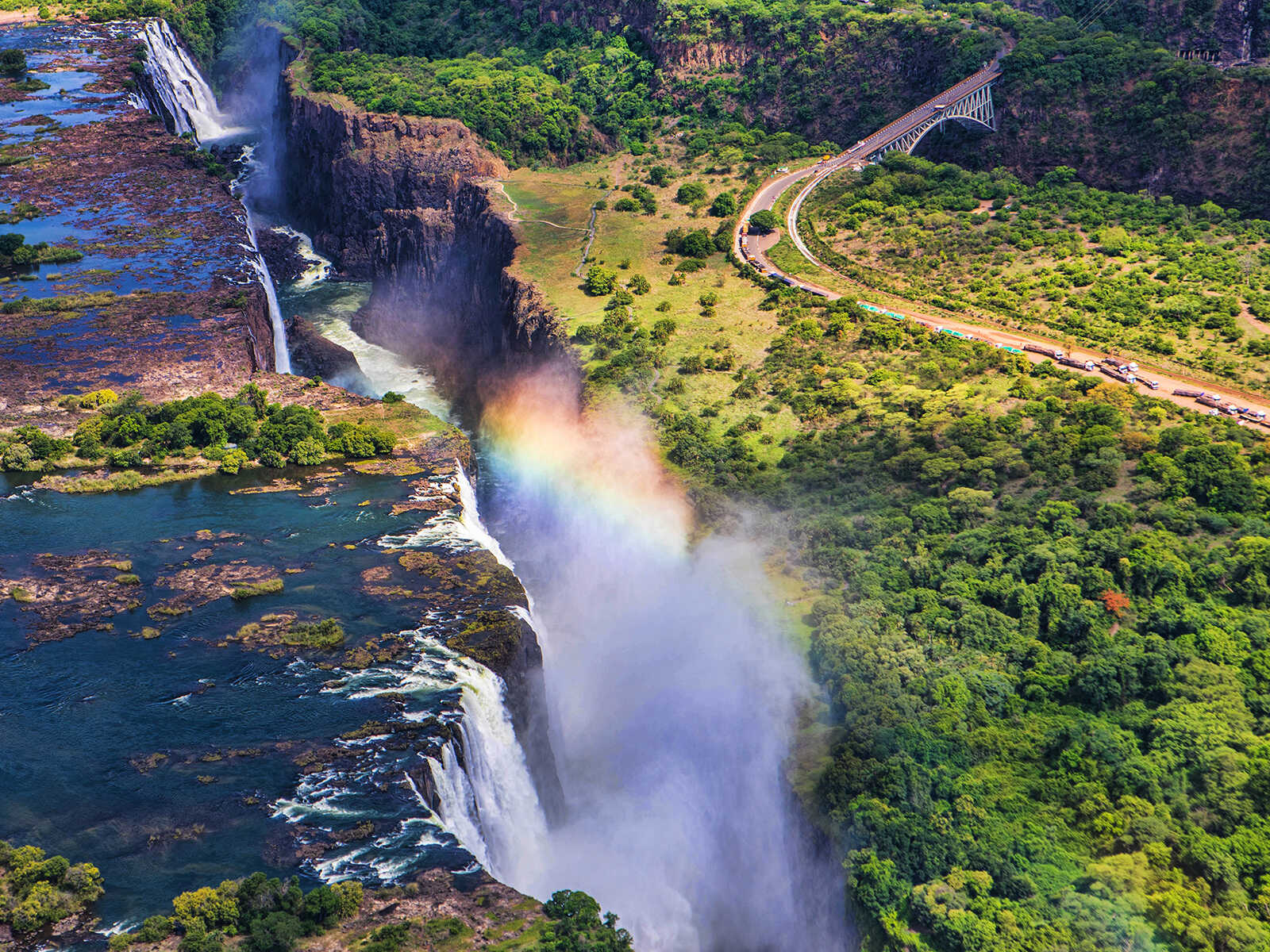
- Victoria Falls:This natural wonder is spectacular year-round, but its appearance changes significantly. During the wet season (Feb-May), the Falls are at their fullest, creating a magnificent "smoke that thunders" effect, but the spray can obscure views. In the dry season (Sept-Nov), the water levels are lower, offering clearer views of the rock face and allowing activities like Devil's Pool.
- Cultural & Historical Sites:Sites like Great Zimbabwe and the rock art of Matobo National Park are accessible year-round. The cooler, drier months might be more comfortable for extensive exploration.
- Activities:White-water rafting on the Zambezi is best when water levels are lower (August-December). Canoeing safaris in Mana Pools National Park are best during the dry season when wildlife congregates along the riverbanks.
Making Your Decision: Key Factors
Ultimately, the "best" time to visit Zimbabwe depends on what you prioritize:
- Primary Goal:If seeing abundant wildlife and the Big Five is your absolute priority, aim for thedry season (July-October).
- Photography:For classic wildlife shots, the dry season. For lush landscapes and vibrant birdlife, the green season.
- Birdwatching:Thewet season (November-April)is unparalleled.
- Crowds & Cost:The wet season generally sees fewer tourists and potentially better value.
- Comfort:May-August offers the most comfortable temperatures.
- Specific Interests:If you want to combine safari with Victoria Falls activities or cultural tours, consider how water levels or temperatures affect those experiences.
Zimbabwe is a destination that truly shines year-round, each season unveiling a different facet of its natural beauty and wildlife spectacle. Whether you choose the drama of the dry season or the vibrant rebirth of the green season, an unforgettable safari adventure awaits.