
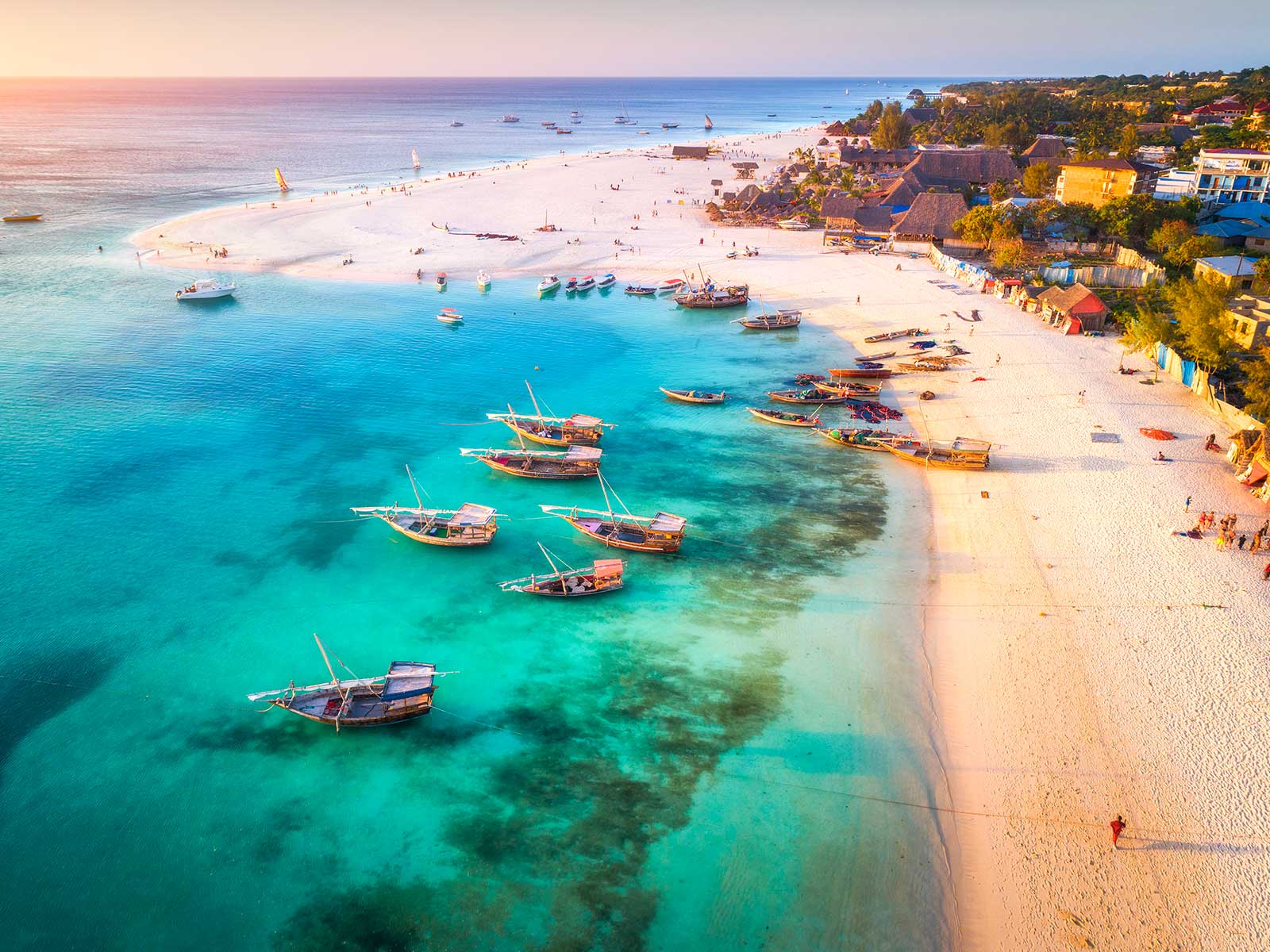
Zanzibar Culture & Traditions: What Travelers Need to Know
Zanzibar, the enchanting Spice Island off the coast of Tanzania, is far more than just pristine beaches and turquoise waters. It boasts a vibrant, intricate culture, a rich tapestry woven from centuries of diverse influences. Understanding and respecting these traditions will undoubtedly deepen your appreciation for this unique destination.
A Brief History of Zanzibar's Cultural Tapestry
Zanzibar's history is a captivating blend of African, Arab, Indian, and European influences, primarily shaped by its strategic position on ancient trade routes. For centuries, merchants from Persia, Arabia, and India sailed to its shores, establishing trading posts and leaving an indelible mark on its architecture, language, and customs. The Omani Sultanate's rule in the 19th century, in particular, solidified the island's strong Islamic identity and its role as a major hub for the spice and slave trades, aspects of its past prominently visible in Stone Town, a UNESCO World Heritage site.
Did you know?Stone Town's labyrinthine alleys, ornate doors, and historic buildings are a living museum, showcasing the island's complex multicultural heritage and its centuries-old interactions between different civilizations.
Religion and Spirituality: Islam's Central Role
Islam is the predominant religion in Zanzibar, profoundly influencing daily life, social norms, and the rhythm of the island. Mosques are ubiquitous, and the call to prayer (Adhan) echoes through towns and villages five times a day. While respectful of other faiths, visitors will find that Islamic traditions shape everything from dress codes to culinary practices and celebrations.
- Ramadan:The holy month of fasting is observed strictly. While most restaurants catering to tourists remain open, it's respectful to avoid eating, drinking, or smoking in public during fasting hours.
- Eid al-Fitr:Marking the end of Ramadan, this is a major celebration with feasting and family gatherings, a wonderful time to experience local joy if you're fortunate enough to be there.
Language: The Heart of Communication
The official language of Zanzibar is Swahili (Kiswahili), a beautiful Bantu language with significant Arabic influences. While English is widely spoken in tourist areas, especially in Stone Town and popular beach resorts like Nungwi beach or Kendwa beach, learning a few basic Swahili phrases will go a long way in showing respect and fostering genuine connections with locals. Here are a few essentials:
- Jambo / Habari:Hello / How are you?
- Nzuri:Fine (response to Habari)
- Asante (sana):Thank you (very much)
- Karibu (sana):Welcome (very much) / You're welcome
- Pole pole:Slowly, gently (a common and useful phrase!)
- Hakuna Matata:No worries (yes, from The Lion King!)
Cuisine: A Feast for the Senses
Zanzibari cuisine is a delicious reflection of its history, a tantalizing fusion of African, Arab, Indian, and Portuguese flavors. Spices, for which the island is famous, are at the heart of every dish. Visiting one of the Spice Farms is an essential experience to understand the origins of these aromatic ingredients.
Expect to find aromatic rice dishes like pilau and biryani, fresh seafood grilled to perfection, and hearty stews often flavored with coconut milk and exotic spices. Must-try dishes include:
- Urojo:A unique Zanzibari street food, a flavorful soup with crispy fritters, potatoes, and various toppings.
- Zanzibar Pizza:Not your typical pizza, but a delicious savory crepe-like dish filled with meat, vegetables, or egg.
- Mishkaki:Marinated meat skewers, often grilled over charcoal.
- Tropical Fruits:Indulge in an abundance of fresh mangoes, passion fruits, pineapples, and coconuts.
Dress Code and Modesty: Respecting Local Norms
Given Zanzibar's conservative Islamic culture, dressing modestly is a sign of respect, particularly when away from resort areas or in religious sites. While beachwear is perfectly acceptable on the beach, covering up slightly when walking through villages or Stone Town is highly recommended.
- For Women:Opt for shoulders and knees to be covered. Loose-fitting trousers, skirts below the knee, and tops that cover the shoulders and décolletage are ideal. A light scarf can be useful for covering your head when visiting mosques.
- For Men:Long shorts or trousers and t-shirts are generally fine. Going shirtless outside of beach areas is frowned upon.
Social Etiquette and Greetings: Engaging Respectfully
Zanzibaris are known for their warmth and hospitality. A few simple gestures can significantly enhance your interactions:
- Greetings:Always greet people, even a simple "Jambo" with a smile. It's customary to shake hands, often with a light touch.
- Asking Permission:If you wish to photograph locals, especially children, always ask for permission first. A "Samahani, naweza piga picha?" (Excuse me, may I take a picture?) goes a long way.
- Bargaining:In markets, particularly in Stone Town, polite bargaining is expected and part of the cultural experience. Do so with a smile and good humor.
- Public Displays of Affection:Keep public displays of affection to a minimum out of respect for local customs.
Music and Dance: The Soul of Zanzibar
Music and dance are integral to Zanzibari culture, reflecting its diverse heritage. Taarab, a unique musical genre combining African, Arab, and Indian influences, is particularly prominent. It's characterized by poetic Swahili lyrics and instruments like violins, ouds, and qanuns. You might encounter live Taarab performances in Stone Town or during local celebrations.
Cultural Tip:Seek out local ngoma (traditional dance) performances, often accompanied by drumming, which tell stories and celebrate community life.
Family Values and Community
Family is at the core of Zanzibari society, with strong bonds extending to the wider community. Elders are highly respected, and children are often cherished by everyone. You'll frequently see multi-generational families living together, and community support networks are robust, especially in smaller villages.
Crafts and Art: Souvenirs with a Story
Zanzibar offers a variety of unique crafts that make for meaningful souvenirs. Look for intricate wood carvings, often depicting animals or traditional scenes. Tinga Tinga paintings, characterized by their bright colors and simplistic style, are popular throughout Tanzania and East Africa. Beautifully patterned kanga and kitenge fabrics, worn by local women, also make wonderful gifts.
Responsible Tourism: Preserving the Culture
As a traveler, you have a role in preserving Zanzibar's rich culture and natural beauty. This means:
- Respecting Customs:Adhering to local dress codes and social etiquette.
- Supporting Local Businesses:Buying from local artisans, dining at local restaurants, and using local guides helps the community directly.
- Environmental Awareness:Being mindful of your waste and impact on the pristine beaches and coral reefs, perhaps near Mnemba Atoll.
Conclusion
Zanzibar offers an incredibly enriching experience that extends far beyond its stunning natural landscapes. By understanding and embracing its vibrant culture and traditions, you unlock a deeper connection with the island and its warm, welcoming people. Approach your journey with an open mind and a respectful heart, and you’ll leave with memories as colorful and diverse as Zanzibar itself.