
The Fascinating History of Stone Town, Zanzibar: UNESCO World Heritage Site
Stepping into Stone Town is like unwrapping centuries of history, a vibrant tapestry woven with threads of diverse cultures and profound stories. This UNESCO World Heritage site, the ancient heart of Zanzibar City, offers an unparalleled glimpse into the island's pivotal role in global trade and cultural exchange.
A Crossroads of Civilizations: Early History
Long before its distinctive coral-stone buildings graced the waterfront, Zanzibar was a strategic stopping point for traders navigating the Indian Ocean. Indigenous African communities laid the groundwork, but it was the arrival of Persian (Shirazi) merchants around the 10th century that truly began shaping its destiny. These early settlers established trading posts, facilitating commerce in spices, ivory, and timber, and introducing Islam to the archipelago.
The island's allure soon caught the attention of European powers. In the early 16th century, the Portuguese arrived, establishing a fortified presence and controlling the lucrative trade routes for nearly two centuries. Their legacy, though relatively brief, can still be glimpsed in parts of the Old Fort, a testament to their ambition and the island's enduring strategic importance.
The Omani Sultanate and the Golden Age
The turning point for Stone Town arrived in the late 17th century when Omani Arabs, allied with local forces, successfully expelled the Portuguese. This marked the beginning of a profound Omani influence that would transform Zanzibar into a powerful sultanate. By the mid-19th century, Sultan Said bin Sultan famously moved his capital from Muscat to Stone Town, cementing its status as the administrative, political, and commercial hub of his vast East African empire.
Under Omani rule, Zanzibar entered its "Golden Age," flourishing as the world's leading producer of cloves, earning it the moniker "Spice Island." Plantations spread across the island, cultivating not only cloves but also nutmeg, cinnamon, and pepper, making a visit to a Spice Farm an essential experience even today. This economic boom, however, was tragically intertwined with the East African slave trade, with Stone Town becoming a major hub for this abhorrent commerce.
The wealth generated during this period fueled an architectural renaissance. Merchants and sultans invested heavily, constructing elaborate multi-story buildings, mosques, and palaces. This era saw the rise of iconic structures like the House of Wonders(Beit al-Ajaib), the Sultan's Palace, and the Old Dispensary, showcasing a unique blend of Swahili, Arab, Indian, and European architectural styles that define Stone Town's character.
Did you know?The intricately carved wooden doors of Stone Town are one of its most distinctive features. Each door tells a story, with different styles reflecting the owner's cultural background, status, or even their profession. Look for Indian-style doors with brass studs and geometric patterns, or Arab-style doors with carved verses from the Quran.
British Protectorate and the Decline of Slavery
As the 19th century drew to a close, British influence in the region grew. Driven by anti-slavery sentiments and strategic interests, Britain exerted increasing pressure on the Sultanate. In 1890, Zanzibar became a British protectorate, and efforts to abolish the slave trade intensified, though it took several more years for the practice to be fully eradicated. The Anglican Cathedral in Stone Town stands on the site of the former slave market, a poignant reminder of this dark chapter.
Under British administration, the island saw further development in infrastructure, education, and healthcare. While the clove trade remained vital, new industries emerged, and Stone Town continued its role as a regional trading center, adapting to a changing world economy.
Revolution and Modern Zanzibar
The path to modern Zanzibar was marked by significant change. After gaining independence from Britain in December 1963, a violent revolution erupted in January 1964, overthrowing the Arab monarchy and establishing the People's Republic of Zanzibar and Pemba. Later that year, Zanzibar united with Tanganyika to form the United Republic of Tanzania, ushering in a new era for the archipelago.
Despite the political upheavals,Stone Town's historical core largely survived. Recognizing its outstanding universal value, UNESCO designated Stone Town a World Heritage site in 2000, acknowledging its unique cultural fusion and architectural integrity as a living testament to centuries of Swahili civilization.
Exploring Stone Town Today: A Living Museum
Today,Stone Town remains a bustling, vibrant hub where history is not just preserved in museums but pulsates through its narrow, labyrinthine alleys. A walk through its winding streets reveals a sensory overload: the scent of spices, the call to prayer from ancient mosques, the chatter of merchants in the Darajani Market, and the rhythmic clang of a blacksmith's hammer.
Visitors can spend hours exploring the architectural wonders, from the majestic House of Wonders and the imposing Old Fort to the quieter, residential buildings with their iconic carved doors. Evenings come alive at Forodhani Gardens, where local food stalls offer an array of Zanzibari delicacies against the backdrop of the Indian Ocean.
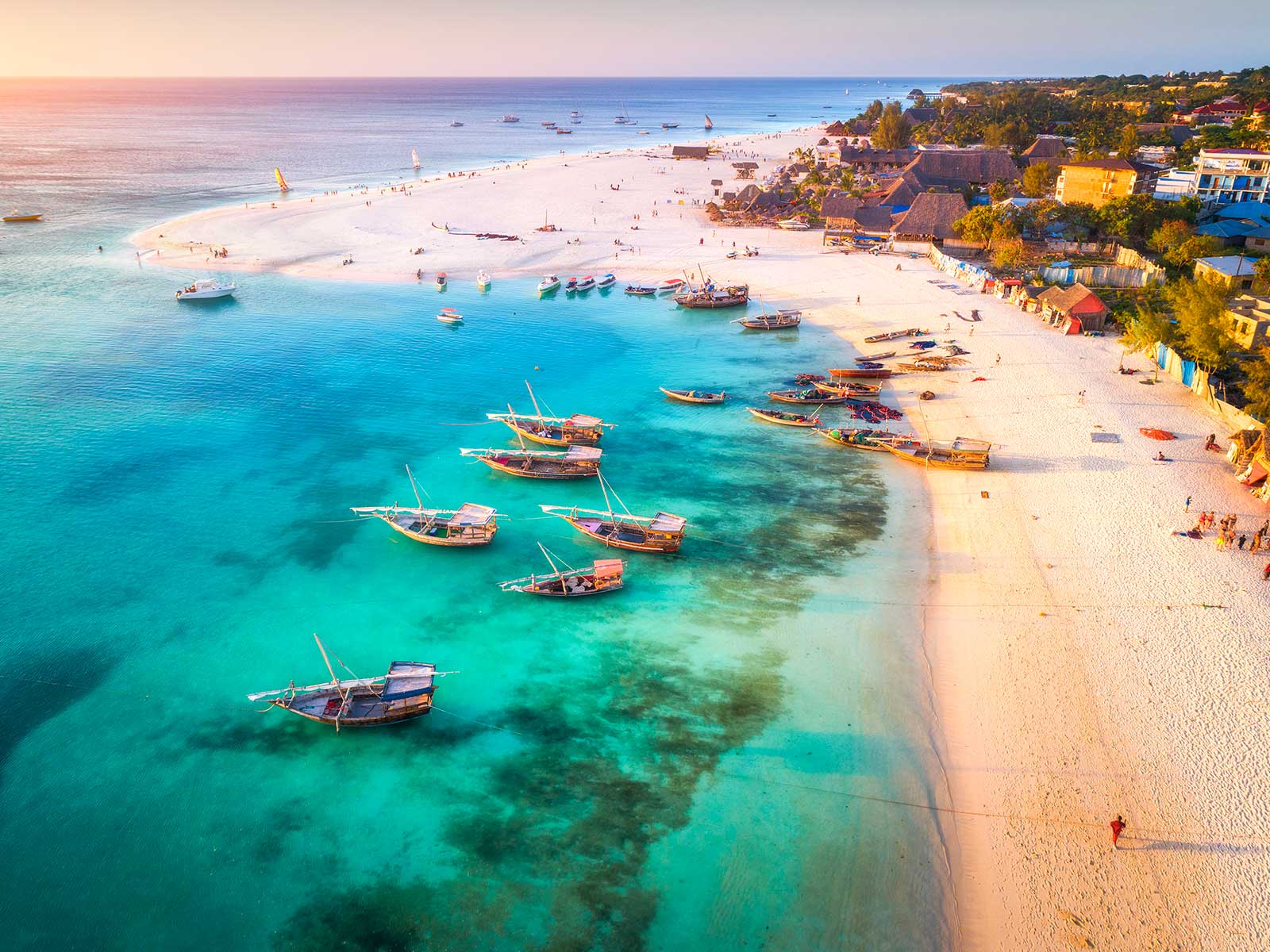
Beyond the immediate confines of Stone Town, many historical and natural attractions are easily accessible. Consider a short boat trip to Prison Island to see giant tortoises and learn about its intriguing past, or venture to Nakupenda Beach for a pristine sandbank experience. For those seeking more of Zanzibar's natural beauty, the island also offers stunning beaches like Kendwa beach,Nungwi beach, or Paje Beach, and unique wildlife encounters in Jozani Forest.
To truly appreciate the depth of Stone Town's heritage, consider hiring a local guide. Their insights can unlock hidden stories and help you navigate the intricate pathways, ensuring you don't miss any of its countless treasures.
From its humble beginnings as a trading outpost to its zenith as the capital of a powerful sultanate and its present-day status as a cherished UNESCO site,Stone Town is a living testament to Zanzibar's extraordinary past. Its unique blend of cultures, its resilient spirit, and its timeless beauty continue to captivate all who wander through its historic heart.