
Scuba Diving in Zanzibar: Top Sites, Marine Life & Best Dive Centers
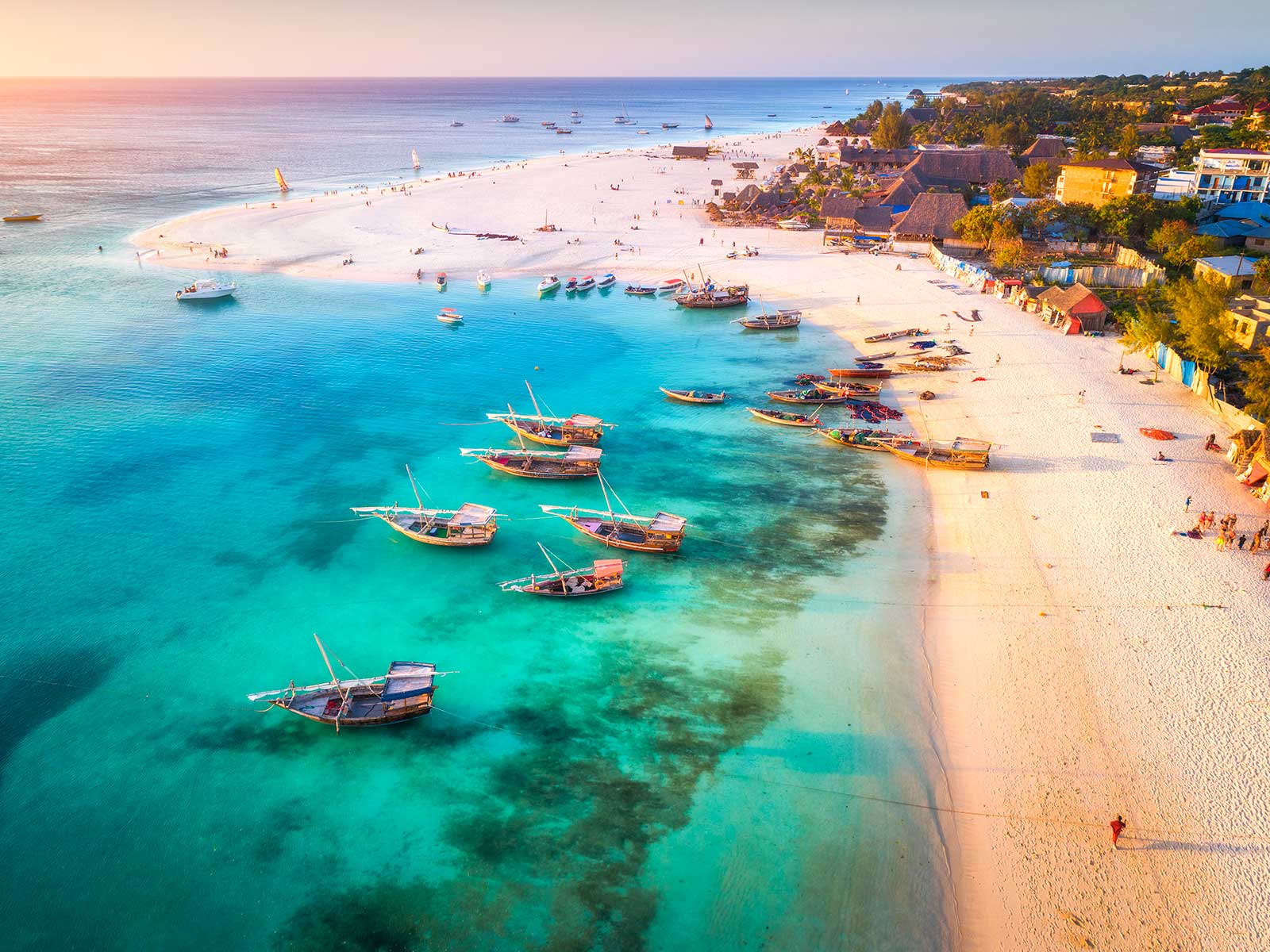
Zanzibar, the Spice Island, isn't just about pristine beaches and rich culture; it's a world-class scuba diving destination. Beneath its turquoise waters lies an underwater paradise teeming with vibrant coral reefs, diverse marine life, and fascinating wrecks, offering unforgettable experiences for divers of all levels.
Why Dive in Zanzibar?
The waters surrounding Zanzibar are part of the Indian Ocean, renowned for their warmth and clarity. Divers can expect excellent visibility, often exceeding 20-30 meters, and comfortable water temperatures ranging from 25°C to 29°C year-round. This tropical haven boasts an incredible biodiversity, making every dive a discovery.
Best Time to Dive in Zanzibar
While diving is possible year-round, Zanzibar experiences two main dry seasons that offer optimal conditions:July to AugustandNovember to March. During these periods, the seas are calmer, and visibility is at its best. The monsoon seasons (April-May and September-October) can bring stronger winds and reduced visibility, though diving is still offered by many centers, particularly in sheltered areas.
Top Dive Sites in Zanzibar
Mnemba Atoll: A Diver's Paradise
Undoubtedly Zanzibar's most famous diving hotspot,Mnemba Atoll is a protected marine conservation area located off the northeast coast near Matemwe beach. This private island and its surrounding reefs offer spectacular diving and snorkeling opportunities, consistently ranking among Africa's top dive sites. Expect pristine coral gardens, walls, and drop-offs teeming with life.
- Kichwani:Famous for its wall dive, Kichwani drops to over 30 meters and is home to large pelagic fish like barracuda, trevally, and various reef sharks. You'll also encounter green turtles, moray eels, and vibrant nudibranchs.
- Wattabomi:A gently sloping reef perfect for both beginners and experienced divers. Wattabomi is celebrated for its abundant hard and soft corals, frequented by schools of snapper, parrotfish, triggerfish, and often bottlenose dolphins.
- Aquarium:True to its name, this site is like swimming in a giant aquarium. It's shallower, making it ideal for macro photography and observing smaller reef inhabitants like clownfish, frogfish, and leafy scorpionfish.
Northern Zanzibar: Leven Bank & Tumbatu Island
The northern tip of Zanzibar, particularly around Nungwi beach and Kendwa beach, offers a mix of challenging and serene dive sites.
- Leven Bank:For experienced divers, Leven Bank is an exhilarating deep dive (30-55m) in open ocean. Strong currents often sweep through, attracting large pelagics such as kingfish, tuna, giant trevally, and occasionally hammerhead sharks. The topography is rugged, with dramatic rock formations.
- Tumbatu Island:Located west of Nungwi, Tumbatu offers a series of shallower reefs (12-18m) that are excellent for all levels. The healthy corals are home to a myriad of reef fish, octopuses, cuttlefish, and sometimes reef sharks.
Eastern & Southern Coasts: Paje, Bwejuu & Menai Bay
The eastern side, near Paje Beach and Bwejuu beach, provides access to vibrant reefs that are less frequented than those further north, offering a more secluded experience. Further south, the Menai Bay Conservation Area, though not linked directly, is a notable region for its protected marine ecosystem, ideal for dolphin encounters and tranquil dives.
Stone Town Wrecks: A Glimpse into History
Off the coast of Stone Town, several fascinating wrecks provide unique diving experiences, blending history with marine exploration. These sites are typically shallower and accessible to most divers.
- Great Northern:An old British steamship sunk in 1897, this wreck lies at around 12 meters, making it a perfect penetration dive for advanced divers and a fascinating site for all. It's now an artificial reef, bustling with lionfish, groupers, and moray eels.
- Bawe Island Wreck:Also known as the "H.M.S. Vulture" or "The Pinnacles," this former cable layer sank in 1913. Lying in 12-18 meters of water, it's covered in soft corals and hosts an incredible array of reef fish, including triggerfish, angelfish, and numerous macro critters.
Diving Tip:Always dive with a reputable, accredited dive center. They ensure safety and provide valuable local knowledge about conditions and marine life.
Zanzibar's Diverse Marine Life
Zanzibar's reefs are a kaleidoscope of colors, home to an astonishing array of marine species. Every dive promises new encounters:
- Reef Fish:Expect to see schools of colorful parrotfish, triggerfish, butterflyfish, angelfish, snapper, and fusiliers.
- Pelagics:Barracuda, kingfish, tuna, trevally, and various species of reef sharks (blacktip, whitetip, grey reef) are common.
- Turtles:Green sea turtles and hawksbill turtles are frequently spotted gracefully gliding through the water.
- Rays:Blue-spotted stingrays, eagle rays, and sometimes manta rays can be seen.
- Macro Life:Nudibranchs, frogfish, ghost pipefish, seahorses, and various crustaceans delight macro photographers.
- Dolphins:Pods of bottlenose and spinner dolphins are often encountered, especially around Mnemba Atoll and the southern coast.
- Seasonal Visitors:From October to January, lucky divers might spot magnificent whale sharks, while humpback whales migrate through the waters between July and October.
Choosing the Best Dive Centers in Zanzibar
Selecting the right dive center is crucial for a safe and enjoyable experience. Look for centers that prioritize safety, professionalism, and environmental responsibility.
- Accreditation:Ensure the dive center is affiliated with recognized international organizations like PADI, SSI, or CMAS. This guarantees adherence to global safety and training standards.
- Safety Record & Equipment:Inquire about their safety protocols, emergency procedures, and the maintenance of their equipment. Well-maintained gear is non-negotiable.
- Experienced & Certified Staff:Look for instructors and divemasters with local knowledge and valid certifications. Multilingual staff can also be a plus.
- Group Sizes:Smaller group sizes often mean a more personalized and safer diving experience.
- Eco-friendly Practices:Many centers in Zanzibar are committed to marine conservation. Choose one that supports sustainable diving practices, such as no-touch policies and reef preservation efforts.
- Location:Dive centers are concentrated in popular tourist areas like Nungwi beach,Kendwa beach,Matemwe beach,Paje Beach, and Stone Town, offering convenient access to various dive sites.
Diving for All Levels: From Beginners to Pros
Zanzibar caters to every level of diver:
- Beginners:If you've never dived before, a Discover Scuba Diving experience is a great way to try it out under direct supervision. For a certification, the PADI Open Water Diver course typically takes 3-4 days.
- Certified Divers:Explore a vast array of dive sites. Advanced Open Water courses and various specialty courses (e.g., Deep Diver, Wreck Diver, Underwater Photography) are also widely available.
- Snorkelers:Many dive trips also welcome snorkelers, especially to sites like Mnemba Atoll, offering a chance to experience the vibrant reefs from the surface.
Beyond the Dive: Exploring Zanzibar's Charms
Zanzibar offers so much more than just diving. On your surface intervals or non-diving days, take time to explore the island's rich culture and natural beauty.
- Wander through the labyrinthine alleys of historic Stone Town, a UNESCO World Heritage site, and visit landmarks like the House of Wonders.
- Take a boat trip to Prison Island to see giant Aldabra tortoises.
- Discover the exotic aromas and flavors of a Spice Farms tour.
- Relax on stunning beaches like Nakupenda Beach,Nungwi beach, or Kendwa beach.
- Visit the unique Red Colobus monkeys in Jozani Forest.
- Enjoy a meal at the iconic The Rock Restaurant or interact with rescued wildlife at Cheetah's Rock.
Important Safety Tips for Divers
- Dive Insurance:Always have comprehensive travel insurance that covers scuba diving emergencies, including recompression chamber treatment.
- Dive Computer:Use a personal dive computer to monitor your depth and bottom time.
- Buoyancy Control:Practice good buoyancy to protect the delicate coral reefs and conserve your air.
- No Fly Time:Allow at least 18-24 hours after your last dive before flying or ascending to high altitudes.
- Hydration:Drink plenty of water before and after your dives to prevent dehydration.
Scuba diving in Zanzibar is an extraordinary adventure, offering a blend of stunning underwater landscapes, incredible marine biodiversity, and a rich cultural experience above the surface. Whether you're a seasoned diver or just starting, Zanzibar's warm, clear waters promise an unforgettable journey into the Indian Ocean's depths.