
Kitesurfing in Zanzibar: Best Spots and Seasons
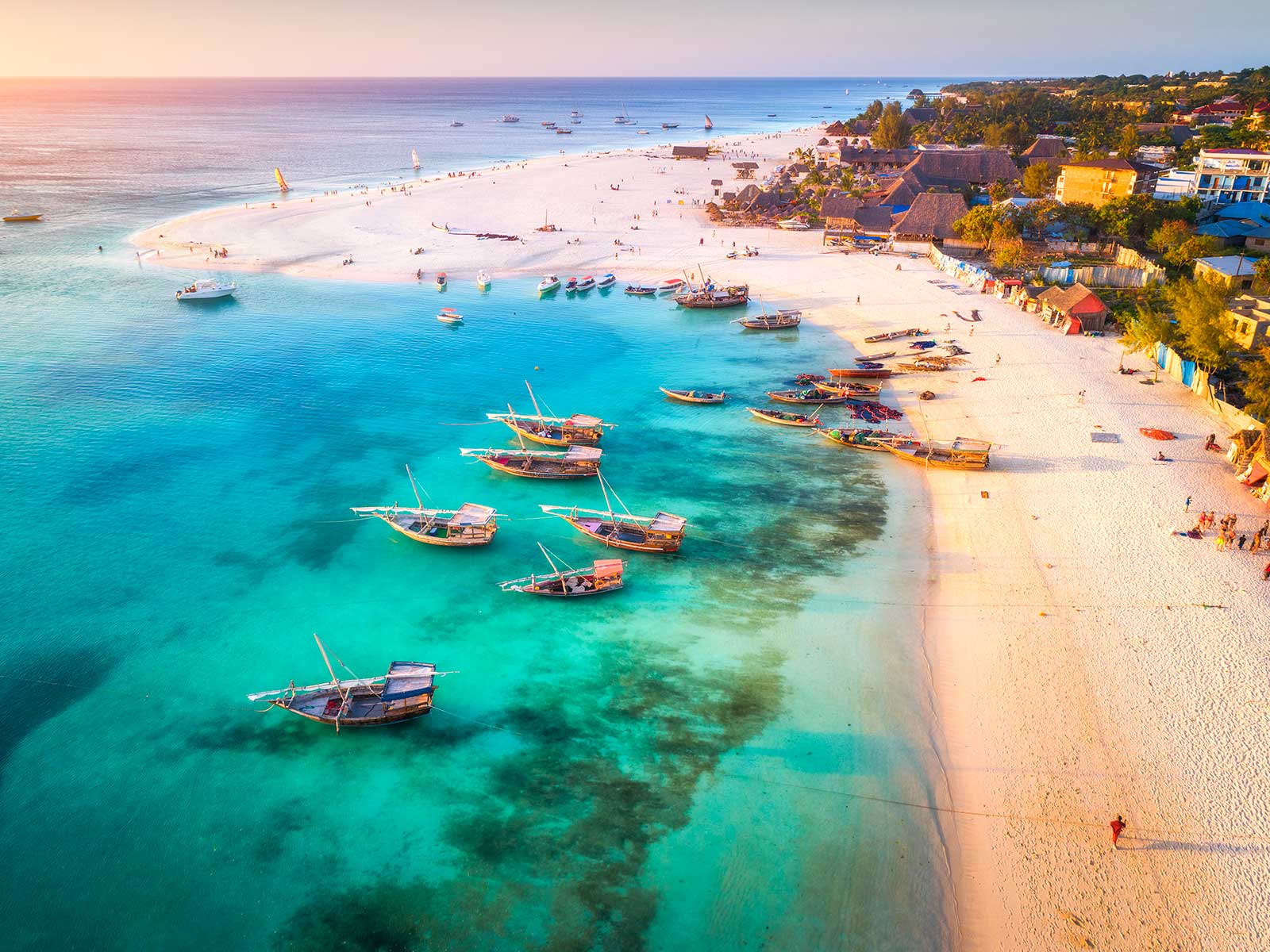
Zanzibar, with its pristine turquoise waters and consistent trade winds, has emerged as a premier destination for kitesurfers worldwide. Whether you're a seasoned pro or eager to learn, this tropical paradise offers ideal conditions and breathtaking scenery for an unforgettable kitesurfing adventure.
Why Zanzibar is a Kitesurfing Paradise
The allure of kitesurfing in Zanzibar lies in its unique combination of natural elements. The island boasts vast, shallow lagoons protected by coral reefs, providing butter-flat water perfect for both beginners and freestyle enthusiasts. The warm Indian Ocean waters mean no need for thick wetsuits, and the reliable monsoon winds ensure plenty of thrilling sessions. Beyond the perfect conditions, Zanzibar offers a vibrant culture, stunning beaches, and a relaxed atmosphere, making it more than just a kitesurfing trip – it's an immersive island experience.
Understanding Zanzibar's Kitesurfing Seasons
Zanzibar experiences two distinct windy seasons, driven by the monsoon winds, making it a year-round kitesurfing destination with specific peak times.
Kaskazi (North-East Monsoon): The Summer Winds (December - February)
This season brings winds predominantly from the north-east, typically ranging from 12 to 20 knots. The Kaskazi winds are generally lighter and more consistent, making them ideal for:
- Beginners:Learning in stable, predictable conditions.
- Freeriders:Enjoying long glides across the flat lagoons.
- Foilers:The lighter winds are often perfect for hydrofoiling.
While often sunny and warm, occasional short rains can occur, though they rarely impact kitesurfing sessions significantly.
Kusi (South-East Monsoon): The Winter Winds (June - September)
The Kusi season is characterized by stronger and more consistent winds blowing from the south-east, typically between 15 and 25 knots, sometimes reaching higher. This period is particularly favored by:
- Intermediate to Advanced Riders:Who enjoy powerful rides and jumping.
- Wave Riders:As the stronger winds can create more significant swell further out on the reef.
This season generally coincides with cooler, drier weather, offering a refreshing contrast to the intense heat of the Kaskazi season.
Shoulder Seasons and Calm Periods (March-May, October-November)
Outside of the two main monsoon seasons, Zanzibar experiences shoulder periods with less consistent winds. While you might still get some kitesurfing days, the wind isn't as reliable. These periods are excellent for exploring other facets of the island, enjoying calmer waters for snorkeling or diving, or simply relaxing on the beach.
During shoulder seasons, consider exploring Zanzibar's rich history in Stone Town, embarking on a spice farm tour, or visiting Jozani Forest to see the red colobus monkeys.
Top Kitesurfing Spots in Zanzibar
Zanzibar's east coast is the heart of its kitesurfing scene, offering a variety of spots to suit different skill levels and preferences.
Paje Beach: The Kitesurfing Hub
Paje Beach is arguably the most famous kitesurfing spot in Zanzibar, and for good reason. Its vast, shallow lagoon, protected by a barrier reef, creates an expansive area of flat, warm water perfect for learning and perfecting tricks. Paje is home to numerous kitesurfing schools, rental shops, and accommodations, fostering a vibrant, social atmosphere.
- Suitability:Excellent for beginners due to the shallow, flat water. Also fantastic for intermediate and advanced riders for freestyle, freeride, and foiling.
- Conditions:Consistent cross-onshore winds during both Kaskazi and Kusi seasons.
Jambiani: Tranquil Kitesurfing
Just south of Paje, Jambiani offers similar conditions but with a more laid-back and authentic village vibe. It's less crowded than Paje, making it a great option for those seeking a quieter experience while still enjoying excellent wind and water conditions.
- Suitability:Ideal for intermediate riders looking for space, or advanced riders seeking a more serene environment. Some schools operate here.
- Conditions:Similar to Paje, with a large, shallow lagoon.
Matemwe Beach: Northern Winds and Reef Breaks
Located on the northeast coast,Matemwe Beach offers a different kitesurfing experience, particularly during the Kaskazi (north-east) season when it benefits from direct onshore winds. While the lagoon here is also shallow, the proximity to the reef means more potential for small waves, appealing to those looking for a bit of a challenge beyond flat water.
- Suitability:Best for experienced riders comfortable with reef conditions and potential waves.
- Conditions:Excellent for Kaskazi winds. Less consistent during Kusi.
From Matemwe, you're also perfectly positioned for a day trip to Mnemba Atoll, renowned for its spectacular snorkeling and diving, a perfect non-windy day activity.
Kendwa & Nungwi (Northern Beaches): Less Consistent, More Relaxed
While stunningly beautiful, the northern beaches like Kendwa beach and Nungwi beach are generally less reliable for kitesurfing due to their geographical orientation. The winds tend to be more offshore or less consistent here, making them better suited for other water sports, sunset cruises, or simply enjoying the vibrant beach life.
- Suitability:Not primary kitesurfing spots, but possible on very windy days for experienced riders. Best for other activities.
Essential Tips for Kitesurfing in Zanzibar
Choosing the Right School and Gear
If you're new to kitesurfing or looking to improve, opt for anIKO (International Kitesurfing Organization) certified school. These schools adhere to international safety and teaching standards. Most schools offer lessons, rentals, and gear storage. If bringing your own gear, be mindful of airline baggage allowances. Typical kite sizes for an average rider in Zanzibar range from 9m to 12m, but conditions can vary.
Safety First
The shallow lagoons are generally safe, but always wearreef shoesto protect against coral fragments, sea urchins, and stonefish. Apply plenty of high-SPFsunscreen, wear a rash guard, and stay hydrated. Be aware of the tides, as low tide can expose more reef and make launching/landing challenging. Always inform your school or a buddy if you're heading out.
Beyond the Board: Other Activities
Zanzibar offers a wealth of experiences for non-windy days or when you need a break from the board:
- Explore the UNESCO World Heritage site of Stone Town with its labyrinthine alleys and historical architecture. Don't miss the House of Wonders.
- Visit Prison Island to see giant tortoises and learn about its intriguing history.
- Take a boat trip to Nakupenda Beach for pristine sandbanks and snorkeling.
- Enjoy a unique dining experience at The Rock Restaurant.
- Spot the rare red colobus monkeys at Jozani Forest.
- Discover the diverse wildlife at Cheetah's Rock, an animal rescue and conservation center.
What to Pack for Your Kitesurfing Trip
- Reef shoes:Non-negotiable for protection.
- High SPF sunscreen and rash guard:Essential for sun protection.
- Hat and sunglasses:To shield from the tropical sun.
- Lightweight, quick-drying clothing:For comfort on and off the water.
- Insect repellent:Especially for evenings.
- Basic first-aid kit:Including antiseptic wipes and plasters.
- Travel adapter:For charging your devices.
- Waterproof bag:For essentials on the beach.
- Kite repair kit:If bringing your own gear.
Conclusion
Zanzibar truly offers an unparalleled kitesurfing experience, blending world-class wind and water conditions with rich culture and stunning natural beauty. With its reliable monsoon seasons and diverse range of spots like Paje and Matemwe, there's something for every level of rider. Plan your trip according to the wind seasons, embrace the island's charm, and get ready for an unforgettable adventure on the Indian Ocean waves.