
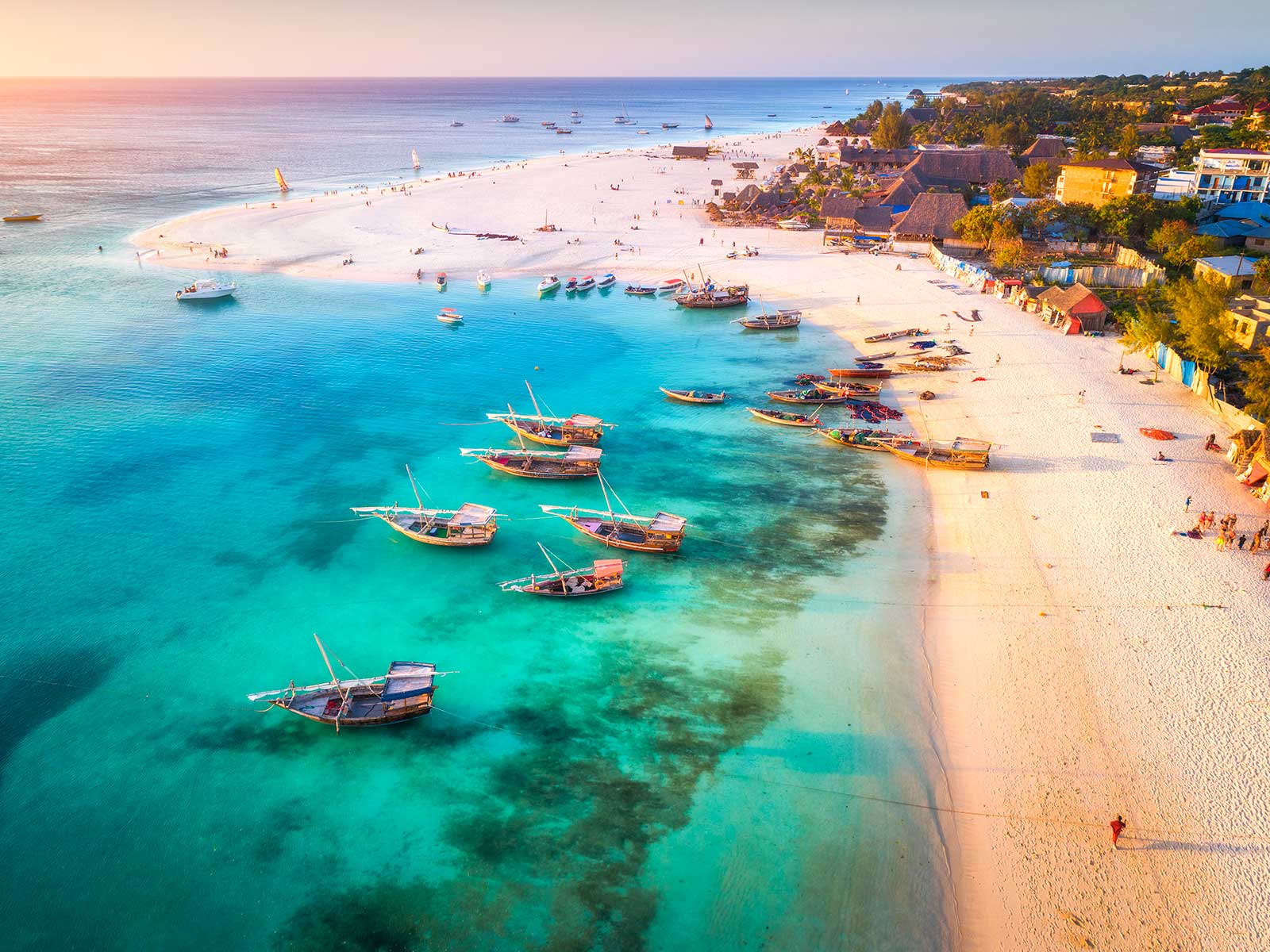
Is Zanzibar Safe to Visit? Essential Travel Safety Tips
Zanzibar, the Spice Island, beckons with its pristine beaches, rich history, and vibrant culture. As you plan your dream escape to this East African jewel, a common question arises:Is Zanzibar safe to visit?The short answer is generally yes, but like any travel destination, a safe and enjoyable trip requires awareness, preparation, and adherence to local customs.
Overall Safety in Zanzibar
Zanzibar is widely considered a safe destination for tourists. The local population is known for its hospitality and warmth towards visitors. Crime rates are relatively low compared to many other tourist hotspots, and serious violent crime against tourists is rare. However, petty crime, such as pickpocketing and bag snatching, can occur, particularly in crowded areas. By taking sensible precautions and respecting local norms, you can significantly minimize any risks.
Common Safety Concerns & How to Mitigate Them
Petty Crime
The most common issue tourists might encounter is petty theft. This is especially true in bustling areas like the narrow alleys of Stone Town or busy markets.
- Secure Valuables:Keep your passport, large sums of cash, and other important documents in a secure, concealed money belt or safe at your accommodation.
- Be Discreet:Avoid openly displaying expensive jewelry, cameras, or large amounts of cash. Make your phone less accessible when not in use.
- Bag Awareness:Keep bags zipped and worn across your body, especially in crowded places. Be mindful of your surroundings.
Travel Tip:When exploring Stone Town, consider leaving non-essential valuables at your hotel. A small day bag with just what you need for the day is ideal.
Water Safety
Zanzibar's stunning coastlines, including popular spots like Nungwi beach,Kendwa beach, and Paje Beach, offer incredible swimming, snorkeling, and diving opportunities. However, water safety is paramount.
- Reputable Operators:For boat trips (e.g., to Prison Island or Mnemba Atoll) or water sports, always choose well-established and highly-rated tour operators.
- Life Jackets:Ensure life jackets are provided and worn, especially for non-swimmers or on open water excursions.
- Tides:Be aware of strong ocean currents and significant tidal changes, particularly on beaches like Matemwe beach or Bwejuu beach, which can dramatically alter water depth.
- Hydration:Stay hydrated, especially when spending long hours in the sun and water.
Food and Waterborne Illnesses
"Traveller's diarrhoea" is a common complaint for visitors to new countries. Preventative measures are key.
- Drink Bottled Water:Tap water in Zanzibar is generally not safe for drinking. Stick to sealed bottled water or filtered water. Use bottled water for brushing teeth as well.
- Food Choices:Eat only thoroughly cooked food, fruits you can peel yourself, and vegetables that have been cooked. Be cautious with street food unless it's freshly prepared and piping hot.
- Hand Hygiene:Wash your hands frequently with soap and water or use an alcohol-based hand sanitizer, especially before eating.
Scams and Touts
While generally friendly, some locals may approach tourists with offers for tours, goods, or services. Be polite but firm if you're not interested.
- Negotiate Prices:Always agree on a price before accepting a service (e.g., taxi, souvenir) to avoid disputes later.
- Overly Friendly Strangers:Be wary of strangers who approach you with unusual stories or try to draw you into complicated situations.
- Official Guides:When visiting sites like Spice Farms or Jozani Forest, use official, licensed guides arranged through your hotel or a reputable tour company.
Nighttime Safety
While Zanzibar's nightlife is generally relaxed, particularly in resort areas, it's wise to exercise caution after dark.
- Avoid Walking Alone:Especially in unlit or unfamiliar areas, or the maze-like streets of Stone Town.
- Use Taxis:Opt for registered taxis arranged by your hotel, particularly at night.
- Stay Aware:Be mindful of your surroundings and avoid excessive alcohol consumption, which can impair judgment.
Cultural Sensitivity & Local Customs
Zanzibar is predominantly Muslim. Respecting local customs is not only a sign of courtesy but also contributes significantly to your personal safety and a positive experience.
- Dress Modestly:When outside of resorts, especially in towns and villages, women should cover their shoulders and knees. Men should avoid going shirtless. This is particularly important in Stone Town and during visits to religious sites or local markets.
- Public Displays of Affection:Keep public displays of affection to a minimum.
- Photography:Always ask for permission before taking photos of people.
- Ramadan:If visiting during the holy month of Ramadan, be aware that many locals will be fasting. Eating, drinking, and smoking in public during fasting hours should be done discreetly.
Health & Medical Preparedness
Being prepared for health concerns is a crucial aspect of safe travel.
- Consult Your Doctor:Before your trip, speak to your doctor about recommended vaccinations (e.g., Yellow Fever, Hepatitis A/B, Typhoid, Tetanus) and malaria prophylaxis. Zanzibar is a malaria-risk area.
- Malaria Prevention:Take prescribed antimalarial medication, use insect repellent (containing DEET), wear long sleeves and pants at dusk and dawn, and sleep under mosquito nets if not in an air-conditioned room.
- Sun Protection:The equatorial sun is intense. Use high-SPF sunscreen, wear a wide-brimmed hat, sunglasses, and seek shade during peak hours.
- Travel Insurance:Comprehensive travel insurance that covers medical emergencies, evacuation, and trip cancellations is highly recommended.
- First-Aid Kit:Carry a basic first-aid kit with essentials like pain relievers, bandages, antiseptic wipes, and any personal medications.
Transportation Safety
Navigating Zanzibar's roads can be an adventure in itself.
- Taxis vs. Dala-dalas:Taxis are generally safer and more comfortable for tourists, especially for longer distances or at night. Dala-dalas (local minibuses) are very cheap but often overcrowded and less safe.
- Renting Vehicles:If you plan to rent a scooter or car, ensure you have an international driving permit and are comfortable with left-hand driving on sometimes poorly maintained roads. Always wear a helmet on a scooter.
- Reputable Drivers:For excursions to places like The Rock Restaurant or Cheetah's Rock, arrange transport through your hotel or a trusted tour operator.
Emergency Contacts
Know who to call in an emergency:
- Police:112 (local number)
- Ambulance:112 (local number)
- Your Embassy/Consulate:Keep their contact details handy.
- Hotel:Inform your accommodation of any issues.
Specific Location Tips
- Stone Town:The labyrinthine alleys are part of its charm. Consider hiring a licensed local guide to navigate and learn about its history, including landmarks like the House of Wonders. Be extra vigilant about your belongings in crowded markets.
- Beaches (Nungwi beach,Kendwa beach,Paje Beach,Nakupenda Beach, etc.):While generally safe, avoid leaving valuables unattended on the sand. Be aware of beach touts offering tours or goods; politely decline if not interested.
- Excursions (Prison Island,Spice Farms,Jozani Forest,Cheetah's Rock,Mnemba Atoll):Always book through reputable tour operators or your hotel to ensure safety standards and fair pricing.
Conclusion
Zanzibar offers an unforgettable experience, and for the vast majority of visitors, it is a safe and welcoming destination. By exercising common sense, respecting local culture, preparing for health considerations, and being aware of your surroundings, you can enjoy all the magic this beautiful island has to offer with peace of mind. Embrace the "pole pole" (slowly, slowly) pace of life, and you'll find Zanzibar to be an incredibly rewarding place to explore.