
Exploring Stone Town Zanzibar: A Comprehensive Visitor's Guide
Step back in time as you wander through the labyrinthine alleys of Stone Town, a UNESCO World Heritage site and the cultural heart of Zanzibar. This historic city offers a captivating blend of Arabian, Indian, African, and European influences, evident in its architecture, cuisine, and vibrant street life. Prepare to be enchanted by its rich history and unique charm.
A Glimpse into Stone Town's Rich History
Stone Town, known locally as Mji Mkongwe (Swahili for "old town"), is an exceptional example of a Swahili trading town. Its history is deeply intertwined with the spice trade and, regrettably, the slave trade. For centuries, it served as a bustling port, drawing merchants and adventurers from across the globe. The architecture reflects this multicultural past, with intricately carved wooden doors, coral stone houses, and grand colonial buildings lining every street.
UNESCO recognizes Stone Town of Zanzibar as "an outstanding example of a Swahili trading town on the East African coast. It retains its urban fabric and townscape virtually intact and contains many fine buildings that reflect its particular culture, which has brought together and harmonized disparate elements of the cultures of Africa, the Arab region, India, and Europe over more than a millennium."
Navigating the Maze: Getting Around Stone Town
The best way to experience Stone Town is on foot. Its narrow, winding alleys are not designed for vehicles, and getting lost is part of the adventure – often leading to delightful discoveries. For excursions beyond the immediate town, local taxis ordala-dalas(local minibuses) are readily available. Consider hiring a local guide for your first few hours to help you orient yourself and provide historical context.
Must-See Attractions and Experiences
Historical Landmarks and Architecture
- The House of Wonders(Beit-al-Ajaib):Once a ceremonial palace for the Sultan of Zanzibar, it was the first building in Zanzibar to have electricity and an elevator. While currently undergoing extensive renovation, its impressive facade remains a significant landmark.
- The Old Fort (Ngome Kongwe):Built by the Omani Arabs in the late 17th century to defend against the Portuguese, it's the oldest building in Stone Town. Today, it hosts cultural events, craft shops, and a vibrant open-air theatre.
- Forodhani Gardens:As evening approaches, this waterfront park transforms into a bustling open-air food market. It's an essential experience for sampling local street food, from freshly grilled seafood skewers to Zanzibar pizzas.
- Former Slave Market and Anglican Cathedral:A poignant reminder of Zanzibar's dark past, this site offers a sobering insight into the history of the East African slave trade. The cathedral was built on the site of the former whipping post.
- Sultan's Palace Museum (Beit el-Sahel):Originally built for the Sultan's family, this museum provides a glimpse into the lives of Zanzibar's royal family, showcasing their furniture, clothing, and other personal effects.
- Zanzibar Doors:Keep an eye out for the exquisite carved wooden doors that adorn many buildings. These doors, often dating back centuries, are a hallmark of Stone Town's architecture, each telling a story through its unique patterns and brass studs.
Cultural Immersion and Local Life
- Darajani Market:Dive into the vibrant chaos of the main market, where locals trade fresh produce, fish, spices, and household goods. It's a sensory overload in the best possible way.
- Spice Tours:Explore the island's aromatic heritage with a guided tour of a Spice Farm. Learn about the cultivation of cloves, nutmeg, cinnamon, and other exotic spices that earned Zanzibar its "Spice Island" moniker.
- Shopping for Local Crafts:The labyrinthine alleys are brimming with small shops selling everything from intricate wood carvings and Tinga Tinga paintings to colourful fabrics and locally blended perfumes. Remember to haggle respectfully.
Beyond Stone Town: Popular Day Trips
While Stone Town itself offers days of exploration, its central location makes it an ideal base for discovering other parts of Zanzibar. Many tours depart directly from the Stone Town harbour or can be arranged through local operators.
- Prison Island(Changuu Island):A short boat ride away, this island is home to a sanctuary for giant Aldabra tortoises and offers opportunities for swimming and snorkeling.
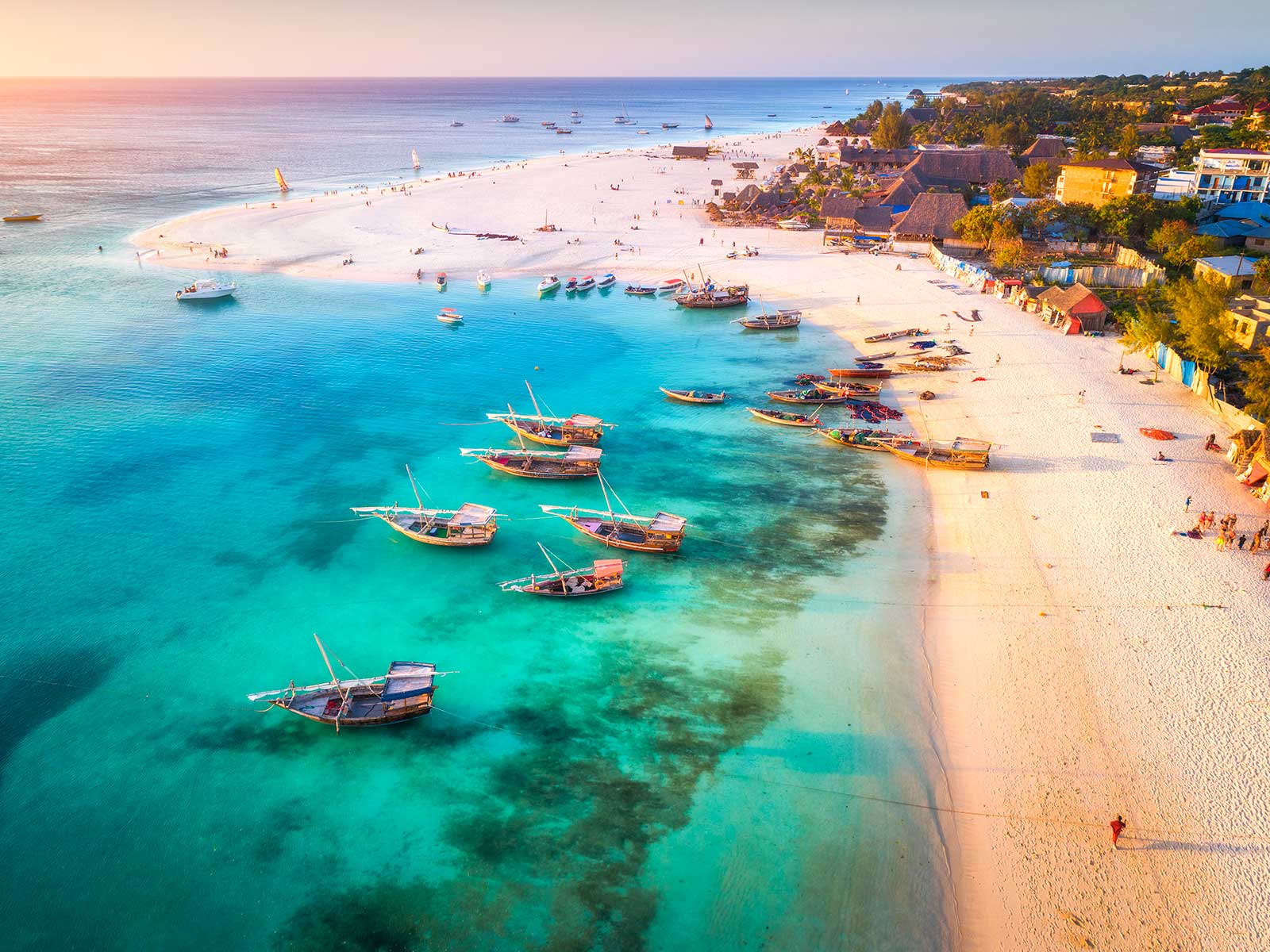
- Nakupenda Beach:Often combined with a Prison Island trip, this dazzling white sandbank appears and disappears with the tides, offering a pristine spot for sunbathing and swimming in crystal-clear waters.
- Jozani Forest:Venture inland to witness the rare and endemic Red Colobus monkeys in their natural habitat. It's a vital conservation area and a refreshing escape into nature.
- Northern Beaches:For a change of pace, consider a day trip to the northern tip of the island, where you'll find stunning beaches like Nungwi beach and Kendwa beach, known for their vibrant atmosphere and spectacular sunsets.
Dining in Stone Town
Stone Town's culinary scene is a delightful reflection of its diverse heritage. From casual street food to elegant rooftop dining, there's something for every palate.
- Forodhani Gardens:As mentioned, this is a must-do for an authentic street food experience after sunset.
- Rooftop Restaurants:Many hotels and guesthouses boast rooftop restaurants offering panoramic views of the city and the Indian Ocean, perfect for a romantic dinner.
- Local Cafes:Explore hidden cafes serving strong Zanzibari coffee, fresh juices, and light bites.
Practical Tips for Your Visit
- Dress Code:Zanzibar is predominantly Muslim. When exploring Stone Town, it's respectful to dress modestly, covering shoulders and knees, especially when visiting religious sites or local markets.
- Stay Hydrated:The tropical climate can be hot and humid. Carry bottled water with you at all times.
- Footwear:Comfortable walking shoes are essential for navigating the uneven cobblestone streets.
- Safety:Stone Town is generally safe, but it's always wise to be aware of your surroundings, especially at night. Consider walking with a companion or taking a taxi if venturing further afield after dark.
- Bargaining:Haggling is common in local markets. Do so politely and with a smile.
- Best Time to Visit:The dry seasons (June to October and December to February) offer the most pleasant weather for exploring.
Stone Town is more than just a destination; it's an experience that awakens the senses and transports you through centuries of history. Its captivating blend of cultures, historic architecture, and vibrant local life promises an unforgettable journey into the heart of Zanzibar.