
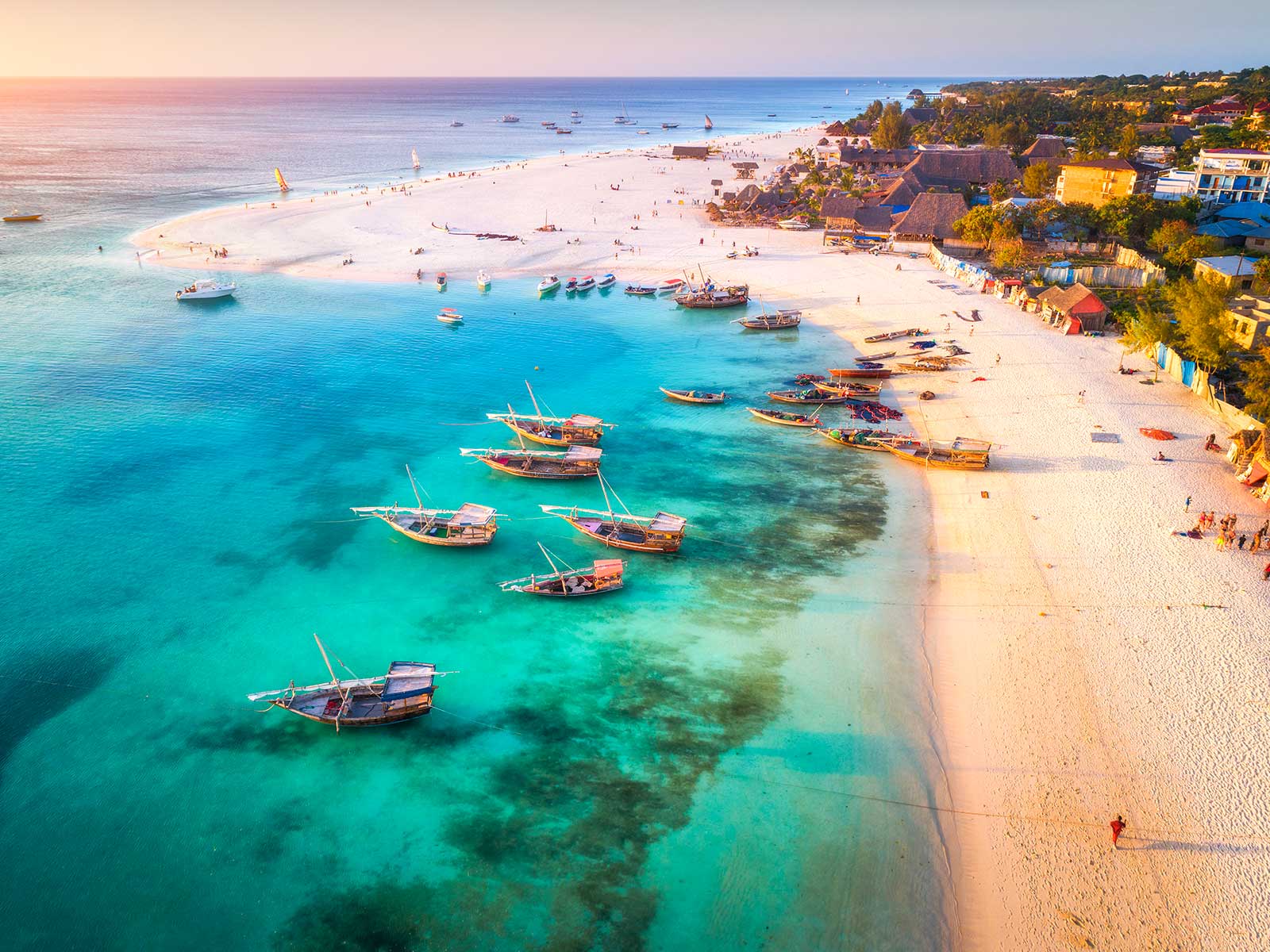
Best Time to Visit Zanzibar: Weather, Activities & More
Zanzibar, the Spice Island, beckons travelers with its pristine beaches, rich history, and vibrant culture. To make the most of your tropical escape, understanding the island's distinct seasons and how they impact weather and activities is key. This comprehensive guide will help you pinpoint the ideal time for your unforgettable Zanzibar adventure.
Understanding Zanzibar's Climate
Zanzibar experiences a tropical climate, characterized by warm temperatures year-round and two main rainy seasons separated by two dry seasons. Temperatures generally hover between 25°C and 32°C (77°F to 90°F), with humidity varying throughout the year. The island's proximity to the equator means there's little fluctuation in daylight hours, with sunrise and sunset consistently around 6:30 AM and 6:30 PM, respectively.
The Dry Seasons (Peak Travel Time)
These periods are generally considered the best time to visit Zanzibar due to their consistent sunshine and pleasant conditions.
June to October: The Long Dry Season
This is Zanzibar's longest and most popular dry season, offering consistently clear skies, lower humidity, and cooler temperatures (averaging 25-28°C / 77-82°F). The ocean is calm, with excellent visibility for marine activities.
- Weather:Expect abundant sunshine, gentle breezes, and minimal rainfall. This is the coolest time of year, making it comfortable for exploring.
- Activities:
- Beach & Water Sports:Perfect for relaxing on stunning shores like Kendwa beach,Nungwi beach,Paje Beach, or the secluded Matemwe beach. Diving and snorkeling conditions are superb, especially around the vibrant coral reefs of Mnemba Atoll.
- Exploration:Ideal for wandering the labyrinthine alleys of Stone Town, visiting the historical House of Wonders, or taking a trip to Prison Island to see giant tortoises.
- Wildlife:Enjoy walks through Jozani Forest to spot red colobus monkeys.
- Crowds & Vibe:As the peak season, expect more tourists and higher demand for accommodations and tours. Booking in advance is highly recommended.
December to February: The Short Dry Season
Following a brief rainy period in November, Zanzibar enjoys another dry spell. This season is hotter and more humid than the June-October period but still offers plenty of sunshine.
- Weather:Hot and sunny, with temperatures often reaching 30-32°C (86-90°F). Humidity is higher, but rainfall is infrequent and typically short-lived afternoon showers.
- Activities:
- Holiday Escape:Popular for Christmas and New Year's holidays, offering a warm festive getaway.
- Marine Life:Excellent for diving, snorkeling, and boat trips to sandbanks like Nakupenda Beach.
- Relaxation:Perfect for lounging on the beautiful beaches of Bwejuu beach or enjoying the unique dining experience at The Rock Restaurant.
- Crowds & Vibe:This is another very popular period, particularly around the holidays, leading to increased visitor numbers and potentially higher prices.
Travel Tip:While the dry seasons are ideal for sunshine, Zanzibar's tropical climate means short, refreshing showers can occur at any time, especially in the late afternoon. Don't let a brief downpour deter your plans!
The Wet Seasons (Shoulder & Low Seasons)
While often overlooked, the wet seasons can offer unique advantages for certain travelers.
March to May: The Long Rainy Season (Masika)
This is Zanzibar's main rainy season, characterized by heavy and consistent rainfall, often in the form of tropical downpours.
- Weather:Expect high humidity and significant rainfall, sometimes lasting for several hours or even days. Temperatures remain warm.
- Pros:
- Fewer Crowds:A significant drop in tourist numbers means a more tranquil experience.
- Lower Prices:Accommodation and tour prices are generally at their lowest.
- Lush Scenery:The island is incredibly green and vibrant, offering beautiful photographic opportunities.
- Cons:Heavy rains can disrupt travel plans, some roads may become challenging, and marine activities might be limited due to rougher seas and reduced visibility.
- Suitable Activities:
- Cultural Immersion:Excellent for exploring Stone Town's museums and markets, taking a Spice Farms tour (the rain makes the scents even more vivid!), and enjoying local cuisine.
- Relaxation:Perfect for a peaceful resort stay with spa treatments and indoor activities.
- Wildlife Viewing:Jozani Forest is still accessible, and the rain brings out the island's natural vibrancy.
November: The Short Rainy Season (Vuli)
This short rainy season is much milder than the Masika, with shorter, more sporadic showers.
- Weather:Warm and humid, with intermittent rain showers, often in the afternoon. Sunshine is still plentiful between the showers.
- Pros:
- Good Value:A shoulder season that offers a balance between fewer crowds and generally good weather.
- Green Landscapes:The island is refreshed and vibrant from the earlier rains.
- Cons:Some days might experience more rain than others, which could impact beach time.
- Suitable Activities:Most activities are still possible, including beach relaxation, cultural tours, and visits to places like Cheetah's Rock(check ahead for specific operating hours).
Activities Throughout the Year
While weather influences certain activities, many of Zanzibar's charms can be enjoyed regardless of the season.
- Cultural Exploration:Stone Town, a UNESCO World Heritage site, is a treasure trove of history, architecture, and markets. Explore its narrow streets, visit the Old Fort, and immerse yourself in the local culture. A visit to a Spice Farms is a sensory delight, available year-round.
- Wildlife Encounters:Discover the unique red colobus monkeys at Jozani Forest or meet the giant Aldabra tortoises on Prison Island. For a truly unique experience, consider a visit to Cheetah's Rock(booking essential).
- Dining Experiences:Indulge in fresh seafood and local delicacies. Don't miss the iconic The Rock Restaurant, perched on a rock in the Indian Ocean, offering stunning views regardless of the season.
- Beach Relaxation & Water Sports:While the dry seasons offer optimal conditions, the stunning beaches like Nungwi beach,Kendwa beach, and Paje Beach are always inviting. Kitesurfing at Paje Beach is particularly popular during the windy season (typically June-September and December-February). Snorkeling and diving around Mnemba Atoll are fantastic during the dry seasons when visibility is at its best.
What to Pack
Regardless of when you visit, light, breathable clothing is essential. Think cotton and linen. Sunscreen, a wide-brimmed hat, sunglasses, and insect repellent are must-haves. If visiting during the wet season, a light rain jacket or umbrella will be useful, along with waterproof bags for electronics.
Deciding Your Ideal Time to Visit
The "best" time ultimately depends on your priorities:
- For perfect beach weather, diving, and snorkeling:Aim for theJune to OctoberorDecember to Februarydry seasons. Be prepared for more crowds and potentially higher prices.
- For budget travel, fewer crowds, and lush scenery:Consider theMarch to Maylong rainy season, understanding that heavy rain can be a factor.
- For a balance of good weather, fewer crowds, and reasonable prices:TheNovembershort rainy season is an excellent shoulder-season option.
Zanzibar is a captivating destination year-round, each season offering its own unique charm. By understanding the island's weather patterns and aligning them with your travel preferences, you can ensure your trip to this East African jewel is nothing short of magical.