
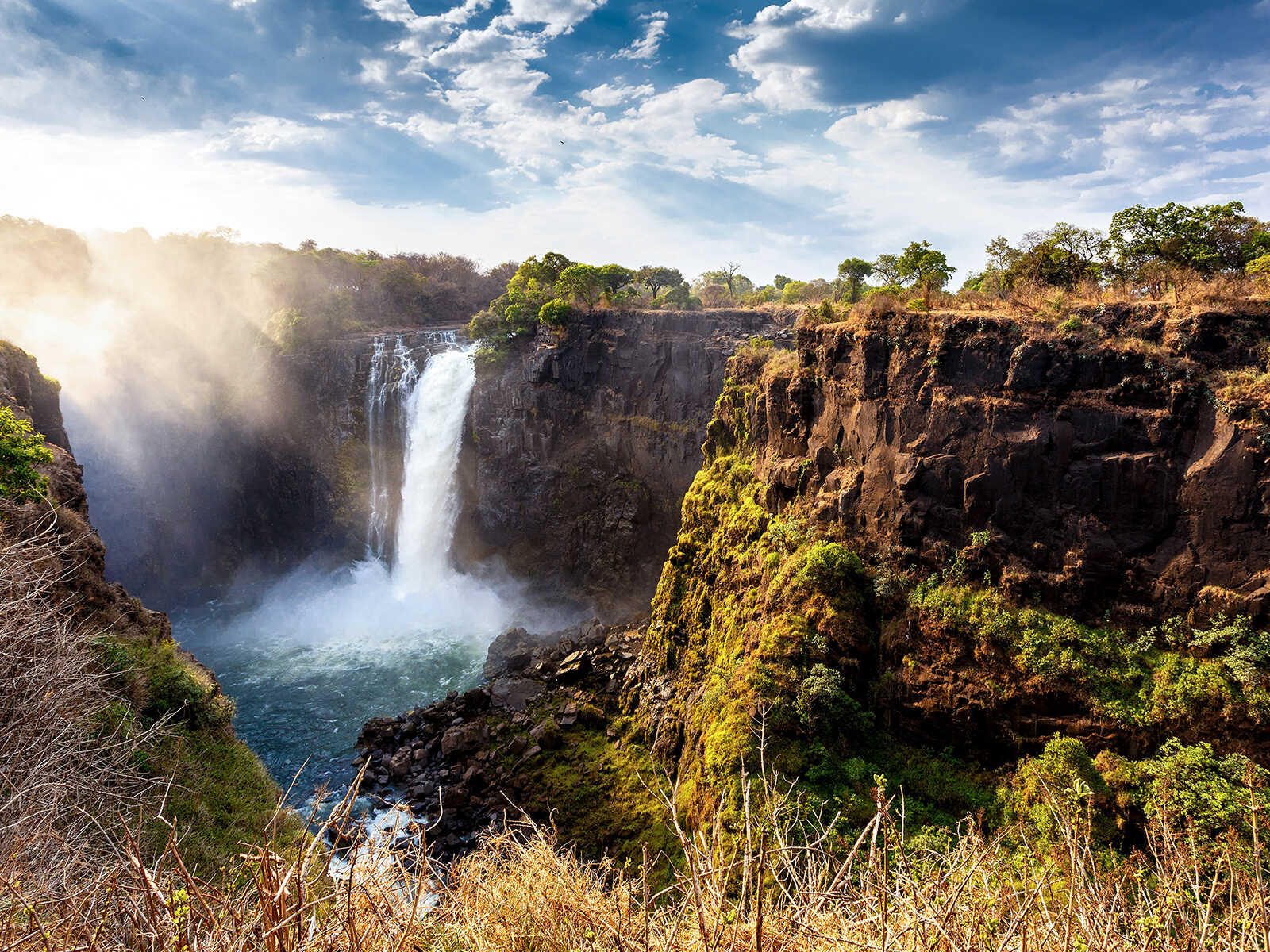
Zambia's Hidden Gems: Off-the-Beaten-Path Adventures
While destinations like Victoria Falls draw global crowds, Zambia offers a profound sense of discovery for those willing to venture beyond the well-trodden path. This incredible nation boasts vast wilderness areas and unique cultural encounters that promise an authentic African adventure far from the usual tourist circuit. Prepare to uncover the untamed heart of Zambia.
Beyond the Bestsellers: Why Explore Zambia's Untamed Corners?
Zambia is a land of immense natural beauty, renowned for its pristine national parks, dramatic waterfalls, and incredible wildlife. While popular spots like Lower Zambezi National Park and Kafue National Park offer world-class safaris, the true magic often lies in its lesser-known regions. Venturing off-grid here means more than just fewer people; it means deeper immersion, unparalleled wildlife encounters, and a chance to experience conservation at its most raw and impactful.
These hidden gems often require more planning and a spirit of adventure, but the rewards are immense: pristine ecosystems, rare wildlife sightings, and genuine interactions with local communities. It's an opportunity to witness Zambia's wilderness in its purest form, often with expert local guides who offer invaluable insights.
North Luangwa National Park: The Walking Safari Mecca
For the ultimate immersive safari experience, look no further than North Luangwa National Park. Unlike its more accessible southern counterpart, North Luangwa is a true wilderness sanctuary, almost exclusively explored on foot. This park is famous for pioneering the walking safari concept, offering an unparalleled opportunity to connect with nature on an intimate level.
Experience the Wild on Foot
Here, the focus is on tracking wildlife with expert guides and armed scouts, learning about the intricate details of the bush – from spoor identification to bird calls. While big game like lions, leopards, and elephants are present, the thrill comes from the heightened senses and the feeling of being truly part of the ecosystem. It's also one of the few places in Zambia where you have a genuine chance of seeing the endangered black rhino, thanks to dedicated conservation efforts.
Access to North Luangwa is limited to a handful of seasonal, eco-friendly camps, ensuring minimal human impact and an exclusive experience. The best time to visit is during the dry season (June to October) when water sources dwindle, concentrating wildlife and making tracking easier.
Tip:A walking safari in North Luangwa demands a reasonable level of fitness and a willingness to embrace the elements. Pack light, wear neutral colours, and prepare for an unforgettable adventure.
Liuwa Plain National Park: Africa's Untamed Migration
Far in the western reaches of Zambia lies Liuwa Plain National Park, a vast grassland savanna unlike any other. This remote park is globally significant for hosting Africa's second-largest wildebeest migration, a spectacular natural phenomenon often overshadowed by its East African counterparts. Liuwa Plain offers an experience of immense scale and solitude.
Witness the Wildebeest Spectacle
The wildebeest migration here is a year-round cycle, with the herds moving across the plains in search of fresh grazing. During the rainy season (November to April), tens of thousands of wildebeest, zebras, and other plains game gather, drawing in predators like cheetahs, wild dogs, and lions. It's a photographer's dream and a wildlife enthusiast's paradise, offering incredible predator-prey dynamics in a truly wild setting.
Beyond the migration, Liuwa is also home to endemic species like the red lechwe and is a fantastic birding destination. Due to its remoteness and seasonal flooding, access is challenging, often requiring chartered flights or robust 4x4 vehicles. Accommodation is typically in mobile camps or a single permanent lodge, ensuring an exclusive and authentic bush experience.
Kasanka National Park & Bangweulu Wetlands: Unique Ecosystems
For those seeking unique biodiversity and unparalleled natural spectacles, a journey to Kasanka National Park and the adjacent Bangweulu Wetlands is highly recommended. These areas, though distinct, offer a glimpse into Zambia's incredible ecological diversity.
Kasanka's Bat Spectacle
Kasanka National Park is celebrated for its annual straw-coloured fruit bat migration, the largest mammal migration on Earth. From October to December, an estimated 10-15 million bats descend upon a small patch of evergreen swamp forest within the park, creating an awe-inspiring spectacle as they emerge at dusk and return at dawn. This phenomenon draws predators like eagles and pythons, adding to the drama.
Bangweulu's Shoebill Storks
Adjacent to Kasanka, the Bangweulu Wetlands are a Ramsar-designated site and one of Africa's most important wetlands. This vast freshwater ecosystem is a critical habitat for the rare and elusive shoebill stork, a prehistoric-looking bird highly sought after by birdwatchers. The wetlands are also home to the endemic black lechwe, sitatunga, and a diverse array of waterbirds. Exploring Bangweulu often involves dug-out canoes (mokoros) and guided walks, offering a different pace of safari and a deep dive into wetland ecology.
Both Kasanka and Bangweulu are community-supported conservation areas, offering visitors a chance to contribute directly to local livelihoods and conservation efforts. The best time to visit Kasanka for the bats is between late October and December, while the Bangweulu Wetlands are best explored during the dry season (May to October) for easier access, though shoebills can be found year-round.
Practical Tips for Your Off-the-Beaten-Path Zambian Adventure
Embarking on an adventure to Zambia's hidden gems requires careful planning and preparation. Here are some essential tips to ensure a smooth and memorable trip:
- Plan Ahead:Many remote camps and parks have limited capacity and seasonal access. Book well in advance, especially if you're targeting specific events like the bat migration or dry season safaris.
- Expert Guides & Operators:For these remote areas, travelling with reputable, experienced tour operators and local guides is crucial. They provide invaluable knowledge, logistical support, and ensure your safety and enjoyment.
- Transportation:Expect to utilize a combination of chartered flights, 4x4 vehicles, and sometimes even boats or mokoros. Road conditions can be challenging, especially during the rainy season.
- Health & Safety:Consult your doctor about necessary vaccinations and malaria prophylaxis. Carry a comprehensive first-aid kit. Always follow your guide's instructions, especially concerning wildlife.
- Respect Local Culture:Zambia is a diverse nation with over 70 different ethnic groups. Be respectful of local customs and traditions. Learning a few basic phrases in Bemba or Nyanja can go a long way.
- Pack Smart:Light, breathable clothing in neutral colours is ideal for safaris. Bring sturdy walking shoes, a wide-brimmed hat, sunglasses, sun cream, insect repellent, and a good quality camera with extra batteries. A reusable water bottle is also a must.
- Connectivity:Expect limited to no cell service or internet in many remote areas. Embrace the digital detox!
While Zambia offers popular attractions like the majestic Victoria Falls and the thrilling Devils Pool, its true depth lies in these untouched landscapes. Embracing Zambia's hidden gems is an invitation to experience an authentic, raw, and deeply rewarding African journey. It's an adventure that promises not just sights, but profound connections with nature and culture, leaving you with memories that last a lifetime.