
Zambian Culture and Customs: A Traveler's Guide
Zambia, known as the "Real Africa," offers more than just breathtaking landscapes and abundant wildlife; it provides an immersive journey into a vibrant and diverse cultural tapestry. Understanding and respecting local customs is key to enriching your travel experience and forging genuine connections with the warm-hearted Zambian people.
Embracing the Spirit of "One Zambia, One Nation"
Zambia is home to over 70 ethnic groups, each with its unique traditions, languages, and belief systems. Despite this rich diversity, a strong sense of national unity, embodied in the motto "One Zambia, One Nation," prevails. Travelers will find a common thread of hospitality, respect for elders, and community spirit woven throughout the country.
The family unit is paramount in Zambian society, and extended family ties are incredibly strong. Decisions often involve the broader family, and a collective approach to life is common. This emphasis on community extends to how visitors are treated, often with genuine warmth and an eagerness to share their culture.
Essential Social Etiquette and Greetings
Greetings: The Foundation of Connection
- Handshakes:A firm handshake is the most common greeting. When greeting an elder or someone in a position of respect, it's customary and a sign of deep respect to offer your right hand while lightly supporting your right forearm or elbow with your left hand.
- Verbal Greetings:While English is the official language and widely spoken, especially in urban areas and tourist zones, learning a few phrases in local languages like Bemba ("Muli Bwanji" - How are you?) or Nyanja ("Monini" - Hello) will be greatly appreciated.
- Addressing Elders:Always show deference to elders. Use polite titles like "Bwana" (Sir) or "Amayi" (Madam) if you are unsure of their name. Avoid direct eye contact as it can sometimes be interpreted as disrespectful, especially from a younger person to an elder.
Travel Tip:When introducing yourself, it's polite to inquire about the other person's well-being and their family before diving into conversation. This shows genuine interest and respect for their personal life.
Personal Space and Public Conduct
Personal space can be more fluid in Zambia than in some Western cultures, particularly in crowded areas. However, public displays of affection are generally frowned upon and considered inappropriate. Dress modestly, especially when visiting rural areas, religious sites, or attending formal events, to show respect for local customs.
Dress Code and Appearance: Respectful Attire
Zambians generally dress neatly and modestly. While there isn't a strict dress code for tourists in most urban areas, opting for conservative attire demonstrates respect for local culture. For women, this means covering shoulders and knees, especially outside of major tourist hubs. For men, long trousers or smart shorts are usually acceptable.
When visiting traditional villages or attending cultural ceremonies, it's particularly important to dress respectfully. Bright, colorful fabrics are common and celebrated in Zambian fashion, so feel free to embrace vibrant patterns while maintaining modesty.
Dining Etiquette: A Taste of Zambian Hospitality
Food is central to Zambian hospitality, and sharing a meal is a significant social occasion. The staple food isnshima, a thick porridge made from maize flour, typically served with various relishes (meat, fish, or vegetables).
- Eating with Hands:Nshima is traditionally eaten with the right hand. You pinch off a small ball, roll it, and then use it to scoop up the relish. Always use your right hand, as the left hand is generally considered unclean.
- Washing Hands:Before and after meals, a basin of water and soap will often be brought around for guests to wash their hands.
- Accepting Offers:It is polite to accept offers of food and drink, even if you only take a small portion. Refusing outright can sometimes be seen as rude. If you have dietary restrictions, politely explain them.
- Sharing:Meals are often served on communal platters. Wait for elders or the host to begin eating before you do.
Visiting Homes and Communities: Cultural Sensitivity
Being invited into a Zambian home is an honor. If you are, consider bringing a small, thoughtful gift like fruit, sugar, or tea. Always remove your shoes before entering a home. When offered a seat, it's customary to accept.
When interacting with children, be friendly but avoid giving out sweets or money directly, as it can encourage begging. If you wish to contribute, consider donating to local schools or reputable charities.
Traditional Ceremonies and Festivals: A Window to the Soul
Zambia boasts a rich calendar of traditional ceremonies, offering fascinating glimpses into the country's diverse cultural heritage. These events, such as the Kuomboka Ceremony of the Lozi people in Mongu, the Nc'wala Ceremony of the Ngoni in Eastern Province, or the Likumbi Lya Mize of the Luvale people near Zambezi, are vibrant celebrations of history, ritual, and community.
If you have the opportunity to witness a ceremony, do so with the utmost respect. Ask your guide about appropriate behavior, dress, and whether photography is permitted. These events are not tourist attractions but sacred cultural expressions.
Communication and Language: Bridging the Gap
As mentioned, English is widely spoken, especially in tourist areas and among educated Zambians. However, making an effort to learn a few basic phrases in local languages will greatly enhance your interactions. The main local languages are Bemba, Nyanja, Tonga, and Lozi. A simple "Zikomo" (Thank you - Nyanja/Bemba) or "Natotela" (Thank you - Tonga) goes a long way.
Photography Etiquette: Capturing Memories Respectfully
Zambia's landscapes and people are incredibly photogenic. However, always ask for permission before taking photographs of individuals, especially children. A polite gesture and a "may I?" (or "niyambe kujata chithunzi?" in Nyanja) will often be met with a smile and consent. Respect a refusal without argument. Avoid taking photos of government buildings, military installations, or sensitive areas unless explicitly permitted.
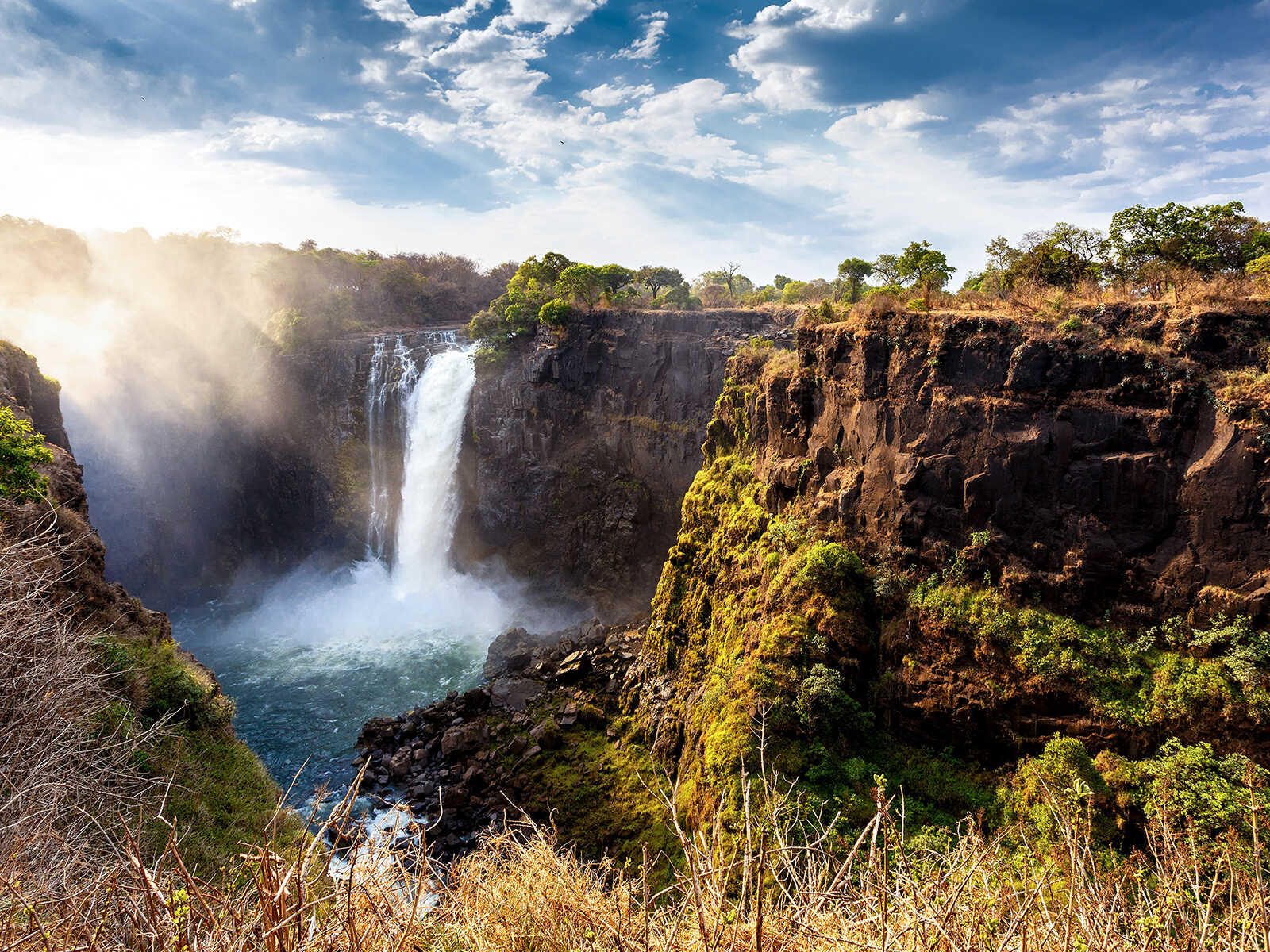
When capturing the stunning natural beauty around places like Victoria Falls or Devils Pool, be mindful of your surroundings and other visitors. In wildlife reserves such as Lower Zambezi National Park or Kafue National Park, follow your guide's instructions regarding photography near animals to ensure safety and minimize disturbance.
Tipping Practices: A Gesture of Appreciation
Tipping is not mandatory but is highly appreciated in Zambia, especially for good service in the tourism sector. Guides, drivers, lodge staff, and restaurant servers often rely on tips to supplement their income. The amount is discretionary and should reflect the quality of service received. Your tour operator or lodge can often provide guidelines on appropriate tipping amounts.
Responsible Tourism and Respect for Wildlife
Engaging with Zambian culture also means respecting its natural heritage. When visiting national parks like Mosi-oa-Tunya National Park or exploring engineering marvels like the Kariba Dam, adhere to all park rules and guidelines. Do not litter, stay on designated paths, and maintain a safe and respectful distance from wildlife. Support local conservation efforts and choose eco-friendly tour operators where possible.
Your actions as a traveler have an impact. By showing respect for the environment and the local communities, you contribute positively to Zambia's sustainable tourism future.
Conclusion: An Unforgettable Cultural Immersion
Traveling through Zambia is an opportunity to connect with a people renowned for their warmth and resilience. By approaching your journey with an open mind, a willingness to learn, and a commitment to respectful engagement, you will unlock a deeper understanding of Zambian culture and create memories that extend far beyond the breathtaking landscapes. Embrace the hospitality, learn a few local phrases, and allow yourself to be immersed in the authentic heart of Africa.