
Zambia Safari Packing List: Essentials for Your Wildlife Expedition
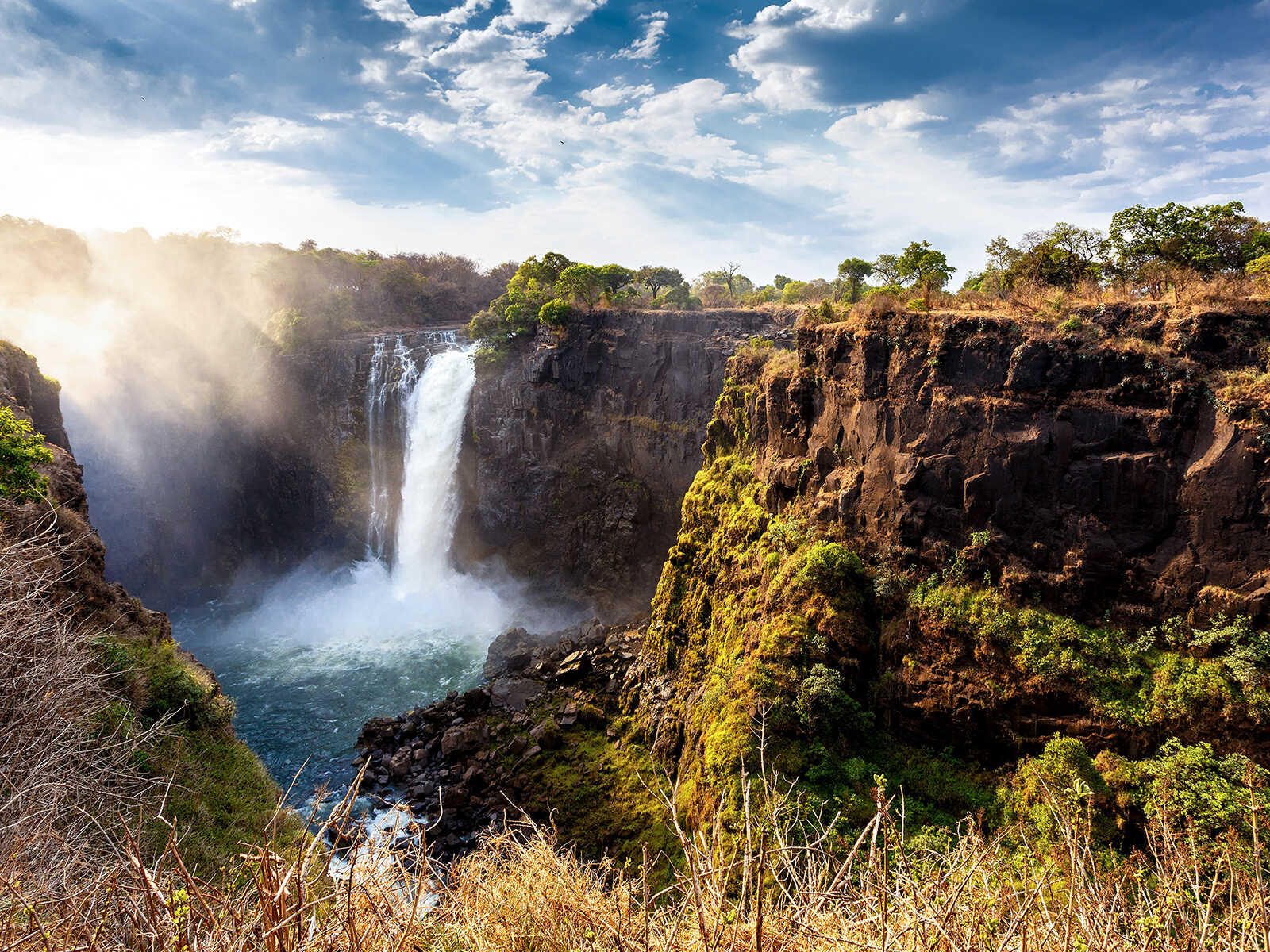
Embarking on a Zambian safari promises an unforgettable journey into untamed wilderness, but the success of your adventure often hinges on one crucial element: your packing list. From the vast plains of Kafue National Park to the dramatic cascades of Victoria Falls, being prepared ensures comfort, safety, and the ability to fully immerse yourself in Zambia's incredible natural beauty.
This comprehensive guide will help you meticulously plan what to bring, ensuring you're ready for every thrilling game drive, serene sundowner, and breathtaking moment Zambia has in store.
Understanding Zambia's Climate and Seasons
Zambia experiences distinct wet and dry seasons, which significantly influence what you should pack. Knowing when you're traveling is key to making the right choices.
The Dry Season (May - October)
This is generally considered the prime safari season. Expect warm to hot days (often reaching 30-35°C / 86-95°F) and significantly cooler mornings and evenings, particularly in June, July, and August, when temperatures can drop to 5-10°C (41-50°F). Rain is rare, and the vegetation is sparser, making wildlife viewing easier.
Fact:The Zambezi River, forming part of Zambia's southern border and feeding Victoria Falls, is at its lowest towards the end of the dry season, revealing more rock formations and making activities like the Devils Pool accessible.
The Wet Season (November - April)
Also known as the "Green Season," this period brings lush landscapes, migratory birds, and newborn animals. Temperatures are hot and humid, with regular afternoon thunderstorms. While not ideal for all safari activities, it offers unique photographic opportunities and fewer crowds.
Clothing: Comfort, Color, and Layers
The golden rule for safari clothing is layers, neutral colors, and comfort. You'll spend a lot of time sitting in vehicles or walking, so practicality trumps fashion.
General Principles
- Neutral Colors:Stick to khaki, olive green, brown, tan, and grey. These colors blend into the environment, are less alarming to wildlife, and don't attract insects as much as bright or dark colors (especially blue and black for tsetse flies). Avoid white, which gets dirty quickly, and camouflage patterns, which can be mistaken for military attire.
- Lightweight & Quick-Drying:Opt for breathable fabrics like cotton or quick-dry synthetics, especially important in hot climates and for hand-washing.
- Layers:Essential for adapting to temperature fluctuations throughout the day, from chilly mornings to hot afternoons and cool evenings.
Specific Clothing Items
- Long-Sleeved Shirts:3-4 lightweight, breathable shirts. These protect against sun, dust, and insect bites. Convertible roll-up sleeves are a bonus.
- T-Shirts/Shorts:2-3 short-sleeved shirts and 1-2 pairs of comfortable shorts for warmer parts of the day or around camp.
- Trousers/Convertible Pants:2-3 pairs of lightweight, durable trousers. Convertible pants (zip-off legs) are excellent for versatility. Essential for evenings to protect against mosquitoes.
- Warm Fleece/Jacket:A must-have for early morning game drives and cool evenings, even in the dry season. A windproof outer layer is also beneficial.
- Rain Jacket/Poncho:A lightweight, waterproof jacket or poncho is advisable, especially during the wet season or if visiting Victoria Falls, where the spray can be immense year-round.
- Swimsuit:If your lodge has a pool or if you plan to visit adventurous spots like the Devils Pool.
- Underwear & Socks:Enough for your trip, consider moisture-wicking socks for walking.
- Pajamas:Lightweight and comfortable.
Footwear: Support and Protection
Comfortable and sturdy footwear is non-negotiable, especially if you plan on walking safaris, which Zambia is famous for.
- Closed-Toe Walking Shoes/Boots:A comfortable, broken-in pair of walking shoes or light hiking boots is ideal for game walks and general movement around camp. Ensure they offer good ankle support and protection from thorns and insects.
- Sandals/Flip-Flops:A pair of open-toed shoes for relaxing at the lodge, dinner, or around the pool.
Health and Safety Essentials
Your well-being is paramount. Pack a small, personal medical kit and take preventative measures.
- Personal Medications:Bring an adequate supply of any prescription medications you require, along with copies of your prescriptions.
- Anti-Malarials:Consult your doctor about anti-malarial prophylaxis. Zambia is a malaria-risk area.
- Basic First-Aid Kit:Include pain relievers, antihistamines, antiseptic wipes, bandages, blister treatment, rehydration salts, and any personal allergy medications.
- Insect Repellent:High-DEET (30-50%) repellent is highly recommended to protect against mosquitoes and other biting insects.
- Sun Protection:High SPF sunscreen, a wide-brimmed hat, and sunglasses are essential to protect against the strong African sun.
- Hand Sanitizer:For hygiene on the go.
Photography and Electronics
Capturing the magic of your safari requires the right gear and accessories.
- Camera with Zoom Lens:A good quality camera with a telephoto lens (at least 200-300mm) is crucial for wildlife photography.
- Extra Batteries & Memory Cards:Power sources can be limited, and you'll take more photos than you think!
- Chargers & Power Bank:Ensure all your devices stay charged.
- International Travel Adapter:Zambia primarily uses Type G (British 3-pin) and Type D (Indian 3-pin) outlets. Bring a universal adapter.
- Binoculars:Absolutely essential for spotting distant wildlife and enhancing your viewing experience. Don't rely solely on your guide's pair.
- Headlamp/Flashlight:For navigating camp at night, especially during power outages or walking to your tent.
Personal Items and Miscellaneous
Don't forget the smaller items that make a big difference.
- Toiletries:Travel-sized versions of your preferred shampoo, conditioner, soap, toothbrush, toothpaste, etc. Consider biodegradable options where possible.
- Small Daypack/Backpack:Useful for carrying water, camera, binoculars, and other essentials on game drives and excursions.
- Reusable Water Bottle:Stay hydrated and reduce plastic waste. Many lodges offer filtered water.
- Ziploc Bags:Excellent for protecting electronics from dust and moisture, separating dirty laundry, or packing liquids.
- Book/Entertainment:For downtime during transfers or relaxing at the lodge.
Documents and Finances
Keep these vital items secure and easily accessible.
- Passport & Visas:Ensure your passport is valid for at least six months beyond your intended departure date and has sufficient blank pages. Check visa requirements for your nationality in advance.
- Travel Insurance:Comprehensive travel insurance covering medical emergencies, evacuation, and trip cancellations is highly recommended.
- Flight Tickets & Itinerary:Keep digital and physical copies.
- Driver's License:If you plan to self-drive, though most safaris are guided.
- Copies of Documents:Store digital copies on your phone/cloud and physical copies separately from the originals.
- Cash:Small denominations of Zambian Kwacha (ZMW) for tips, market purchases, or small expenses. US Dollars are widely accepted for larger payments and tips, especially in tourist areas like those near Mosi-oa-Tunya National Park.
- Credit/Debit Cards:Inform your bank of your travel plans to avoid card suspensions.
Special Considerations for Your Zambian Safari
- Luggage Type:If your itinerary involves light aircraft transfers (common for remote camps in areas like Lower Zambezi National Park or Kafue National Park), you will almost certainly be restricted to a soft-sided duffel bag. Hard-shell suitcases are generally not permitted due to space constraints.
- Weight Limits:Light aircraft also have strict weight limits, often around 15-20kg (33-44 lbs) per person, including hand luggage. Check with your tour operator or airline.
- Power Outlets:While lodges usually have charging points, power can be intermittent, or generators might run only at certain times. A power bank is a wise backup.
- Cultural Sensitivity:When visiting local communities or towns (e.g., Livingstone near Victoria Falls), dress modestly – cover shoulders and knees – as a sign of respect.
By following this comprehensive packing list, you'll be well-prepared for the incredible journey that awaits you in Zambia. Focus on practicality, comfort, and protection from the elements, and you'll be free to fully enjoy every moment of your unforgettable wildlife expedition.