
Understanding Zambia's Ecosystems: A Deep Dive into Its Natural Beauty
Zambia, often called the "Real Africa," is a landlocked nation renowned for its breathtaking natural beauty and incredible biodiversity. From the mighty Zambezi River to expansive woodlands and vast savannas, the country offers a captivating mosaic of ecosystems waiting to be explored.
Zambia's Geographical Tapestry
Situated in Southern Africa, Zambia's landscape is predominantly characterized by a high plateau, interspersed with river valleys and expansive plains. This varied topography, combined with a tropical climate marked by distinct wet and dry seasons, creates the perfect conditions for a remarkable array of natural habitats. The country is particularly famous for its extensive river systems, which are the lifeblood of many of its most vital ecosystems.
Key Ecosystems of Zambia
Riverine and Wetland Ecosystems
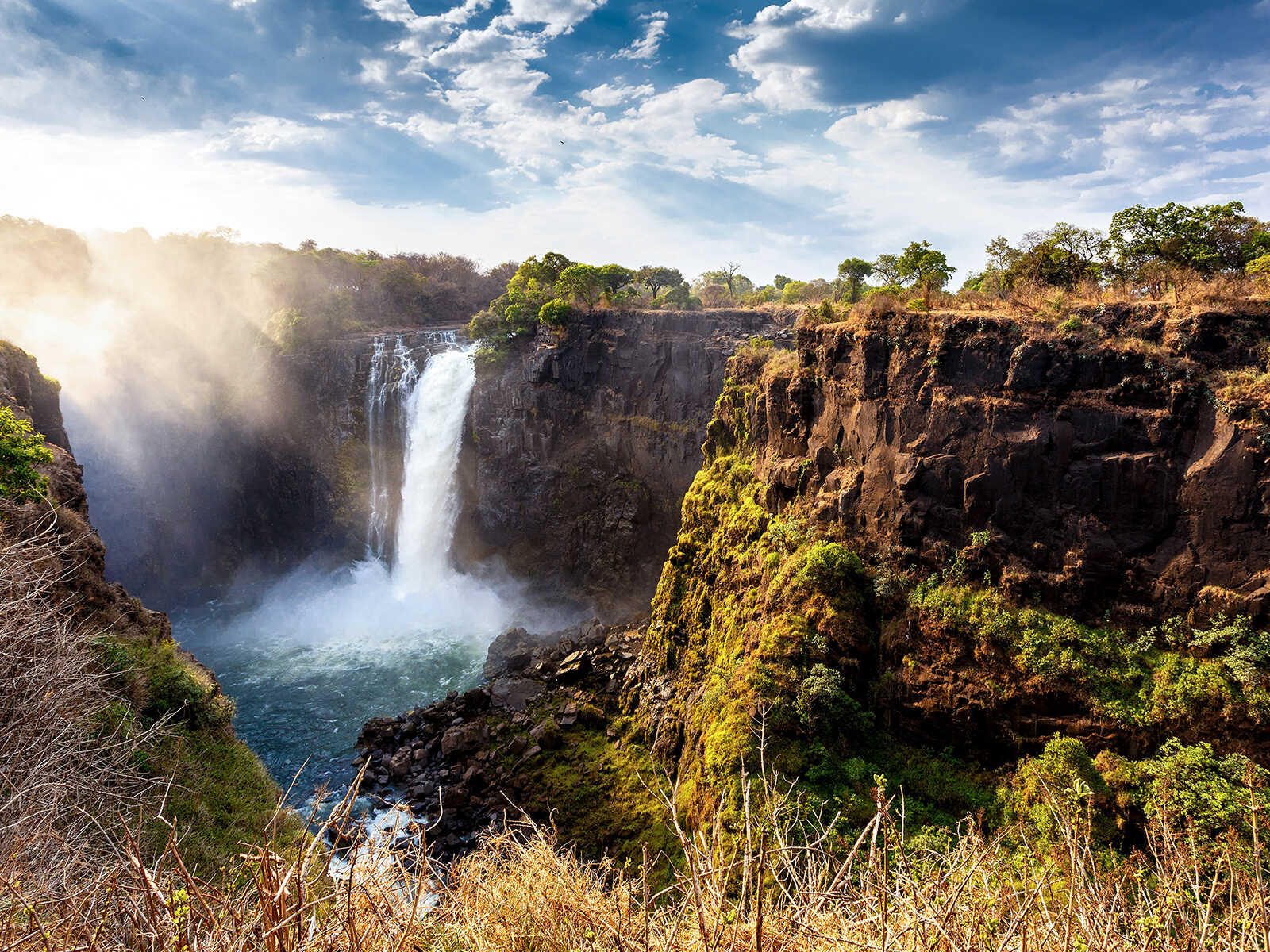
The heart of Zambia's natural wealth lies in its powerful rivers and their associated wetlands. The most prominent of these is the Zambezi River, which forms the country's southern border and is home to the spectacular Victoria Falls, one of the Seven Natural Wonders of the World. The sheer volume of water cascading over the falls creates a unique rainforest microclimate on its banks.
Downstream from the falls, the Zambezi broadens, forming floodplains and supporting rich biodiversity within areas like the Lower Zambezi National Park. Here, hippos, crocodiles, elephants, and a myriad of bird species thrive. The river also feeds into Lake Kariba, formed by the Kariba Dam, which is one of the world's largest man-made lakes and a significant fishery.
Another crucial river is the Kafue River, which meanders through the vast Kafue National Park, creating extensive wetlands and dambos (seasonally waterlogged grasslands). These wetlands are vital breeding grounds and feeding areas for countless species, including the endemic Kafue lechwe.
Did You Know?The spray from Victoria Falls supports a unique rainforest ecosystem that thrives even during the dry season, sustaining plant species that would otherwise not survive in the region. Visitors can even experience the thrill of Devil's Pool at the edge of the falls during certain times of the year.
Miombo Woodlands
Covering a significant portion of Zambia, miombo woodlands are characterized by a dominant canopy of Brachystegia, Julbernardia, and Isoberlinia trees. These deciduous trees shed their leaves in the dry season, creating an open, airy woodland that bursts into vibrant colors during the flush of new growth at the start of the rains. Miombo woodlands are home to a diverse array of wildlife, though often more elusive than in open savannas. Species like sable antelope, roan antelope, eland, and various primates, alongside predators such as leopards and wild dogs, are found here. Birdlife is particularly rich, with numerous endemic and migratory species.
Grasslands and Savannas
Interspersed with the miombo woodlands are vast grasslands and savannas, particularly prominent in national parks like Kafue National Park and parts of the Lower Zambezi National Park. These open plains, often dotted with acacia trees, are crucial for grazing herbivores such as zebra, wildebeest, and various antelopes, which in turn support populations of apex predators like lions, cheetahs, and hyenas. The annual cycle of burning and regrowth plays a natural role in maintaining these ecosystems, providing fresh pastures after the rains.
Floodplains
Zambia's floodplains are dynamic ecosystems, dramatically transforming with the seasons. The most famous of these is the Busanga Plains in Kafue National Park, which transforms from a vast wetland during the wet season into a lush, grassy plain as the waters recede. This seasonal change concentrates wildlife, making it an exceptional place for game viewing. These areas are vital for water-dependent species and migratory birds, offering a spectacle of nature's adaptability.
Biodiversity Hotspots and Wildlife
Zambia's diverse ecosystems collectively harbor an extraordinary wealth of biodiversity. The country is home to over 230 mammal species, more than 750 bird species, and thousands of plant species. Iconic wildlife includes the African elephant, lion, leopard, buffalo, and rhinoceros (though rhinos are rare and highly protected). The country's rivers teem with hippos and crocodiles, while the skies are filled with vibrant rollers, majestic fish eagles, and elusive Pel's fishing owls.
National parks such as Kafue National Park(one of Africa's largest),Lower Zambezi National Park, and Mosi-oa-Tunya National Park play crucial roles in protecting these natural treasures. Each park offers a unique glimpse into Zambia's varied habitats and their resident wildlife.
Conservation Efforts and Sustainable Tourism
Recognizing the immense value of its natural heritage, Zambia is committed to conservation. Efforts include anti-poaching initiatives, community-based natural resource management programs, and the establishment of protected areas. Sustainable tourism plays a vital role in these efforts, providing economic incentives for conservation and raising awareness about environmental protection.
When you visit Zambia, you contribute directly to these conservation efforts. Choosing eco-friendly lodges and responsible tour operators helps ensure that these pristine ecosystems and their wildlife will thrive for future generations. Supporting local communities through tourism also empowers them to be stewards of their natural environment.
Experiencing Zambia's Ecosystems
To truly appreciate Zambia's natural beauty, immerse yourself in its diverse ecosystems. The best time to visit for wildlife viewing is generally during the dry season (May to October), when animals congregate around water sources and vegetation is sparser, making sightings easier. However, the wet season (November to April) offers lush landscapes, dramatic thunderstorms, and exceptional birdwatching opportunities.
- Safari Game Drives:Explore the vast savannas and woodlands of parks like Kafue National Park and Lower Zambezi National Park to spot the "Big Five" and more.
- Walking Safaris:Experience the miombo woodlands and floodplains on foot, connecting with nature on a deeper level, particularly renowned in South Luangwa.
- Boat Safaris & Canoeing:Navigate the mighty Zambezi or Kafue Rivers, getting up close with hippos, crocodiles, and waterbirds. A canoe safari in the Lower Zambezi National Park is an unforgettable experience.
- Birdwatching:With such a rich avian population, Zambia is a birdwatcher's paradise, especially during the green season.
- Victoria Falls Activities:Beyond viewing the falls, consider a visit to Devil's Pool for an exhilarating experience or explore the surrounding Mosi-oa-Tunya National Park for rhinos.
Zambia's ecosystems are a testament to the raw, untamed beauty of Africa. Each habitat offers a unique adventure and a profound connection to nature. By understanding and respecting these intricate systems, visitors can help preserve the country's unparalleled natural heritage.