
Responsible Tourism in Zambia: Sustainable Travel Practices
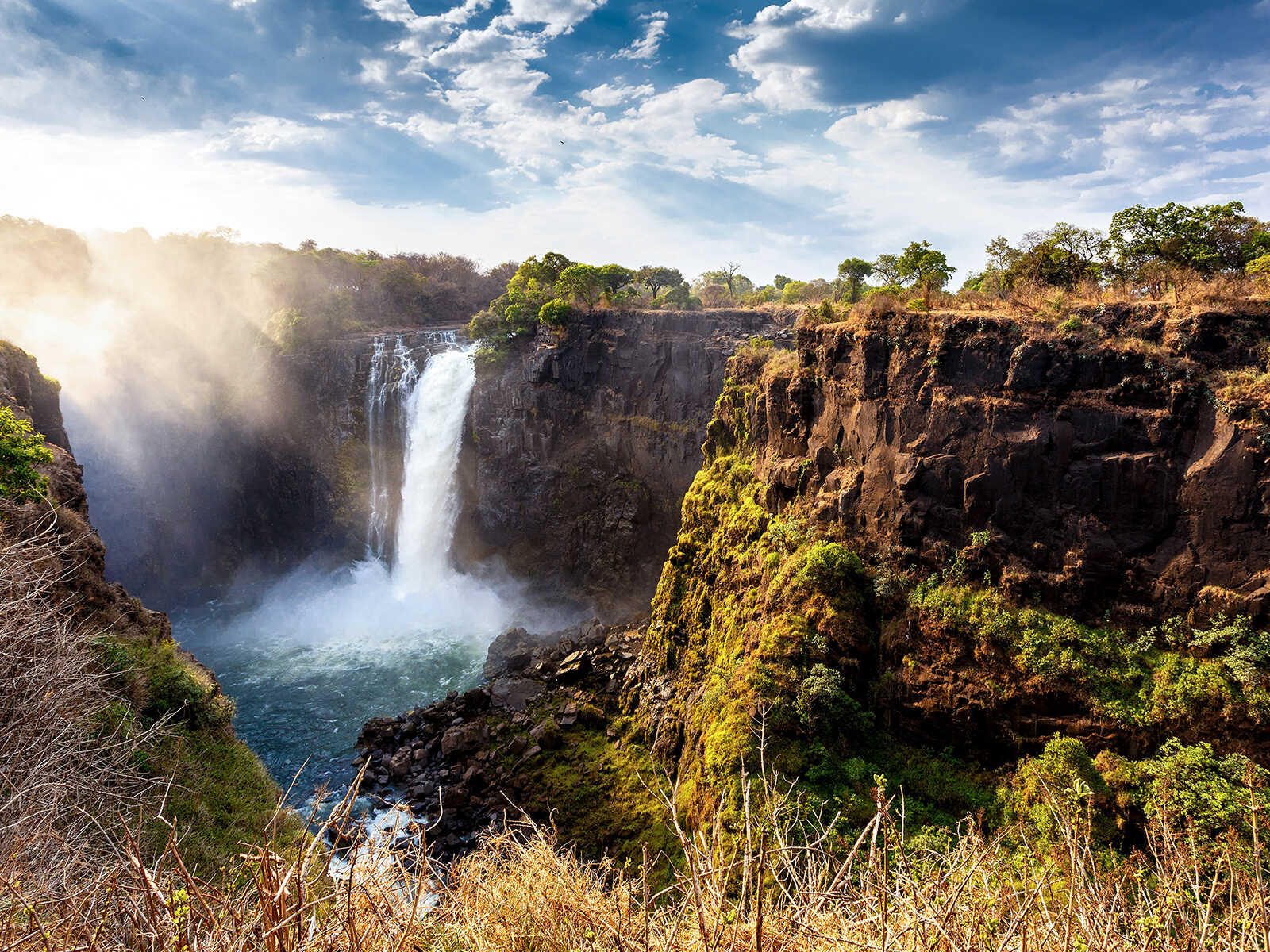
Zambia, a land of breathtaking natural beauty, from the thundering Victoria Falls to its vast, wildlife-rich national parks, beckons adventurers and nature lovers alike. As you plan your unforgettable journey, embracing responsible tourism practices ensures your visit leaves a positive, lasting impact on Zambia's environment and its vibrant communities.
Sustainable travel is more than a trend; it's a commitment to preserving the wonders you've come to experience. For Zambia, this means safeguarding its incredible biodiversity, supporting local livelihoods, and respecting its rich cultural heritage for generations to come.
Why Responsible Tourism Matters in Zambia
Zambia boasts some of Africa's most pristine wilderness areas, home to an astonishing array of wildlife, including the "Big Five." However, these delicate ecosystems face pressures from human activity, climate change, and poaching. Tourism, when managed responsibly, can be a powerful force for conservation and community development.
By choosing sustainable travel, you directly contribute to:
- Wildlife Protection:Funding anti-poaching efforts and habitat preservation.
- Community Empowerment:Creating jobs, supporting local businesses, and improving infrastructure.
- Environmental Stewardship:Reducing waste, conserving resources, and minimizing your carbon footprint.
Key Pillars of Sustainable Travel in Zambia
1. Environmental Conservation: Protecting Zambia's Natural Wonders
Zambia's diverse landscapes, from the Zambezi River's floodplains to the vast savannas of its national parks, are its greatest assets. Responsible tourism prioritizes their protection.
- Ethical Wildlife Viewing:Choose operators who adhere to strict guidelines for wildlife encounters. Maintain a respectful distance, avoid making loud noises, and never feed animals. This is crucial whether you're on a safari in Kafue National Park or observing elephants near Mosi-oa-Tunya National Park.
- Minimizing Your Footprint:
- Waste Reduction:Pack reusable water bottles, shopping bags, and avoid single-use plastics. Dispose of all waste responsibly; if bins are unavailable, pack it out with you.
- Water and Energy Conservation:Be mindful of your water usage, especially in drier regions. Turn off lights and air conditioning when leaving your accommodation.
- Stay on Designated Paths:When hiking or exploring, stick to marked trails to prevent erosion and disturbance to local flora and fauna.
- Supporting Protected Areas:Many tour operators and lodges contribute directly to the management and protection of national parks like Lower Zambezi National Park. Your choice to visit these areas helps fund vital conservation work.
Did You Know?Zambia is home to 20 national parks and 34 game management areas, covering over 30% of its landmass. These protected areas are crucial for biodiversity and rely heavily on tourism revenue for their upkeep.
2. Community Empowerment: Benefiting Local People
Responsible tourism ensures that the economic benefits of your visit reach the local communities, not just international corporations.
- Support Local Businesses:
- Choose Local Tour Operators and Guides:They offer authentic insights and ensure your money stays within Zambia.
- Stay in Locally Owned Accommodations:From guesthouses to eco-lodges, supporting these businesses directly benefits local families and staff.
- Buy Local Crafts and Souvenirs:Purchase directly from artisans or reputable community markets. Bargaining is often part of the culture, but do so respectfully and fairly.
- Fair Employment Practices:Prioritize lodges and tour companies known for fair wages, good working conditions, and opportunities for local Zambians in all levels of their operations.
- Cultural Respect and Engagement:
- Learn Local Customs:A simple "Muli bwanji?" (How are you?) in Nyanja or Bemba goes a long way.
- Ask Before Photographing:Always ask for permission before taking photos of people, especially children.
- Dress Modestly:Particularly when visiting rural villages or religious sites, respectful attire is appreciated.
3. Economic Sustainability: Ensuring Long-Term Viability
For tourism to be truly sustainable, it must be economically viable in the long run, providing consistent benefits that allow communities and conservation efforts to thrive.
- Invest in Responsible Tourism:Your spending choices are powerful. By opting for certified eco-lodges or operators with transparent community engagement programs, you're investing in a sustainable future for Zambia.
- Support Conservation Projects:Many lodges offer opportunities to contribute to local conservation initiatives, from anti-poaching units to wildlife research. Engaging in activities like a walking safari can directly support these efforts.
- Promote Local Supply Chains:Sustainable lodges often source their food and supplies locally, further boosting the regional economy. Inquire about these practices when choosing your accommodation.
Practical Tips for Your Responsible Zambian Adventure
Before You Go:
- Research Thoroughly:Look for tour operators and accommodations that clearly state their commitment to responsible tourism, conservation, and community development. Read reviews focusing on these aspects.
- Pack Smart:Bring a reusable water bottle, sturdy refillable bags, and eco-friendly toiletries. Consider packing light to reduce your carbon footprint from transport.
- Get Vaccinated:Ensure you have all necessary vaccinations and malaria prophylaxis to avoid putting a strain on local healthcare resources.
During Your Trip:
- Respect Wildlife and Nature:Follow all guide instructions, especially during safaris. Do not litter. Keep a safe distance from animals, and never disturb their natural habitat. Even when visiting popular sites like Devils Pool, be mindful of the surrounding environment.
- Conserve Resources:Turn off lights and air conditioning when not in your room. Take shorter showers.
- Engage Respectfully:Learn a few local phrases. Be open to cultural exchange but respect privacy and local customs. When visiting villages, consider bringing small, appropriate gifts like school supplies (arranged through your guide).
- Support the Local Economy:Prioritize local markets, restaurants, and souvenir shops. Your purchases make a direct difference.
- Be Mindful of Photography:Always ask for permission before photographing people. Respect requests not to be photographed.
After Your Trip:
- Share Your Experience:Encourage friends and family to travel responsibly to Zambia. Share your positive experiences on social media and review platforms.
- Continue Your Support:Consider donating to reputable Zambian conservation or community development organizations.
Your journey through Zambia can be more than just a holiday; it can be an opportunity to contribute positively to a country rich in natural beauty and vibrant culture. By choosing responsible travel, you help ensure that Zambia's wonders remain for future generations to cherish.