
Lusaka Travel Guide: Exploring Zambia's Vibrant Capital
Lusaka, Zambia’s bustling capital, often serves as the primary gateway for travelers embarking on a Zambian adventure. More than just a transit point, this vibrant city offers a unique blend of urban energy, cultural insights, and access to incredible natural wonders, making it a compelling destination in its own right.
Why Visit Lusaka?
Lusaka is the beating heart of Zambia, a rapidly developing city that pulsates with life, commerce, and culture. It's a place where modern high-rises stand alongside traditional markets, offering a fascinating glimpse into contemporary Zambian life. From exploring local art and history to experiencing vibrant street markets and enjoying diverse culinary scenes, Lusaka provides an authentic urban African experience before or after your safari adventures.
Getting There and Around
Arriving in Lusaka
Most international visitors arrive atKenneth Kaunda International Airport (KKIA), located approximately 26 kilometers northeast of the city center. The airport is well-connected with major airlines. Upon arrival, taxis and pre-booked airport transfers are readily available to take you into the city. It's advisable to arrange transport in advance or use official airport taxi services.
Navigating the City
Lusaka is a sprawling city, and navigating it requires some planning. While walking might be suitable for short distances within specific neighborhoods, it's generally not recommended for longer journeys due to traffic and pedestrian infrastructure.
- Taxis and Ride-Sharing:Taxis are widely available, but always agree on a fare before starting your journey. Ride-sharing apps are also popular and offer a convenient, metered option.
- Minibuses:These are the most common form of public transport for locals, offering an authentic but often crowded experience. They follow set routes and are very affordable.
- Car Rental:Self-driving is possible for those comfortable with African road conditions and traffic, but a driver is often recommended for ease and local knowledge.
Top Attractions and Things to Do
Cultural Experiences
Delve into Zambia's rich history and vibrant arts scene right in the capital.
- Lusaka National Museum:This museum offers a comprehensive overview of Zambia's history, from ancient times to modern independence, featuring ethnographic exhibits and contemporary art.
- Chilenje House Museum:A significant historical site, this house was once the residence of Zambia's first president, Kenneth Kaunda, and provides insights into the country's struggle for independence.
- Zintu Arts Centre:Explore local craftsmanship, watch artists at work, and purchase unique Zambian art, sculptures, and crafts directly from the creators.
Wildlife and Nature
Even within the capital's vicinity, opportunities to connect with Zambia's incredible wildlife exist.
- Lusaka National Park:One of Zambia's newest national parks, located just a short drive from the city center, offering a chance to see white rhinos, giraffes, zebras, and various antelope species in a well-maintained environment.
- Kalimba Reptile Park:Home to a variety of snakes, crocodiles, and other reptiles, this park provides an educational and engaging experience for all ages.
- Lilayi Elephant Nursery:Operated in partnership with Game Rangers International and the David Sheldrick Wildlife Trust, visitors can witness the twice-daily feeding of orphaned elephant calves. It's a heartwarming experience supporting vital conservation efforts.
Shopping and Markets
Lusaka's markets are a sensory overload in the best possible way, offering everything from fresh produce to traditional fabrics.
- Soweto Market:One of Lusaka's largest and most vibrant markets, Soweto is an experience in itself. Navigate through bustling stalls selling clothes, electronics, household goods, and local food.
- Kamwala Market:Known for its textiles and clothing, Kamwala is the place to find colorful Chitenge fabrics and tailor-made outfits.
- Modern Shopping Malls:For a more contemporary shopping experience, Arcades Shopping Mall and Manda Hill Shopping Centre offer international brands, cinemas, and a variety of restaurants.
Day Trips from Lusaka
Lusaka's central location makes it an ideal base for exploring some of Zambia's most famous attractions on day or overnight trips.
- Lower Zambezi National Park:A premier safari destination, accessible via a short flight or a scenic drive, offering incredible wildlife viewing, canoeing, and fishing on the Zambezi River.Lower Zambezi National Park is renowned for its elephant herds and diverse birdlife.
- Kafue National Park:Zambia's largest national park,Kafue National Park, is reachable within a few hours by road and boasts vast wilderness, excellent predator sightings, and the beautiful Kafue River.
- Kariba Dam:A monumental engineering feat, the Kariba Dam, one of the largest man-made lakes in the world, is a fascinating destination for a day trip, offering stunning views and insights into its history.
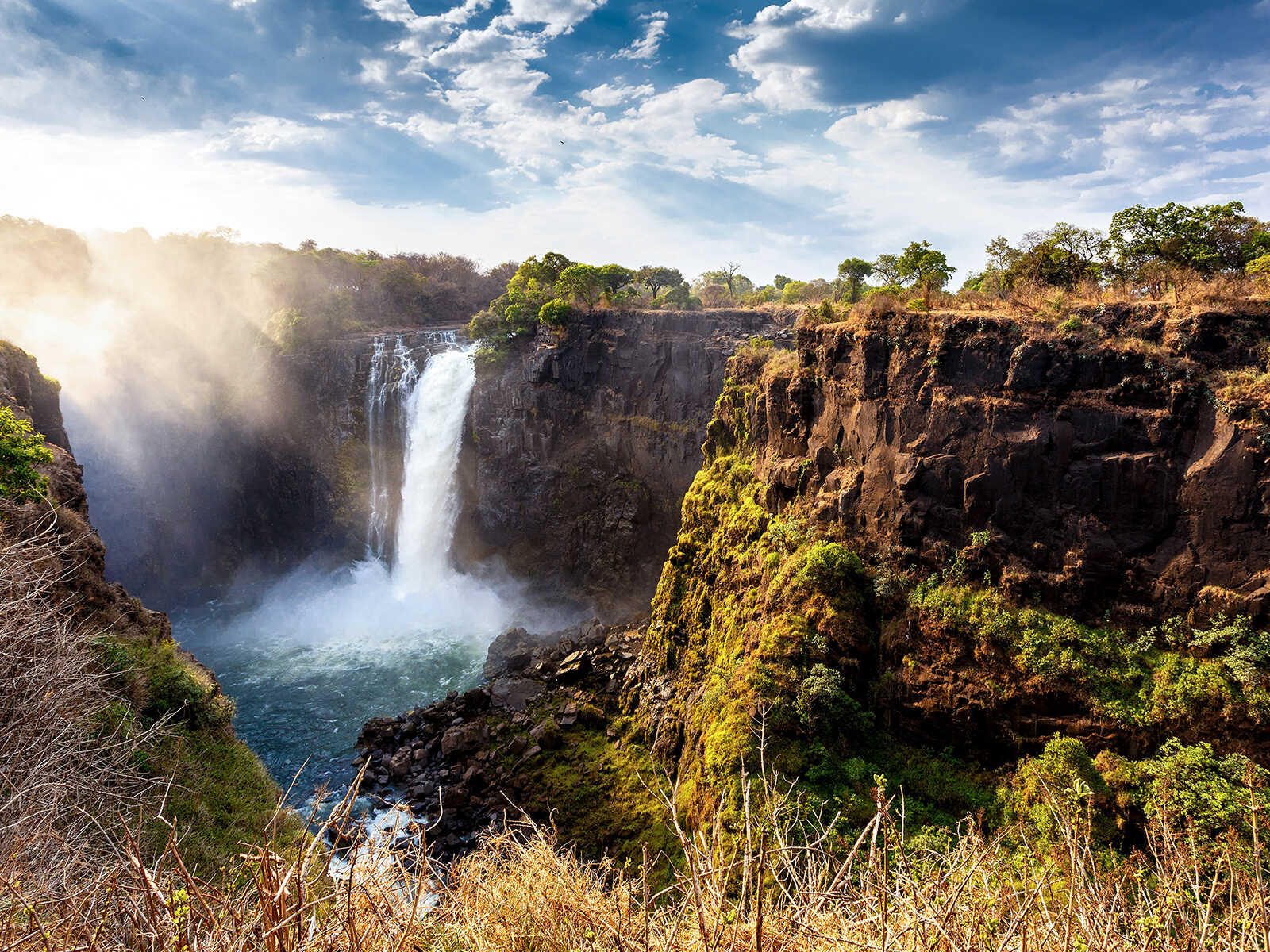
Travel Tip:While Victoria Falls and Mosi-oa-Tunya National Park are further afield, requiring a flight or an extended bus journey, they are Zambia's most iconic attractions and are easily connected via Lusaka's airport. Consider adding a few days to your itinerary to experience the majestic Falls and perhaps even dare to visit Devil's Pool.
Where to Eat and Drink
Lusaka's culinary scene is surprisingly diverse. You'll find everything from traditional Zambian dishes likenshima(a staple made from maize meal, served with various relishes) to international cuisine spanning Indian, Chinese, Italian, and fast food. The city also has a growing number of trendy cafes, lively bars, and nightclubs, particularly around the Arcades and Manda Hill areas, offering vibrant nightlife.
Accommodation Options
Accommodation in Lusaka caters to all budgets and preferences. You can choose from luxurious international hotel chains, boutique guesthouses, budget-friendly lodges, and self-catering apartments. It's advisable to book your accommodation in advance, especially during peak season or for specific events.
Practical Tips for Travelers
Best Time to Visit
Thedry season (May to October)is generally considered the best time to visit Lusaka and Zambia for comfortable weather and optimal wildlife viewing in nearby parks. The cooler months of June to August are particularly pleasant.
Safety and Health
- Safety:Like any large city, it's wise to be aware of your surroundings, especially at night. Avoid walking alone after dark, secure your valuables, and use reputable taxi services.
- Health:Consult your doctor about necessary vaccinations and malaria prophylaxis before traveling to Zambia. Carry insect repellent, stay hydrated, and drink bottled or purified water.
Currency and Payments
The local currency is theZambian Kwacha (ZMW). ATMs are widely available in shopping malls and banks. Major credit cards are accepted at larger hotels, restaurants, and shops, but cash is essential for markets and smaller establishments. It's useful to carry smaller denominations of Kwacha.
Language
English is the official language and is widely spoken, especially in urban areas and tourist establishments. Learning a few basic phrases in local languages like Nyanja or Bemba can be appreciated by locals.
Etiquette
Zambians are generally friendly and welcoming. Dress modestly, especially when visiting traditional areas or government buildings. Always ask permission before taking photos of people, and be respectful of local customs and traditions.
Beyond Lusaka: Connecting to Zambia's Wonders
While Lusaka offers a compelling urban experience, it also serves as a crucial hub for exploring the wider wonders of Zambia. Whether you're flying north to the pristine wilderness of Kafue National Park, heading south to the mighty Victoria Falls, or embarking on a river safari in the Lower Zambezi National Park, Lusaka is your starting point. Embrace the city's energy, gather your provisions, and prepare for an unforgettable journey through the heart of Africa.