
Lower Zambezi National Park Safari: Planning Your Wildlife Adventure
Embark on an unforgettable journey to Lower Zambezi National Park, a pristine wilderness renowned for its intimate wildlife encounters and unique river-based safaris. This guide will help you plan your dream adventure in one of Zambia's most treasured natural gems, ensuring a seamless and enriching experience.
An Introduction to Lower Zambezi National Park
Nestled on the northern bank of the mighty Zambezi River,Lower Zambezi National Park is a testament to untamed beauty. Established in 1983, it quickly gained recognition for its stunning landscapes, which transition from riverine forest to mopane woodland and vast floodplains, all backdropped by the impressive Zambezi escarpment. Unlike other parks, its unique location allows for an array of water-based activities that offer a fresh perspective on African wildlife.
Why Choose Lower Zambezi for Your Safari?
The allure of Lower Zambezi lies in its diversity and the quality of its safari experiences. Here's what sets it apart:
- Unique Activities:Go beyond traditional game drives with thrilling canoe safaris, tranquil boat cruises, and exhilarating walking safaris.
- Abundant Wildlife:Home to large herds of elephants and buffalo, prides of lion, elusive leopards, and packs of African wild dogs. The river teems with hippos and crocodiles, while the birdlife is exceptional.
- Stunning Scenery:The combination of the Zambezi River, its islands, and the dramatic escarpment creates a picturesque backdrop for every encounter.
- Intimate Safari Experience:With a limited number of camps,Lower Zambezi offers a less crowded, more personal safari.
Best Time to Visit
Choosing the right time for your safari significantly impacts your experience:
- Dry Season (May to October):This is generally considered the prime time for wildlife viewing. As water sources dwindle, animals congregate along the Zambezi River, making them easier to spot. The weather is cool and dry, perfect for all activities. Camps are typically fully operational during this period.
- Wet Season (November to April):While some camps close during the peak of the rains (January-March), the early wet season (November-December) offers lush landscapes, dramatic thunderstorms, and incredible birdwatching opportunities as migratory birds arrive. Wildlife viewing can be more challenging due to thicker vegetation, but it provides a different, often more vibrant, perspective of the park.
Getting There
Access to Lower Zambezi National Park is primarily by air, adding to its exclusive feel:
- Flights to Lusaka:Most international visitors fly into Kenneth Kaunda International Airport (LUN) in Lusaka, Zambia's capital.
- Light Aircraft Transfers:From Lusaka, scheduled light aircraft transfers fly directly to various airstrips within or near the park, such as Jeki or Royal Airstrip. These short, scenic flights offer breathtaking views of the landscape. Your safari lodge will typically arrange these transfers as part of your package.
- Road Transfers:While possible, road transfers from Lusaka are long and arduous, generally not recommended for direct park access.
Tip:The Zambezi River, which borders the park, eventually flows into Lake Kariba, formed by the impressive Kariba Dam, one of the world's largest man-made lakes.
Safari Activities in Lower Zambezi
The park excels in offering a diverse range of activities that cater to every type of adventurer:
Game Drives
The classic safari experience, conducted in open 4x4 vehicles, allows you to explore the park's interior. Expert guides track wildlife, sharing their extensive knowledge of the ecosystem. Night drives offer a chance to spot nocturnal creatures like civets, genets, and perhaps even a leopard on the hunt.
Boat Safaris
Cruising the Zambezi River is a highlight. Witness vast numbers of hippos and crocodiles, elephants bathing or drinking at the water's edge, and an incredible array of waterbirds. It's a peaceful yet exhilarating way to observe wildlife.
Canoeing Safaris
For the truly adventurous, guided canoe safaris offer an unparalleled, immersive experience. Paddle silently along the river's channels, getting incredibly close to wildlife from a water-level perspective. These safaris are always led by experienced guides, ensuring safety and an educational journey.
Walking Safaris
Led by armed, professional guides, walking safaris allow you to connect with the bush on a deeper level. Learn about tracks, dung, insects, and the smaller flora and fauna often overlooked from a vehicle. It's an intimate way to understand the ecosystem.
Fishing
The Zambezi is famous for its tiger fish, a formidable freshwater sport fish. Many lodges offer catch-and-release fishing excursions, providing a different kind of thrill on the water.
Accommodation Options
Lower Zambezi boasts a selection of luxurious and comfortable safari lodges and tented camps. Most are intimately designed, blend seamlessly with the environment, and operate on an all-inclusive basis, covering accommodation, meals, drinks, and all safari activities. Expect high standards of service, exceptional guiding, and often, stunning views of the river.
Packing Essentials
Pack smart to make the most of your safari:
- Clothing:Light, breathable clothing in neutral colors (khaki, olive, brown) for game drives. Long sleeves and trousers for evenings to protect against insects. A warm jacket or fleece for cool mornings and evenings.
- Footwear:Comfortable walking shoes or sturdy sandals, especially if planning walking safaris.
- Sun Protection:Wide-brimmed hat, sunglasses, high-SPF sunscreen.
- Insect Repellent:Essential for evenings and early mornings.
- Photography Gear:Binoculars are a must! A good camera with a telephoto lens will capture incredible wildlife moments.
- Personal Items:Small medical kit, toiletries, power bank for charging devices.
Health and Safety Considerations
- Malaria:Lower Zambezi is a malaria-risk area. Consult your doctor about anti-malarial prophylaxis.
- Vaccinations:Ensure routine vaccinations are up to date. Yellow Fever vaccination may be required if travelling from an endemic country.
- Travel Insurance:Comprehensive travel and medical evacuation insurance is highly recommended.
- Wildlife Safety:Always follow your guide's instructions. Respect wildlife space and never approach animals on foot unless with an armed guide.
Combining Your Lower Zambezi Safari
To enhance your Zambian adventure, consider pairing Lower Zambezi with other incredible destinations:
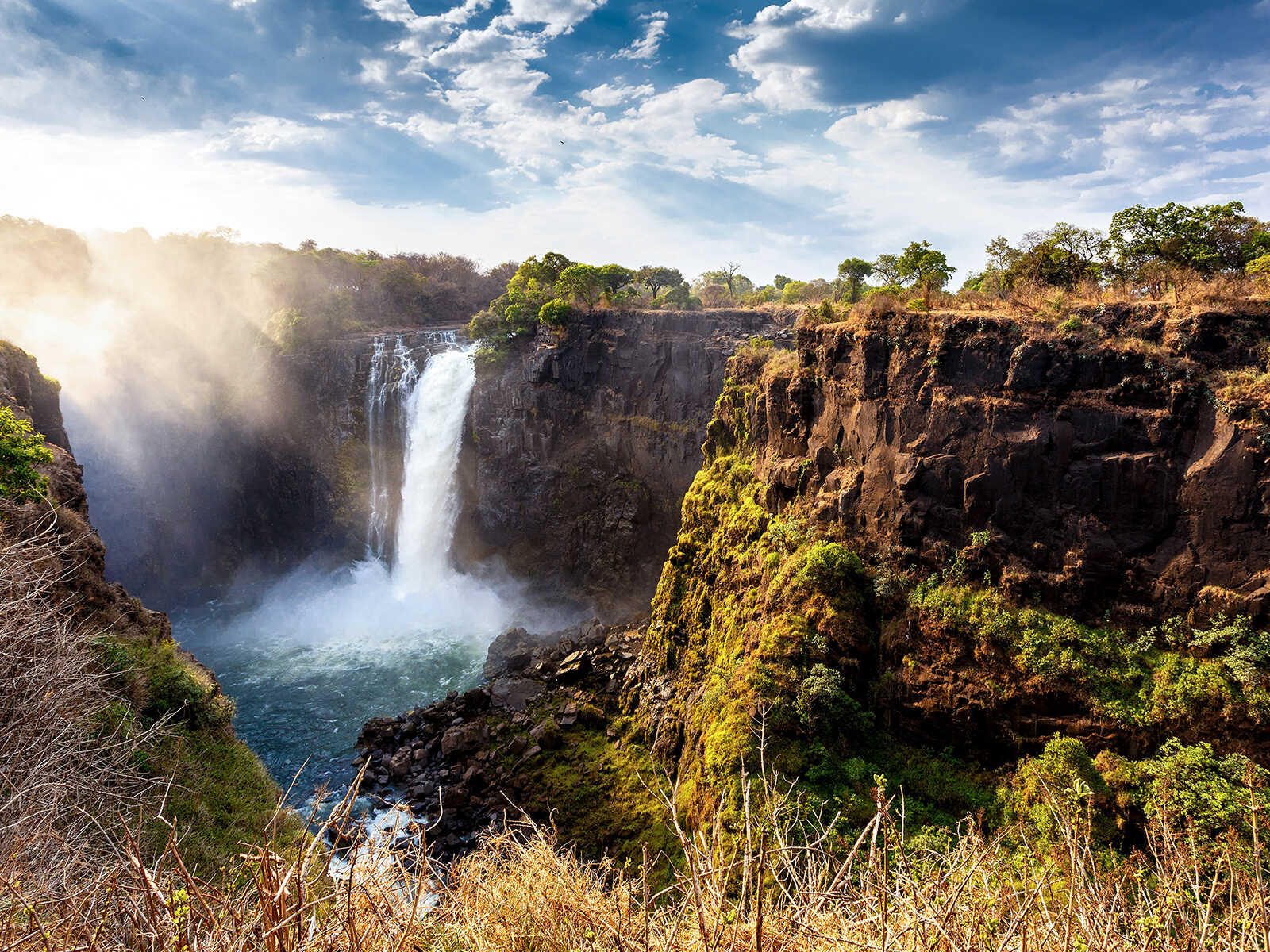
- Victoria Falls:The awe-inspiring Mosi-oa-Tunya ('The Smoke that Thunders') is a natural wonder. Stay in Livingstone and experience activities like a visit to Devil's Pool(seasonal), helicopter flights, or a tour of Mosi-oa-Tunya National Park.
- Kafue National Park:As one of Africa's largest parks, Kafue offers a contrasting ecosystem, vast open plains, and excellent chances to see cheetahs and various antelopes.
Responsible Tourism
When visiting Lower Zambezi, choose lodges and operators committed to sustainable tourism. Support efforts that conserve wildlife, protect the environment, and benefit local communities. Leave no trace, respect the wilderness, and contribute to the preservation of this magnificent park.
Conclusion
A safari in Lower Zambezi National Park promises an adventure unlike any other. Its unique blend of land and water-based activities, exceptional wildlife, and stunning scenery offers an intimate and unforgettable connection with the African bush. By planning thoughtfully and choosing responsible operators, you're set for a truly magical wildlife experience in the heart of Zambia.