
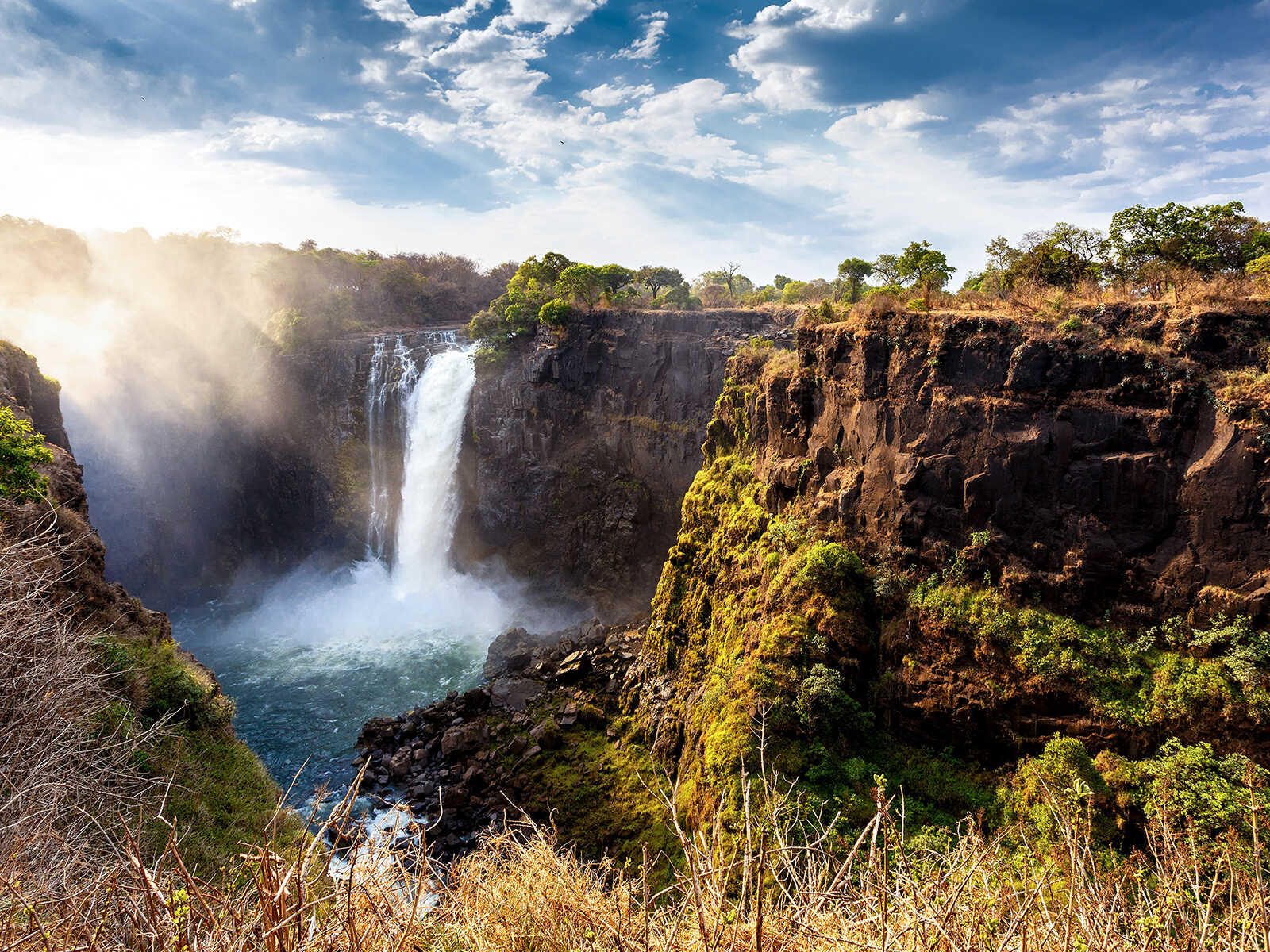
Kafue National Park Guide: Exploring Zambia's Largest Wilderness
Kafue National Park, Zambia's oldest and largest national park, offers an unparalleled African wilderness experience. Spanning an immense 22,400 square kilometers, it's a vast expanse of pristine landscapes, diverse ecosystems, and abundant wildlife waiting to be discovered.
For those seeking an authentic, uncrowded safari,Kafue National Park presents an extraordinary opportunity. Its sheer size and varied habitats, from the expansive Busanga Plains in the north to the dense woodlands and winding Kafue River in the south, guarantee a unique adventure away from the well-trodden paths.
Why Choose Kafue for Your Zambian Safari?
While Lower Zambezi National Park and South Luangwa are renowned for their intense wildlife viewing, Kafue offers something different: a true sense of exploration. It's a park for the discerning traveler, where patience is rewarded with incredible sightings and a deep connection to nature. Its relatively low visitor numbers mean you often have vast stretches of wilderness to yourself, enhancing the feeling of an exclusive safari.
The park boasts incredible biodiversity, supporting a wide range of animals and birds across its diverse environments. From the open grasslands teeming with plains game to the riverine forests home to elusive leopards, Kafue is a wildlife enthusiast's dream.
Wildlife and Ecosystems: A Tapestry of Life
Kafue's ecological diversity is its crowning glory. The park encompasses several distinct habitats, each supporting unique flora and fauna:
- The Busanga Plains:In the northern reaches, these seasonal floodplains are a true spectacle during the dry season. As the waters recede, they attract huge concentrations of plains game like puku, red lechwe, zebra, wildebeest, and buffalo, which in turn draw predators. It's one of the best places in Africa to spot cheetah and the elusive African wild dog.
- Miombo Woodlands:Covering much of the park, these vast woodlands are home to sable and roan antelope, Lichtenstein's hartebeest, and a variety of smaller mammals.
- Kafue River and its Tributaries:The lifeblood of the park, the Kafue River is lined with lush riverine forest, providing sanctuary for hippos, crocodiles, and an incredible array of water birds. Elephants and buffalo are frequently seen coming to drink.
Kafue is renowned for its predators. Lion prides are strong, especially in the Busanga Plains, and leopard sightings are common in the more wooded areas. Cheetah, though harder to spot, thrive on the open plains. The park is also a stronghold for the endangered African wild dog, offering some of the best viewing opportunities for these fascinating hunters.
Fun Fact:Kafue National Park is home to over 500 species of birds, making it one of Africa's premier birdwatching destinations. From majestic martial eagles to colorful bee-eaters and various waterfowls, bird enthusiasts will be in paradise.
Best Time to Visit Kafue National Park
The timing of your visit significantly impacts your experience in Kafue:
- Dry Season (May to October):This is generally considered the best time for game viewing. As water sources diminish, animals congregate around the permanent rivers and waterholes, making them easier to spot. The vegetation is sparser, further aiding visibility. The Busanga Plains are particularly spectacular from July to October. Temperatures are pleasant, though October can be very hot before the rains.
- Green/Wet Season (November to April):While challenging due to heavy rains and often impassable roads, the green season offers a unique perspective. The landscapes are lush and vibrant, migratory birds arrive in droves, and newborn animals can be seen. This is a paradise for birdwatchers and photographers, though wildlife viewing can be more dispersed. Some camps in the Busanga Plains close during this period.
Getting There and Around
Kafue's remote nature means getting there requires some planning:
- By Air:The most convenient way to reach the remote camps, especially in the Busanga Plains, is via light aircraft charter flights from Lusaka (Kenneth Kaunda International Airport). These flights land at various airstrips within the park.
- By Road:Kafue is accessible by road from Lusaka (approx. 3-4 hours to the park gates). However, once inside the park, a 4x4 vehicle is absolutely essential, especially if you plan to venture beyond the main access roads. Many visitors opt for organized safaris which include transfers and internal park transport.
Given the park's vastness, traveling between different areas can take several hours. It's advisable to plan your itinerary to minimize travel time and maximize game viewing in specific regions.
Activities in Kafue National Park
Kafue offers a diverse range of safari activities designed to immerse you in its wilderness:
- Game Drives:The classic safari activity, offering day and night drives in open-sided 4x4 vehicles. Night drives are particularly rewarding for spotting nocturnal animals like civets, genets, bushbabies, and, of course, the big cats on the hunt.
- Walking Safaris:A truly immersive experience, walking safaris allow you to connect with the bush on foot, guided by expert rangers. You'll learn about tracking, smaller creatures, plants, and the intricate details often missed from a vehicle.
- Boat Safaris:On the Kafue River and its tributaries, boat safaris provide a unique perspective. Glide past hippos and crocodiles, watch elephants drinking at the water's edge, and enjoy incredible birdwatching opportunities.
- Birdwatching:As mentioned, Kafue is a birder's paradise. Many lodges offer dedicated birdwatching excursions.
- Fishing:Catch-and-release fishing for bream and tigerfish is available in designated areas of the Kafue River, often arranged by lodges.
Accommodation Options
Accommodation in Kafue ranges from luxurious, all-inclusive lodges to more rustic, authentic bush camps. Many camps are small, intimate, and blend seamlessly into their surroundings, offering an exclusive and personalized experience. Most are strategically located to maximize game viewing opportunities, whether along the river or overlooking the Busanga Plains.
Booking well in advance, especially for the peak dry season, is highly recommended as camp capacities are limited.
Responsible Tourism and Conservation
Visiting Kafue National Park contributes directly to its conservation. The park faces challenges such as poaching and human-wildlife conflict, but dedicated conservation efforts by local organizations and international partners are making a significant difference. By choosing to visit and staying at reputable lodges, you support these vital initiatives and help protect Zambia's incredible natural heritage.
Always adhere to park rules, respect wildlife by maintaining a safe distance, and minimize your environmental footprint to ensure Kafue remains a pristine wilderness for generations to come.
Planning Your Unforgettable Trip
Kafue National Park promises an adventure into the heart of wild Africa. While it may require a little more planning than some of Zambia's more accessible parks, the rewards are immense: vast landscapes, diverse wildlife, and an unparalleled sense of discovery. Consider combining your Kafue safari with a visit to the majestic Victoria Falls for a truly comprehensive Zambian experience.
Pack for all eventualities – lightweight clothing, a wide-brimmed hat, sunscreen, insect repellent, and good walking shoes are essential. Don't forget your camera with plenty of memory and spare batteries to capture the magic of this extraordinary place.
Embrace the untamed beauty of Kafue National Park, and prepare for a safari that will linger in your memory long after you've returned home.