
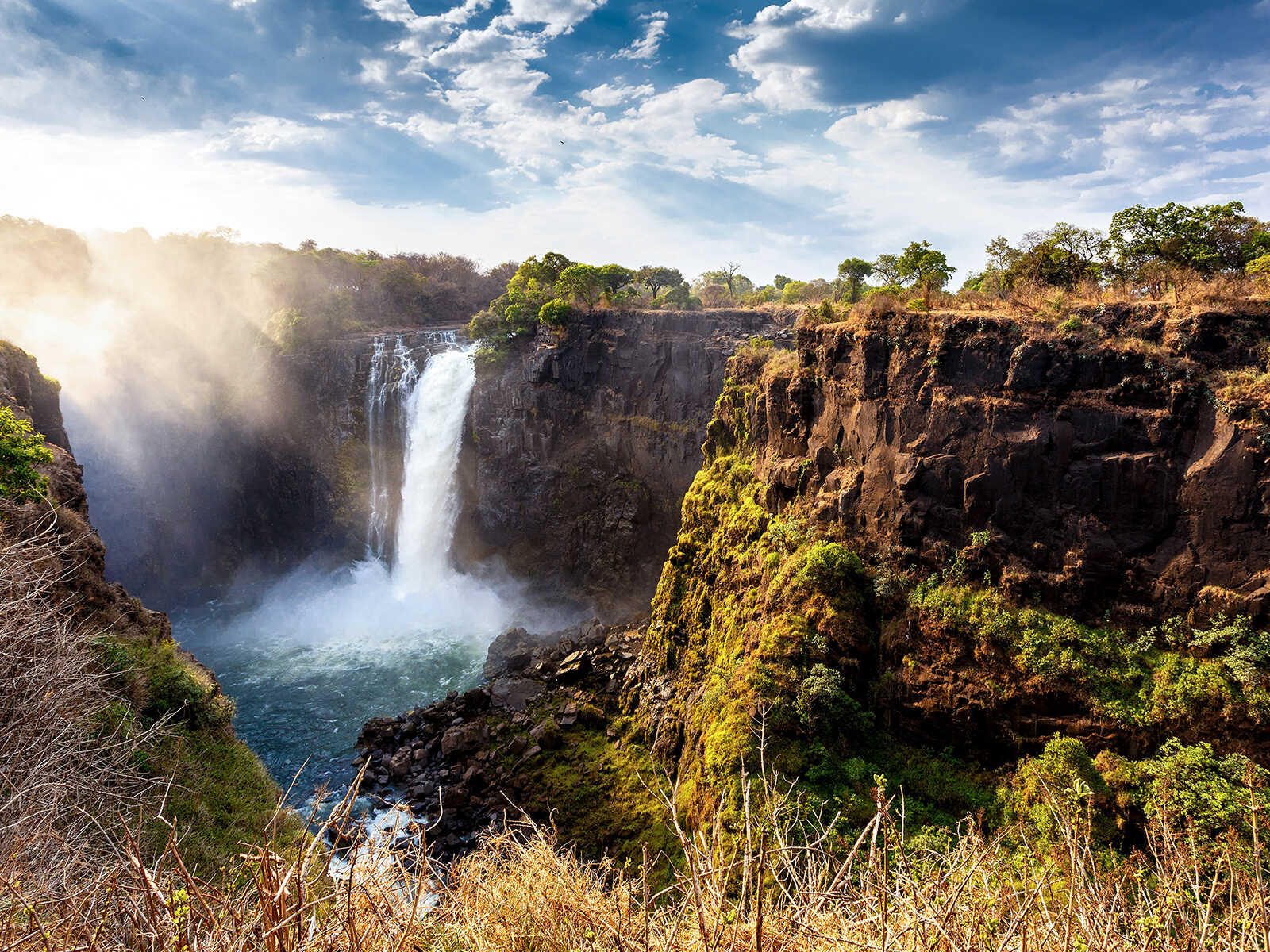
Is Zambia Safe for Tourists? Expert Safety Tips
Zambia, known as the "Real Africa," offers an authentic and unforgettable travel experience, from the majestic Victoria Falls to its pristine national parks. While generally considered a safe destination for tourists, like any international travel, understanding potential risks and taking informed precautions is key to a smooth and enjoyable adventure.
Overall Safety Assessment: A Welcoming Destination
Zambia boasts a reputation for being one of Africa's most stable and welcoming nations. Its people are renowned for their friendliness and hospitality, making visitors feel genuinely at ease. The Zambian government is committed to maintaining a safe environment for tourists, recognizing the vital role tourism plays in its economy. Most visits are trouble-free, especially for those who adhere to standard safety practices.
Crime rates, particularly those targeting tourists, are relatively low compared to many other travel destinations. The areas frequented by visitors, such as safari lodges, tourist attractions, and major hotels, generally maintain high security standards. While petty crime can occur in urban centers, violent crime against tourists is rare.
Common Safety Concerns & How to Mitigate Them
Being aware of common challenges and knowing how to navigate them will significantly enhance your safety and peace of mind.
Petty Crime (Pickpocketing, Bag Snatching)
In bustling urban areas like Lusaka and Livingstone, petty crime is the most common concern. This can include pickpocketing, bag snatching, or opportunistic theft, particularly in crowded markets, bus stations, or tourist hotspots.
- Be Vigilant:Always be aware of your surroundings, especially in crowded places.
- Secure Valuables:Keep passports, large sums of cash, and electronics out of sight. Use a money belt or secure internal pockets.
- Avoid Ostentation:Don't display expensive jewelry, cameras, or large amounts of cash.
- Bag Awareness:Keep bags securely closed and in front of you, not slung casually behind.
Wildlife Encounters
Zambia is a premier safari destination, home to incredible wildlife in parks like Lower Zambezi National Park,Kafue National Park, and Mosi-oa-Tunya National Park. While thrilling, encounters with wild animals require respect and caution.
- Always with a Guide:When on safari or engaging in walking safaris, always be accompanied by an experienced, armed guide.
- Maintain Distance:Respect the space of all animals. Never approach or try to feed wild animals.
- Lodge Safety:Follow all safety instructions at lodges and campsites, especially regarding night movements, as animals can wander through unfenced areas.
- Listen to Experts:Your safari guides are experts; their instructions are paramount for your safety and the animals' well-being.
Road Safety
Road conditions outside major cities can vary significantly, with some roads unpaved and poorly maintained. Driving standards can also differ from what you might be accustomed to.
- Avoid Night Driving:It is strongly advised to avoid driving outside urban areas after dark due to poor visibility, animals on roads, and potential security risks.
- Use Reputable Transport:Opt for established tour operators or reliable taxi services. Avoid unmarked taxis.
- Wear Seatbelts:Always wear a seatbelt.
- Public Transport:For long distances, intercity buses are generally safe but can be crowded and subject to delays. Consider flying for long distances if budget allows.
Health & Medical Safety
Health considerations are a crucial part of safe travel in Zambia.
- Malaria:Zambia is a malaria-risk area. Consult your doctor about anti-malarial medication. Use mosquito repellent with DEET, wear long sleeves and trousers at dusk and dawn, and sleep under mosquito nets provided by lodges.
- Yellow Fever:While Zambia itself is not a Yellow Fever risk country, proof of vaccination may be required if you are traveling from or transiting through a country with a risk of Yellow Fever transmission. Check current requirements well in advance.
- Water & Food:Drink only bottled or filtered water. Avoid ice in drinks unless you are certain it's made from safe water. Eat well-cooked food, and be cautious with street food.
- Medical Facilities:Medical facilities, especially outside Lusaka and Livingstone, are limited. Ensure you have comprehensive travel insurance that covers medical emergencies and emergency evacuation.
- Sun Protection:The African sun is strong. Use high-SPF sunscreen, wear a wide-brimmed hat, and stay hydrated.
Water Activities
From white-water rafting below Victoria Falls to a dip in Devils Pool, Zambia offers exhilarating water-based adventures. Safety is paramount.
- Reputable Operators:Always use licensed and reputable tour operators for any water activities.
- Follow Briefings:Pay close attention to and follow all safety briefings and instructions from your guides.
- Swimming:Exercise caution when swimming in rivers or lakes due to strong currents, hippos, and crocodiles. Only swim in designated safe areas or hotel pools.
- Kariba Dam:If visiting the Kariba Dam area, be aware of the specific safety protocols for boating and fishing on Lake Kariba.
Essential Pre-Trip Planning for a Safe Journey
Thorough preparation is the bedrock of a safe and enjoyable trip.
Travel Insurance
Comprehensive travel insurance is non-negotiable. It should cover medical emergencies, emergency evacuation (especially important for safaris in remote areas), lost luggage, and trip cancellation.
Vaccinations & Health Consultations
Visit your doctor or a travel clinic several months before your trip to discuss necessary vaccinations (e.g., Tetanus, Hepatitis A & B, Typhoid) and malaria prophylaxis.
Visa & Entry Requirements
Check the latest visa and entry requirements for your nationality well in advance with the Zambian embassy or consulate in your country. Ensure your passport is valid for at least six months beyond your intended departure date and has sufficient blank pages.
Local Laws & Customs
Zambia is a conservative country. Dress modestly, especially in rural areas and when visiting religious sites. Ask for permission before taking photos of people. Homosexuality is illegal, and public displays of affection are generally frowned upon.
Emergency Contacts
Keep a list of important contacts, including your embassy or consulate, tour operator, and local emergency services (e.g., police, medical aid), stored both digitally and physically.
Staying Safe While Exploring Zambia
Once you're on the ground, these tips will help you navigate your adventures securely.
Accommodation Choices
Opt for reputable hotels, lodges, or guesthouses with good security measures, especially in urban areas. Read reviews and consider properties that offer secure parking and 24-hour reception.
Money & Valuables
Use ATMs cautiously and preferably during daylight hours at banks or secure shopping centers. Avoid carrying large amounts of cash. Split your money and valuables between different locations (e.g., hotel safe, money belt, different bags) to minimize loss if one item is stolen.
Nightlife & Solo Travel
If enjoying nightlife in urban areas, go with a group and use reputable taxis to and from your accommodation. Solo travelers should be extra cautious, avoid walking alone at night, and inform someone of their plans.
Guided Tours & Operators
For safaris, adventure activities, and transfers, always book with established, licensed, and highly-rated tour operators. They have the expertise, equipment, and safety protocols to ensure your well-being.
Expert Tip:When booking any activity, especially those involving wildlife or adventure sports, always ask about the operator's safety record, licensing, and emergency procedures. A reputable company will be happy to provide this information.
Zambia's Strengths as a Safe Tourist Destination
Despite the common-sense precautions, it's important to highlight why Zambia remains a fantastic and safe choice for tourists:
- Friendly People:Zambians are genuinely warm and welcoming, often going out of their way to assist visitors.
- Established Tourism Infrastructure:Especially around Victoria Falls and the major national parks, the tourism industry is well-developed with professional services.
- Professional Guides:Safari guides are highly trained, knowledgeable about wildlife behavior, and prioritize client safety.
- Political Stability:Zambia has a long history of peace and political stability, providing a secure backdrop for travel.
Zambia offers an extraordinary journey into the heart of Africa, promising breathtaking landscapes, incredible wildlife, and rich cultural experiences. By following these expert safety tips, exercising common sense, and respecting local customs, you can confidently embark on a safe, memorable, and truly rewarding adventure in this magnificent country.