
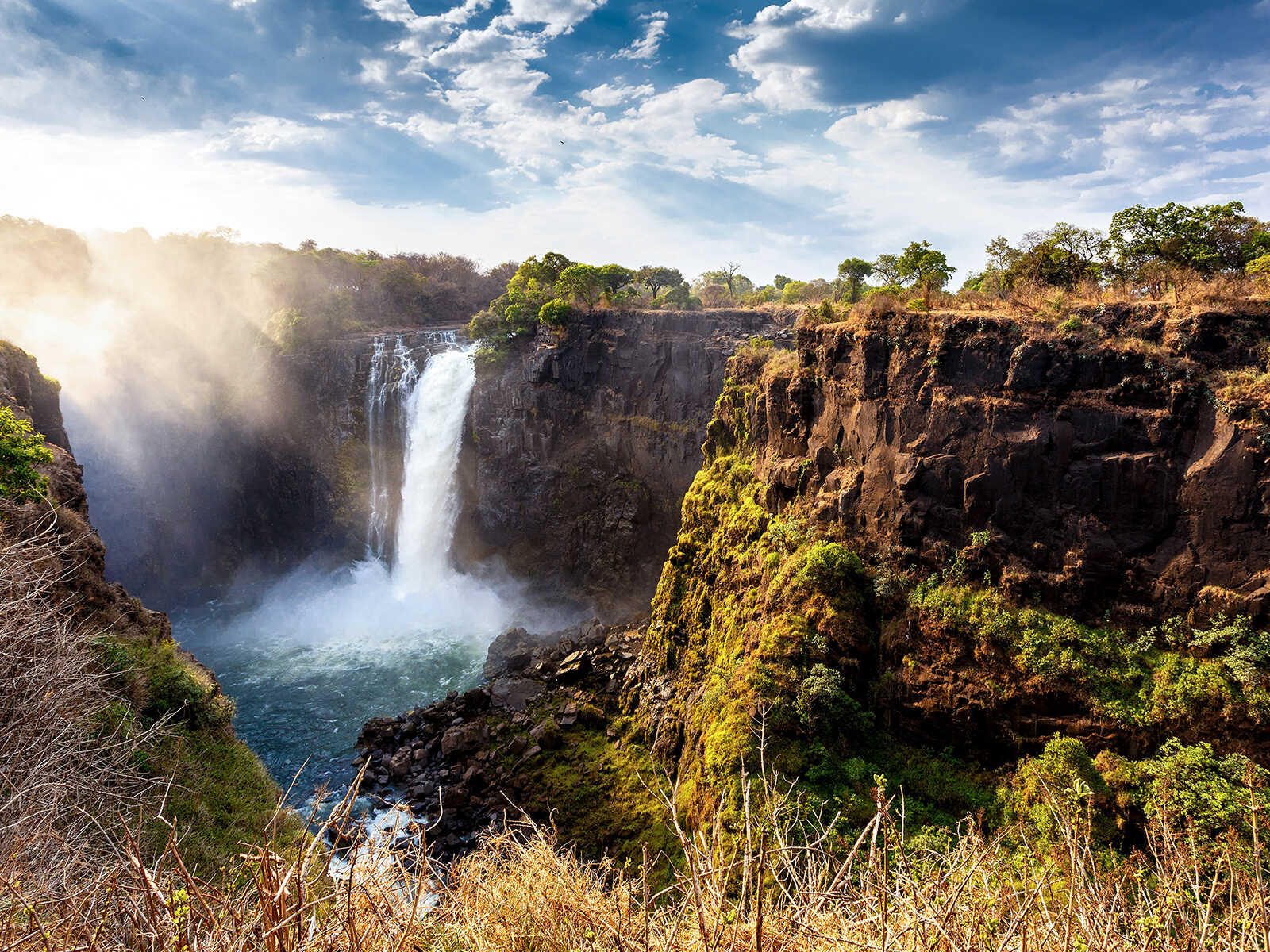
Exploring Kariba Dam: What to See and Do on Lake Kariba
Straddling the border between Zambia and Zimbabwe, Lake Kariba is one of the world's largest man-made lakes, born from the ambitious construction of the Kariba Dam. This vast inland sea offers a unique blend of historical marvel, captivating wildlife, and serene natural beauty, making it a truly exceptional destination for adventurers and relaxation seekers alike.
The Mighty Kariba Dam: A Feat of Engineering
The story of Lake Kariba begins with its colossal namesake, the Kariba Dam. Completed in 1959, this double-curvature concrete arch dam harnessed the powerful Zambezi River, creating an immense reservoir that stretches over 220 kilometers in length and up to 40 kilometers wide.
Visiting the dam wall itself is an awe-inspiring experience. From the Zambian side, you can drive across the dam wall, offering breathtaking views of the Zambezi River cascading below and the vast expanse of Lake Kariba stretching into the horizon. The sheer scale of this engineering marvel is truly humbling, a testament to human ingenuity.
Fun Fact: Operation Noah
During the dam's construction and subsequent filling, a monumental rescue effort known as "Operation Noah" was launched. Over 6,000 animals, including elephants, rhinos, lions, and countless smaller creatures, were rescued from the rising waters of the Gwembe Valley and relocated to safer ground, primarily what is now Matusadona National Park on the Zimbabwean side.
Discovering Lake Kariba: What to See and Do
Lake Kariba offers a diverse range of activities, centered around its expansive waters and the surrounding wilderness. From thrilling wildlife encounters to tranquil cruises, there's something for every type of traveler.
Wildlife Encounters by Land and Water
Lake Kariba is a significant wildlife haven, supporting a rich ecosystem. The best way to experience its wildlife is often from the water:
- Boat Safaris:Glide along the shoreline on a dedicated safari boat. You're likely to spot herds of elephants coming down to drink and bathe, hippos wallowing in the shallows, and crocodiles basking on sandy banks. The lake's islands also provide sanctuary for various species.
- Birdwatching:The area is a birder's paradise, with a wide array of aquatic and terrestrial species. Keep an eye out for African fish eagles, cormorants, kingfishers, and various storks and herons.
- Land-Based Safaris:While the lake itself is the main draw, some lodges offer game drives in the surrounding areas, providing opportunities to see antelope, zebra, and even elusive predators. For more extensive land-based safari experiences, consider combining your Kariba trip with a visit to Lower Zambezi National Park or Kafue National Park.
The Thrill of Fishing
Lake Kariba is renowned among anglers worldwide, primarily for its formidable tiger fish. These powerful, toothy predators offer an exhilarating challenge, making Kariba a top destination for sport fishing.
- Tiger Fishing:Join a fishing charter with experienced guides who know the best spots and techniques. The annual Kariba International Tiger Fish Tournament draws competitors from across the globe.
- Bream and Other Species:Beyond tiger fish, the lake is teeming with other species like bream, kapenta, and vundu, offering diverse fishing opportunities for all skill levels.
Houseboating and Lake Cruises
One of the most iconic ways to experience Lake Kariba is aboard a houseboat. These floating accommodations range from rustic and comfortable to luxurious, complete with crews, chefs, and tender boats for fishing and wildlife viewing.
- Relaxed Exploration:Spend your days cruising the lake, exploring secluded coves, fishing directly from the boat, and enjoying sundowners as the African sun dips below the horizon.
- Unique Perspective:Houseboating offers an unparalleled sense of freedom and a unique vantage point for wildlife viewing, bringing you closer to nature in comfort.
- Sunset Cruises:Even if you're not staying on a houseboat, many lodges offer shorter sunset cruises – an absolute must for photographers and romantics.
Water Sports and Relaxation
For those seeking more active pursuits, Lake Kariba presents several options:
- Kayaking and Canoeing:Explore the calmer inlets and shores by kayak or canoe, offering a quieter way to observe wildlife (always with a guide and caution due to crocodiles and hippos).
- Swimming:While caution is advised due to wildlife, some resorts and designated areas offer safe swimming opportunities.
- Shoreline Relaxation:Many lodges and campsites offer beautiful lakeside settings where you can simply relax, read a book, and soak in the tranquil atmosphere.
Connecting with Local Culture
The construction of the Kariba Dam significantly impacted the Gwembe Tonga people, many of whom were displaced from their ancestral lands. While the focus of tourism is often on the lake and wildlife, opportunities exist to learn about their resilience and culture.
- Local Markets:Explore local markets in towns like Siavonga, where you can find handcrafted souvenirs and interact with community members.
- Community Visits:Some lodges may offer guided visits to nearby villages, providing insight into the traditional way of life along the lake.
Planning Your Kariba Adventure
To make the most of your visit to Lake Kariba, consider these practical tips:
Best Time to Visit
The dry season (May to October) is generally considered the best time for wildlife viewing, as animals congregate around water sources. The cooler months of May to August are also more comfortable for outdoor activities. The wet season (November to April) brings lush green landscapes and excellent birdwatching opportunities, though some roads may be challenging.
Accommodation Options
From luxurious lakeside resorts and intimate boutique lodges to family-friendly campsites and, of course, the iconic houseboats, Lake Kariba offers a range of accommodation to suit different preferences and budgets.
Getting There
The primary access point on the Zambian side is the town of Siavonga, located directly on the lake near the dam wall. It's approximately a 2.5 to 3-hour drive from Lusaka on a well-maintained tar road. Alternatively, domestic flights can take you to smaller airstrips closer to some of the more remote lodges.
Safety and Preparedness
Always prioritize safety. Respect wildlife from a distance, heed guides' instructions, stay hydrated, and protect yourself from the sun. It's advisable to travel with reputable tour operators, especially for water-based activities.
Beyond the Falls: Kariba's Unique Allure
While Zambia is famous for the majestic Victoria Falls, Lake Kariba offers a distinct and equally captivating experience. It's a place where monumental human achievement meets untamed nature, where serene waters hold thrilling adventures, and where every sunset paints a masterpiece across the sky.
Whether you're seeking the thrill of landing a tiger fish, the peace of a houseboat safari, or simply a chance to marvel at the grandeur of the dam and its surrounding ecosystem, Lake Kariba promises an unforgettable Zambian journey.