
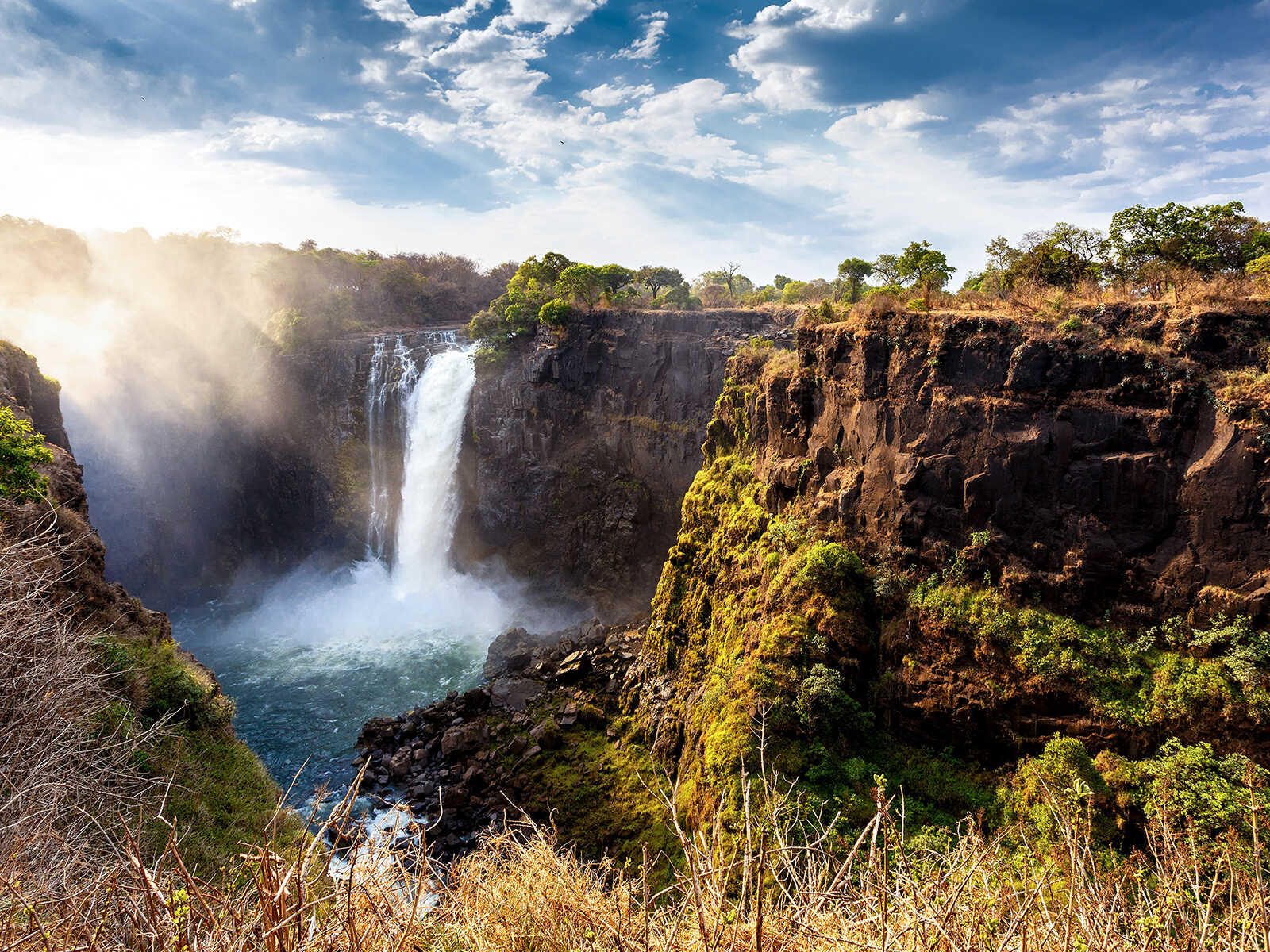
Essential Bemba & Nyanja Phrases for Your Zambia Trip
Embarking on an adventure to Zambia promises unforgettable wildlife encounters, stunning landscapes, and rich cultural experiences. While English is widely spoken, learning a few basic phrases in Bemba and Nyanja, two of the most prevalent local languages, can profoundly enhance your journey and open doors to warmer interactions with Zambians.
Why Learn Local Phrases for Your Zambia Trip?
Beyond simply getting by, making an effort to speak local languages demonstrates respect for Zambia's diverse cultures. It's a gesture that Zambians appreciate immensely, often leading to more genuine smiles, helpful guidance, and memorable conversations. Whether you're navigating the bustling markets of Lusaka, bartering for souvenirs near Victoria Falls, or seeking directions in a rural village, a few key phrases can bridge communication gaps and deepen your connection with the local people.
Zambia is home to over 70 different languages, but Bemba and Nyanja serve as lingua francas across significant parts of the country. Bemba is primarily spoken in the northern, Copperbelt, Luapula, and Muchinga provinces, while Nyanja is dominant in Lusaka, Eastern Province, and parts of Central and Southern provinces.
Basic Greetings & Essential Courtesy Phrases
Starting with a warm greeting is the cornerstone of any interaction in Zambia. Locals will be delighted by your effort, even if your pronunciation isn't perfect.
Common Greetings (Bemba & Nyanja)
- Hello:
- Bemba:Muli shani?(How are you? - formal/plural) /Uli shani?(How are you? - informal/singular)
- Nyanja:Muli bwanji?(How are you? - formal/plural) /Uli bwanji?(How are you? - informal/singular)
- Moni!(A general, less formal greeting, widely understood in Nyanja areas and often used in Bemba areas too)
- I am fine:
- Bemba:Ndili bwino
- Nyanja:Ndiri bwino
- Thank you:
- Bemba:Zikomo(widely used, even in Bemba areas) /Natotela
- Nyanja:Zikomo
- Please:
- Bemba:Nalapapata
- Nyanja:Chonde
- Excuse me / Sorry:
- Bemba:Pepani
- Nyanja:Pepani
- Yes:
- Bemba:Ee
- Nyanja:Inde
- No:
- Bemba:Awe
- Nyanja:Iyayi
- Goodbye:
- Bemba:Shalenipo(to those staying) /Naya(I am going)
- Nyanja:Ndatoka(I am tired/going) /Pitani bwino(Go well)
Getting Around & Asking for Directions
Navigating unfamiliar places is always easier with a few key phrases. These can be particularly useful when exploring city centers or asking for assistance.
- Where is...?
- Bemba:Kuli kwi...?
- Nyanja:Kuli kuti...?
- How much?
- Bemba:Impiya shinga?
- Nyanja:Ninga ndalama?
- I want to go to...:
- Bemba:Nde fwaya ukuya ku...
- Nyanja:Ndifuna kuenda ku...
- Taxi / Bus:
- Bemba:Tekisi / Basi
- Nyanja:Tekisi / Basi
- Left / Right / Straight:
- Bemba:Ku kumo / Ku kulyo / Pa ntanshi
- Nyanja:Kumanzere / Kumanja / Patsogolo
Dining & Shopping Phrases
From bargaining in a vibrant market to ordering a meal, these phrases will come in handy.
- I want...:
- Bemba:Ndefwaya...
- Nyanja:Ndifuna...
- Water:
- Bemba:Amenshi
- Nyanja:Madzi
- Food:
- Bemba:Ifilyo
- Nyanja:Chakudya
- Delicious:
- Bemba:Chilamo
- Nyanja:Chokoma
- Is it expensive?
- Bemba:Bushe chali shinga?
- Nyanja:Ndingati ndalama?
Fun Fact:Zambians are known for their warm hospitality, often inviting visitors to share meals. Knowing a few food-related phrases can make these moments even more special.
Emergencies & Seeking Help
While we hope you won't need these, it's always wise to know how to ask for help in an emergency.
- Help!
- Bemba:Taboneni!
- Nyanja:Thandizeni!
- I am sick:
- Bemba:Ndile lwala
- Nyanja:Ndirikudwala
- Hospital:
- Bemba:Chipatala
- Nyanja:Chipatala
- Call the police:
- Bemba:Itaneni bapolishi
- Nyanja:Itanani apolisi
Cultural Nuances and Tips for Using Phrases
Learning phrases is just one part of the equation; understanding the cultural context of communication is equally important.
- Be Polite:Always begin interactions with a greeting. It's considered impolite to jump straight to your request.
- Smile:A genuine smile is a universal language that breaks barriers and encourages friendly responses.
- Don't Be Afraid to Try:Locals appreciate the effort. Don't worry about perfect pronunciation; just try!
- Listen Actively:Pay attention to how locals respond. You might pick up new words or hear common phrases in action.
- Patience:Communication might take a little longer. Be patient and understand that language barriers are part of the travel experience.
Regional Language Focus for Your Itinerary
While Bemba and Nyanja are widespread, knowing which is more dominant in your specific travel areas can be helpful:
- Nyanja Dominant Areas:If your trip focuses on Lusaka, the capital city, or includes visits to the majestic Victoria Falls in Livingstone, the surrounding Mosi-oa-Tunya National Park, or wildlife viewing in Lower Zambezi National Park, Nyanja will be particularly useful. Many people in these areas also speak Tonga, especially further south.
- Bemba Dominant Areas:For adventures further north or into the Copperbelt Province, perhaps exploring areas around Kafue National Park(especially its northern reaches), Bemba will be your primary linguistic tool.
- Kariba Dam:If you're visiting the Kariba Dam and its surrounding areas, you'll encounter a mix of Nyanja, Tonga, and other local languages depending on which side of the lake you are on.
Remember that in tourist hotspots like Devils Pool at Victoria Falls, English is very common among guides and vendors, but a local phrase or two will still earn you points.
Practice Makes Perfect
The best way to learn is to practice. Don't be shy! Try out your new phrases with taxi drivers, market vendors, hotel staff, and anyone you meet. You'll be amazed at how quickly you pick things up and how much more enriching your interactions become.
Embrace the Local Tongue
Learning a few essential Bemba and Nyanja phrases is more than just a practical skill; it's an act of cultural immersion and respect. It allows you to connect with the heart of Zambia, fostering deeper understanding and creating truly unforgettable memories. So, pack your bags, practice your greetings, and prepare for a warm welcome –Zikomo!