
Birdwatching in Zambia: A Guide to Its Avian Diversity
Zambia, often celebrated for its spectacular wildlife safaris, holds a secret treasure for nature enthusiasts: an incredible avian diversity. With over 750 recorded bird species, this landlocked nation offers a truly rewarding experience for birdwatchers, from seasoned ornithologists to curious beginners.
Why Zambia is a Birdwatcher's Paradise
Zambia's varied landscapes contribute significantly to its rich birdlife. From vast savannas and dense woodlands to expansive wetlands, mighty rivers, and serene lakes, each habitat supports a unique array of species. This ecological mosaic ensures a diverse birding itinerary, promising new sightings around every corner and across every season.
Top Birdwatching Destinations in Zambia
Kafue National Park
As one of Africa's largest national parks,Kafue National Park boasts an astounding bird list exceeding 500 species. Its diverse habitats, including miombo woodlands, dambos (grasslands that flood seasonally), and the Kafue River itself, attract a wide range of birds. Key sightings here include the endemic Chaplin's Barbet, African Finfoot, Pel's Fishing Owl, and various raptors. The Busanga Plains in the north of the park are particularly renowned for their wetland species during the wet season, offering spectacular displays of storks, cranes, and herons.
Lower Zambezi National Park
The pristine wilderness of Lower Zambezi National Park, nestled along the Zambezi River, provides a superb birding experience. Riverine forests, floodplains, and the escarpment create a haven for species such as the African Skimmer, various bee-eaters (including the stunning Carmine Bee-eater), White-fronted Plover, and many kingfisher species. Boat safaris along the river are exceptional for getting close to waterbirds, while game drives reveal woodland inhabitants. The park's untouched nature ensures a tranquil and intimate birding encounter.
Victoria Falls and Mosi-oa-Tunya National Park
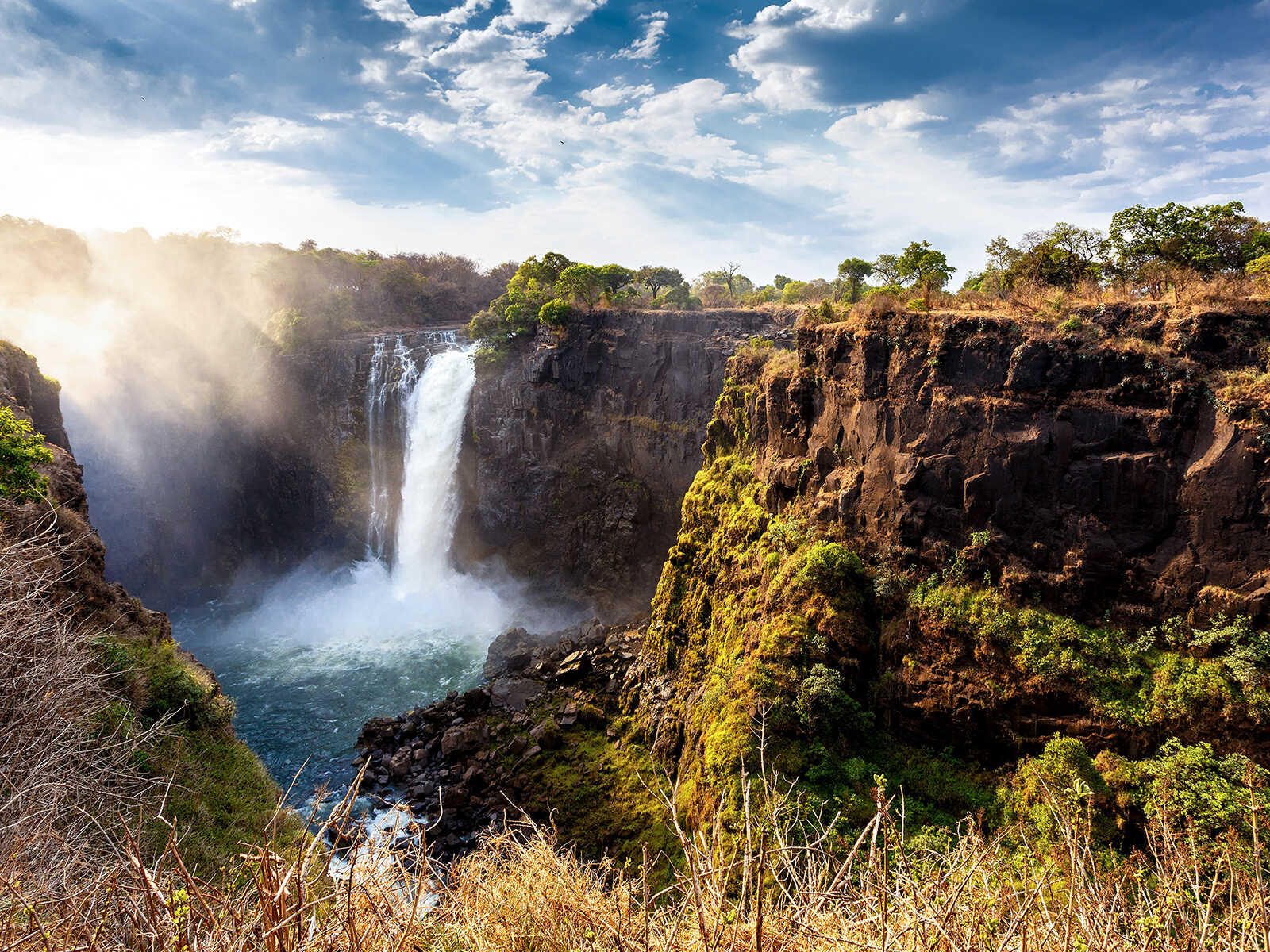
The thunderous Victoria Falls is not just a natural wonder but also a significant birding hotspot. The spray forest provides a unique microclimate supporting specific species, while the Zambezi River above the falls is excellent for waterbirds. Nearby Mosi-oa-Tunya National Park adds to the appeal, with its accessible wildlife and diverse birdlife. Look out for Rock Pratincoles nesting on the rocks during the dry season, African Fish Eagles soaring overhead, and various sunbirds and flycatchers in the riparian vegetation.
Other Notable Areas
- Bangweulu Wetlands:A true gem for specialized birders, famous as one of the best places in Africa to spot the elusive Shoebill. These vast wetlands are also home to thousands of Black Lechwe and a myriad of other waterbirds.
- Liuwa Plain National Park:While primarily known for its wildebeest migration, Liuwa Plain's extensive grasslands and seasonal pans attract a remarkable array of grassland birds, including various bustards, cranes, and raptors.
- Lake Kariba:The Zambian side of Kariba Dam and its surrounding waters offer excellent opportunities for spotting water-associated birds, including cormorants, darters, and gulls, alongside the ubiquitous African Fish Eagle.
Birding Fact:Zambia is home to the Chaplin's Barbet (Lybius chaplini), the country's only true endemic bird species. This striking bird is typically found in the miombo woodlands of south-central Zambia, particularly within Kafue National Park.
Zambia's Avian Highlights
Birdwatchers in Zambia can anticipate a breathtaking array of species. The country is a stronghold for several sought-after birds:
- Waterbirds:Expect to see Saddle-billed Storks, Goliath Herons, African Skimmers, numerous species of egrets, pelicans, and various ducks and geese. The sight of flocks of Lesser Flamingos can be particularly memorable in the right conditions.
- Raptors:Zambia's skies are patrolled by an impressive variety of birds of prey, including Martial Eagles, Bateleurs, Fish Eagles, and several species of vultures and falcons.
- Colorful Species:The vibrant colours of Woodland Kingfishers, Lilac-breasted Rollers, and various bee-eaters (including the Carmines, Little, and White-fronted) are a feast for the eyes.
- Endemics and Near-endemics:Besides the Chaplin's Barbet, Zambia offers chances to see other localized species such as the Fülleborn's Longclaw and the Black-cheeked Lovebird.
- Migratory Birds:During the wet season, Zambia becomes a crucial destination for intra-African and Palaearctic migrants, significantly boosting the bird count and offering unique viewing opportunities.
Best Time for Birdwatching in Zambia
Zambia offers excellent birding year-round, but thewet season (November to April)is generally considered the prime time for birdwatchers. This period sees the arrival of numerous migratory species, birds in their vibrant breeding plumage, and the landscape is lush and green. However, travel can be more challenging due to heavy rains and some areas becoming inaccessible.
Thedry season (May to October), while having fewer migrants, offers easier game viewing (and thus bird viewing) as vegetation thins out and birds congregate around shrinking water sources. This makes spotting easier, especially for ground-dwelling species, and the weather is generally cooler and drier, ideal for travel.
Practical Tips for Birdwatchers
To make the most of your Zambian birding adventure, consider these practical tips:
- Optics:A good pair of binoculars (8x42 or 10x42 are popular choices) is essential. A spotting scope can be invaluable for identifying distant waterbirds or raptors.
- Field Guide:Carry a comprehensive field guide to the birds of Southern Africa or East Africa.
- Photography Gear:If you're a photographer, a camera with a long telephoto lens will be beneficial for capturing those fleeting moments.
- Hire a Guide:Engage an experienced local bird guide. Their knowledge of calls, habitats, and specific species locations is unparalleled and will significantly enhance your sightings.
- Patience and Observation:Birdwatching requires patience. Spend time quietly observing, and you'll be rewarded.
- Appropriate Clothing:Wear neutral-colored clothing that blends with the environment. Long sleeves and trousers can protect against sun and insects.
- Hydration:Always carry enough water, especially during game drives and walks.
- Respect Wildlife:Maintain a respectful distance and avoid disturbing birds, especially during nesting periods.
Conservation Efforts
Zambia is committed to preserving its natural heritage. Many national parks and wildlife areas are dedicated to conservation, protecting the diverse ecosystems that support its incredible birdlife. Supporting responsible tourism, choosing eco-friendly lodges, and respecting local guidelines contribute directly to these vital conservation efforts.
Embark on Your Zambian Birding Journey
From the endemic Chaplin's Barbet in Kafue National Park to the majestic African Fish Eagle soaring over the Zambezi River, Zambia offers an unparalleled birdwatching adventure. Its vast, unspoiled wildernesses and rich diversity of habitats make it a must-visit destination for anyone passionate about avian life. Prepare to be captivated by the sights and sounds of Zambia's magnificent birds.