
Sapa Rice Terraces: Trekking Guide + Best Time to Visit
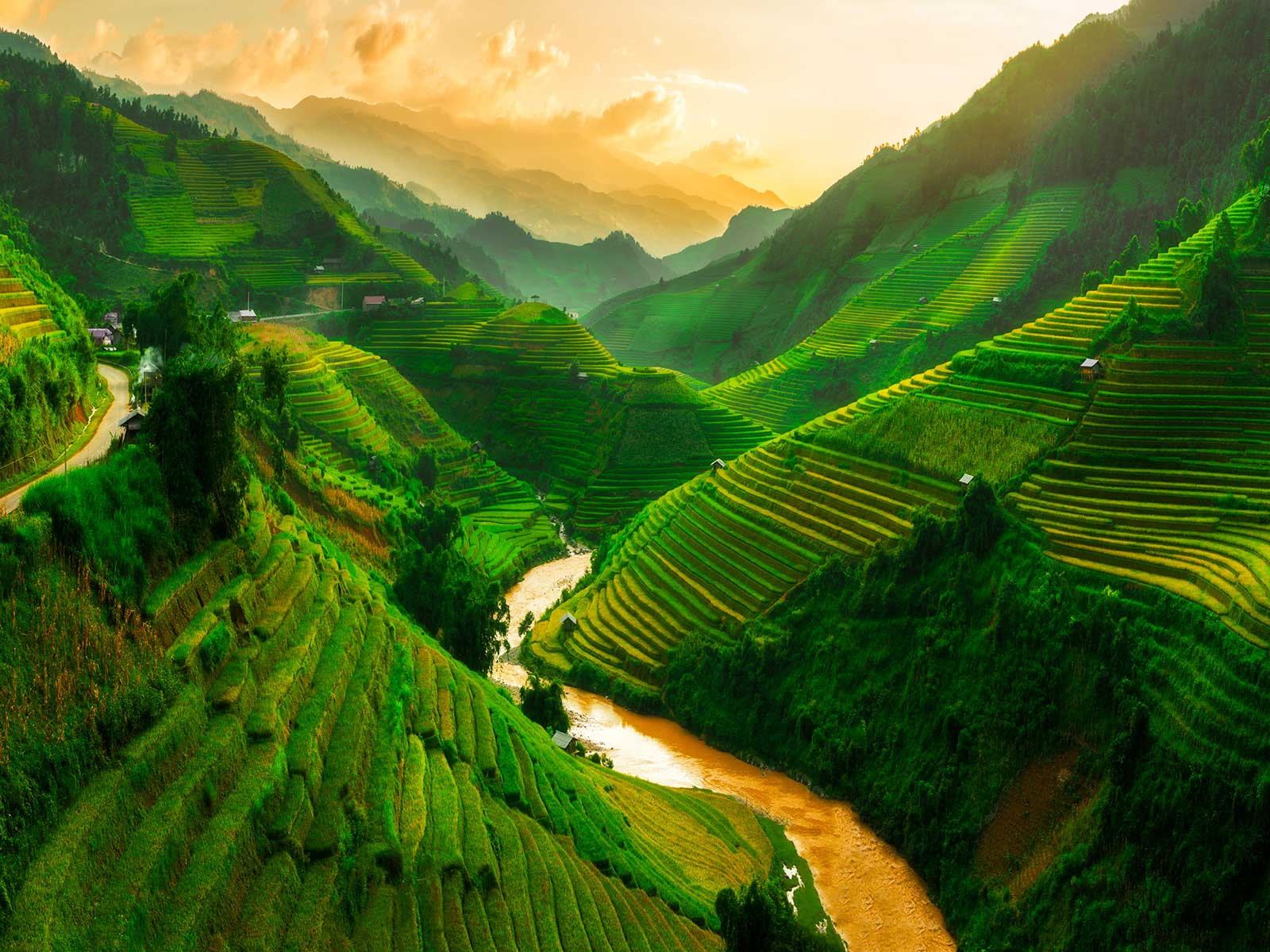
Nestled in the Hoang Lien Son mountain range of northern Vietnam, the Sapa Rice Terraces are a breathtaking testament to human ingenuity and natural beauty. These emerald and golden staircases, carved into steep hillsides by generations of ethnic minority groups, offer an unparalleled trekking experience for adventurers seeking both stunning landscapes and rich cultural immersion.
Discovering Sapa's Terraced Masterpiece
The Sapa region is renowned globally for its spectacular terraced rice fields, which cascade down mountainsides like giant natural amphitheaters. These intricate agricultural systems are not merely a sight to behold; they are a vital part of the local economy and culture, meticulously maintained by communities such as the H'Mong, Dao, Tay, and Giay. A visit here is an opportunity to witness a living landscape, where ancient traditions blend seamlessly with the rhythm of nature.
The Allure of Sapa's Rice Terraces
The terraces of Sapa are more than just fields; they are a sophisticated irrigation system that has been perfected over centuries. Each terrace is a hand-carved step, designed to hold water and cultivate rice on otherwise unworkable slopes. This ingenious method not only provides sustenance but also creates an ever-changing canvas of colors throughout the year, from the reflective sheen of flooded paddies to the vibrant green of growing rice and the golden hue of harvest season. The cultural significance is profound, reflecting a deep connection between the people and their land, a heritage that has rightly placed them on UNESCO's tentative list.
Best Time to Visit Sapa's Rice Terraces
The appearance of the Sapa Rice Terraces transforms dramatically with the seasons, offering different yet equally mesmerizing experiences. Choosing the "best" time depends on what you wish to see and experience.
Spring (March - May): The "Water Season"
During spring, farmers prepare for a new planting cycle. The terraces are flooded with water, creating a magnificent spectacle where the sky and surrounding mountains are perfectly reflected on the glassy surfaces. This period offers a unique, tranquil beauty, ideal for photography and observing the early stages of the rice cultivation process. The weather is generally pleasant, with moderate temperatures.
Summer (June - August): Lush Green Carpets
As the rice seedlings grow, the terraces transform into a vibrant, undulating sea of green. This is a fantastic time for trekking, as the trails are typically clear, and the views are lush and expansive. The air is fresh, and while there can be occasional summer showers, they often pass quickly, leaving the landscape even more vivid. This season offers a refreshing escape from the heat of lower altitudes.
Autumn (September - October): Golden Harvest
Widely considered the most iconic and sought-after time to visit, autumn brings the "golden season." The rice ripens, turning the terraces into a breathtaking panorama of shimmering gold. This period culminates in the harvest, a bustling time when local communities work together to gather their crops. The weather is generally dry and sunny, perfect for long treks and capturing postcard-perfect photographs. However, this is also peak tourist season, so expect more visitors.
Winter (November - February): Quiet Charm and Occasional Snow
Winter in Sapa can be cold, foggy, and occasionally even see light snowfall, which is a rare sight in tropical Vietnam. The terraces are less vibrant, often dormant after the harvest, or awaiting the next planting. While not the most colorful time, winter offers a unique, mystical atmosphere. Trekking might be more challenging due to potential mud or slippery conditions, but it's also a chance to experience Sapa with fewer crowds and witness the resilience of the local communities in colder conditions.
Travel Tip:For the classic golden rice terrace views, aim for late September to early October. For lush green landscapes, June to August is ideal. If you prefer fewer crowds and reflective paddies, visit in April or May.
Trekking the Sapa Rice Terraces: A Comprehensive Guide
Trekking is undoubtedly the best way to experience the Sapa Rice Terraces. It allows for intimate interaction with the landscape, the local people, and their unique way of life.
Choosing Your Trekking Experience
You can opt for a guided trek with a local ethnic minority guide or explore some areas independently. A local guide offers invaluable insights into the culture, traditions, and flora/fauna of the region, often leading you to lesser-known paths and facilitating homestay experiences in traditional villages.
- Guided Treks:Highly recommended for cultural immersion and navigating complex trails. Guides often speak English and can arrange homestays.
- Independent Treks:Possible for shorter, well-marked routes like Cat Cat Village, but be prepared with maps and aware of local customs.
- Homestays:Spending a night or two in a local village homestay is an incredible way to experience daily life, enjoy traditional meals, and support the community directly.
Popular Trekking Routes and Villages
The Sapa region offers a variety of trekking routes, catering to different fitness levels and timeframes:
- Cat Cat Village:One of the closest and most accessible villages from Sapa town. It's a relatively easy walk, offering glimpses into H'Mong life, traditional crafts, and a small waterfall. It can be quite touristy.
- Lao Chai & Ta Van Villages:A popular multi-day trek that takes you deeper into the Muong Hoa Valley. You'll pass through stunning rice terraces and spend a night in a H'Mong (Lao Chai) or Giay (Ta Van) village homestay, experiencing authentic rural life.
- Ta Phin Village:Home to the Red Dao ethnic group, known for their distinctive red headscarves and traditional herbal baths. Treks to Ta Phin often involve scenic routes through rice paddies and bamboo forests.
- Muong Hoa Valley:This expansive valley, stretching southwest of Sapa town, is the heart of the terraced rice fields and where most multi-day treks occur. It connects many ethnic villages and offers the most panoramic views.
Essential Trekking Tips
To ensure a comfortable and enjoyable trekking experience, keep the following in mind:
- Footwear:Sturdy, waterproof trekking shoes with good grip are essential. Trails can be muddy and slippery, especially after rain.
- Clothing:Dress in layers. Temperatures can vary, and conditions can change quickly. A waterproof and windproof jacket is highly recommended.
- Rain Gear:Even outside the rainy season, sudden downpours can occur. Pack a lightweight rain poncho or jacket.
- Water & Snacks:Carry plenty of water and some energy-boosting snacks.
- Sun Protection:A hat, sunglasses, and sunscreen are crucial, even on cloudy days.
- Backpack:A small daypack for your essentials.
- First-Aid Kit:Basic supplies for blisters, cuts, and insect bites.
- Cash:Small denominations for purchases in villages or to tip your guide.
- Respect Local Culture:Dress modestly, especially when visiting villages. Always ask for permission before taking photos of people. Avoid giving money or candy directly to children; instead, support local businesses or community projects.
- Physical Fitness:Treks can range from easy walks to challenging multi-day hikes with significant elevation changes. Assess your fitness level before choosing a route.
What to Expect on Your Trek
Be prepared for varied terrain, including narrow paths, muddy sections, and steep ascents/descents. You'll encounter friendly locals, often women and children from ethnic minority groups, who may walk with you, offering handicrafts for sale. While their persistence can sometimes be overwhelming, remember they are trying to make a living. A polite "no, thank you" is usually sufficient. Embrace the unexpected, from stray buffalo on the path to stunning vistas emerging from the mist.
Beyond the Terraces: Other Sapa Attractions
While the rice terraces are the star attraction,Sapa offers more to explore:
- Fansipan Peak:Ascend the "Roof of Indochina" via cable car for panoramic views (weather permitting).
- Sapa Town:Explore the vibrant Sapa market, try local cuisine, and visit the Stone Church.
- Silver Waterfall (Thac Bac) & Love Waterfall (Thac Tinh Yeu):Scenic waterfalls located a short drive from town.
Getting to Sapa
Most travelers reach Sapa from Hanoi Old Quarter. Options include:
- Sleeper Train:An overnight journey to Lao Cai, followed by a bus or taxi to Sapa.
- Sleeper Bus:Direct overnight buses from Hanoi to Sapa.
- Limousine Van:Faster and more comfortable direct vans, often with door-to-door service.
Responsible Tourism in Sapa
To preserve the beauty and culture of Sapa, practice responsible tourism:
- Support Local:Hire local guides, stay in homestays, and buy handicrafts directly from the artisans.
- Minimize Impact:Stick to marked trails, carry out all your trash, and avoid disturbing wildlife or damaging crops.
- Cultural Sensitivity:Respect local customs, traditions, and privacy. Ask before taking photos.
Conclusion
The Sapa Rice Terraces offer an unforgettable journey into Vietnam's mountainous heartland. Whether you're captivated by the reflective waters of spring, the lush greens of summer, or the golden hues of autumn, trekking through these magnificent landscapes provides a profound connection to nature and a deeper understanding of the resilient cultures that call this region home. Plan your trip wisely, pack your sense of adventure, and prepare to be mesmerized by the timeless beauty of Sapa.