
Best Time to Visit Vietnam: North vs South Weather Guide
Planning a trip to Vietnam means navigating a country stretched over 1,600 kilometers, resulting in vastly different weather patterns from north to south. Understanding these regional climates is key to ensuring your adventure aligns perfectly with your travel desires, whether you're seeking sunny beaches or cool mountain treks.
Vietnam's elongated S-shape gives rise to three distinct climatic zones: the North, Central, and South. Each region experiences its own unique seasons, influenced primarily by tropical monsoons, making a 'one-size-fits-all' travel window practically impossible. Let's delve into the specifics to help you pick the perfect time for your Vietnamese escapade.
Understanding Vietnam's Climate Zones
While often generalized as a tropical country, Vietnam's climate is more complex. The North experiences four distinct seasons, the Central region has a transitional climate, and the South enjoys a consistent tropical rhythm of dry and wet seasons. This diversity means you could be shivering in the mountains of the North while basking in sunshine on a southern beach on the very same day!
North Vietnam: Seasons and Best Times to Visit
The North, encompassing destinations like Hanoi,Halong Bay,Sa Pa, and Hà Giang, is characterized by four distinct seasons.
Northern Dry Season (October - April)
This period is generally considered the best time to visit Northern Vietnam. The weather is typically cool and dry, with pleasant temperatures perfect for exploring cities and enjoying outdoor activities.
- October - December:These months offer some of the most ideal conditions. Temperatures are comfortable, rainfall is minimal, and skies are generally clear. It's fantastic for cruising Halong Bay's emerald waters, exploring the bustling streets of Hanoi Old Quarter, or embarking on trekking adventures in Hà Giang.
- January - March:The weather becomes cooler, especially in January and February, when temperatures can drop to 10-15°C (50-59°F), sometimes even lower in mountainous areas like Sa Pa. Fog and mist are common, creating an atmospheric, albeit chilly, experience. March sees temperatures gradually rising, and spring flowers begin to bloom.
- April:A transition month, April generally offers pleasant warmth before the summer heat and humidity set in. It's still a great time for sightseeing, though occasional light showers might start appearing towards the end of the month.
Northern Wet Season (May - September)
The summer months bring hot, humid weather and heavy rainfall, particularly from July to September. These downpours can be intense but often short-lived, clearing to reveal lush, vibrant landscapes.
- May - June:Temperatures rise significantly, often exceeding 30°C (86°F), with increasing humidity. Showers become more frequent, but generally don't disrupt travel plans too much.
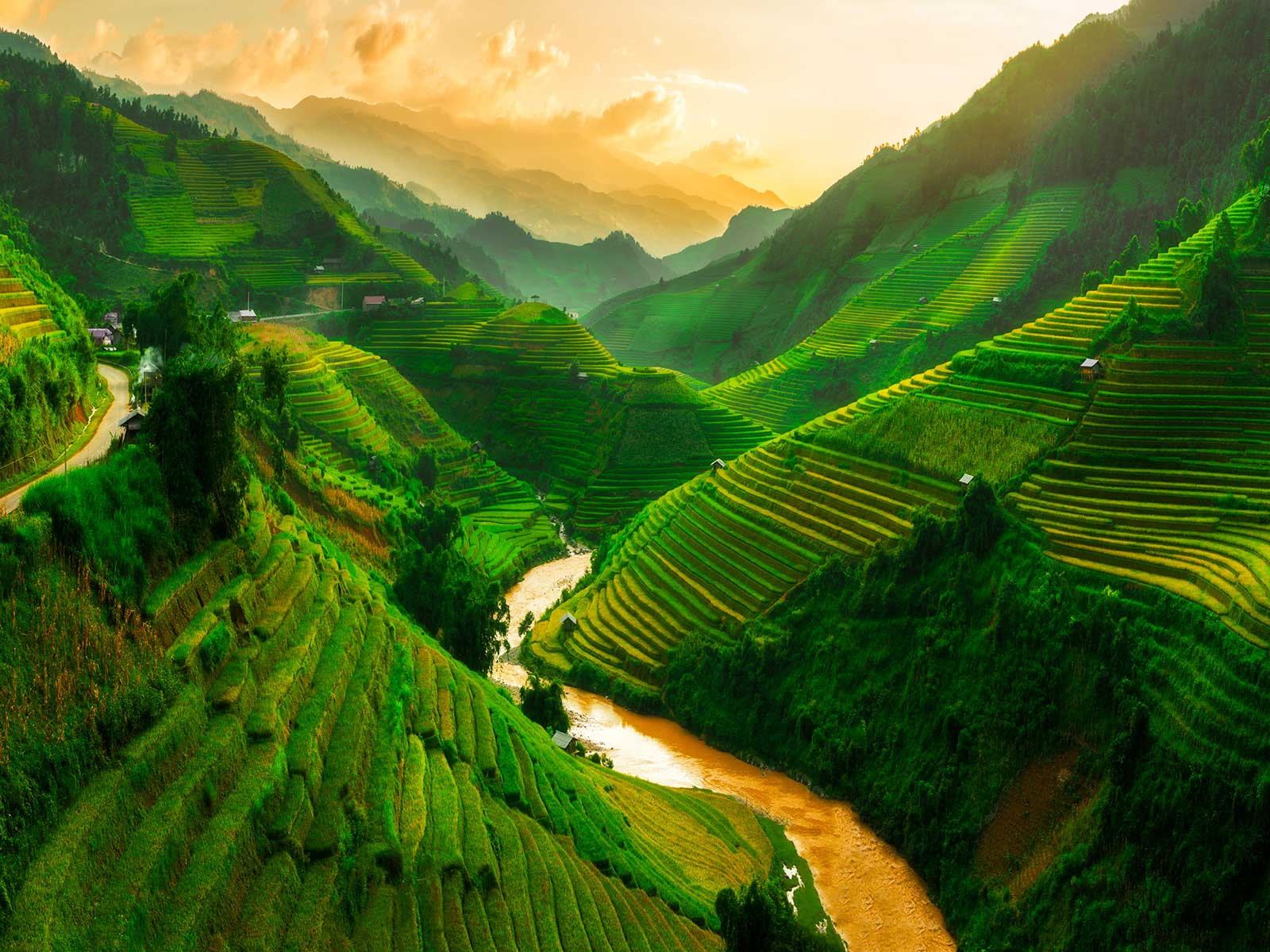
- July - September:This is the peak of the rainy season, with the highest rainfall and the risk of typhoons, especially in coastal areas and the Gulf of Tonkin. While trekking might be challenging due to muddy trails, the rice paddies in areas like Sa Pa are incredibly green and beautiful during this time.
Travel Tip:If visiting Northern Vietnam in the cooler months, pack layers! Mornings and evenings can be quite chilly, especially on Halong Bay cruises or in mountain towns like Sa Pa.
Central Vietnam: A Transitional Zone
Central Vietnam, home to Huế,Hội An,Mỹ Sơn, and Nha Trang, experiences a climate that blends aspects of both North and South, but with its own distinct rainy season.
Central Dry Season (February - August)
This period offers the best weather for exploring Central Vietnam's historical sites and enjoying its beautiful coastline.
- February - May:These are arguably the best months to visit Central Vietnam. The weather is warm, dry, and sunny, with pleasant temperatures ideal for exploring the ancient town of Hội An, the imperial city of Huế, or the majestic caves of National Park of Phong Nha Ke Bang. Beach destinations like Nha Trang are also at their best.
- June - August:While still dry and sunny, these months can be extremely hot, with temperatures often reaching 35-40°C (95-104°F). Beach lovers might enjoy the heat, but sightseeing can be arduous.
Central Wet Season (September - January)
This region experiences a concentrated rainy season, which can be quite severe.
- September - November:This is the peak rainy season, with heavy rainfall and the highest risk of typhoons and flooding, particularly in October and November.Hội An is especially prone to flooding during this time. While some travelers don't mind the rain, it can significantly impact outdoor activities and transportation.
- December - January:Rainfall starts to decrease, and temperatures become cooler and more pleasant, making it a better time to visit towards the end of this period.
South Vietnam: Tropical All Year Round
The South, including Ho Chi Minh City, the Mekong Delta(Cần Thơ),Mũi Né, and the Củ Chi Tunnels, has a consistently tropical climate with two main seasons: dry and wet.
Southern Dry Season (December - April)
This is the most popular time to visit Southern Vietnam, offering abundant sunshine and comfortable conditions.
- December - February:These months provide the most pleasant weather, with warm temperatures, low humidity, and plenty of sunshine. It's perfect for exploring Ho Chi Minh City, cruising the Mekong Delta, relaxing on the beaches of Mũi Né, or exploring the Củ Chi Tunnels.
- March - April:Temperatures begin to soar, often reaching over 35°C (95°F), making it quite hot and humid, especially in April. While still dry, intense heat can make daytime activities challenging.
Southern Wet Season (May - November)
The wet season in the South is characterized by frequent, short, and intense afternoon downpours, which are often a welcome relief from the heat.
- May - July:The rainy season begins, bringing higher humidity and regular afternoon showers. These rains typically last an hour or two, clearing up quickly to reveal sunshine. This can be a great time to visit, as the landscapes are incredibly lush, and tourist crowds are thinner.
- August - November:Rainfall continues, often with stronger downpours, but the pattern of short, heavy showers followed by clear spells generally holds. Typhoons are rare in the South, unlike the Central and Northern regions. The Mekong Delta, in particular, becomes vibrant and rich during this time.
Planning Your Vietnam Adventure: A Month-by-Month Guide
Considering Vietnam's diverse climate, here’s a quick overview to help you decide:
- December - February:Excellent almost nationwide. North is cool/dry, Central is pleasant, South is warm/dry. Ideal for a multi-region trip.
- March - April:Great for North (warming up) and Central (hot/dry). South gets very hot.
- May - July:North starts its rainy season, Central is hot/dry, South experiences afternoon showers. Good for specific regions or if you don't mind some rain.
- August - November:Challenging for North and Central due to heavy rains and typhoon risk. South still experiences its wet season, but typically with manageable afternoon showers. Could be ideal for a South-focused trip if you prefer fewer crowds and lush scenery.
Key Takeaways for Your Trip
Ultimately, the "best" time to visit Vietnam depends on your itinerary and priorities. Here are some final tips:
- Embrace Diversity:Don't try to find one perfect time for the entire country. Instead, focus on the region(s) you're most interested in.
- Pack Smart:Layers are crucial for the North, even in the dry season. Light, breathable clothing is essential for the Central and South. Always carry rain gear, especially during the wet season, and sun protection year-round.
- Don't Fear the Rain:While the wet season can bring challenges, it also means fewer tourists, lower prices, and incredibly lush, vibrant landscapes. Many travelers enjoy the refreshing afternoon showers.
- Flexibility is Key:Weather patterns can be unpredictable. Keep an eye on local forecasts and be prepared to adjust your plans if necessary, particularly during typhoon season in the Central region.
Whether you're exploring the ancient history of Huế, cruising through Halong Bay's karsts, or navigating the vibrant Mekong Delta, Vietnam offers incredible experiences year-round. By understanding its regional climates, you can tailor your visit to maximize enjoyment and create unforgettable memories.