
Wildlife Wonders of Venezuela: A Seasonal Guide to Nature Spotting
Venezuela, a country blessed with an extraordinary tapestry of ecosystems, offers unparalleled opportunities for wildlife enthusiasts. From the vast plains of the Llanos to the misty Andean peaks and the vibrant Caribbean coast, understanding the seasonal rhythms is key to unlocking the best nature spotting experiences.
Venezuela's Diverse Ecosystems: A Canvas of Life
Boasting a remarkable variety of habitats, Venezuela is a mega-diverse nation. Its landscapes range from the immense, wildlife-rich Orinoco Delta and the sprawling savannas of the Llanos to the dense Amazon rainforest, the high-altitude Andes mountains near Mérida, and the pristine coral reefs of its Caribbean islands like Los Roques and Isla de Margarita. This geographical diversity translates into an astonishing array of flora and fauna, making every visit a unique adventure.
Navigating the Seasons: When to Spot What
Venezuela experiences two primary seasons: the dry season and the wet season. Each brings distinct advantages and challenges for wildlife viewing.
The Dry Season (December to April)
The dry season, characterized by less rainfall and receding water levels, is often considered the prime time for wildlife spotting, especially in the Llanos. Animals congregate around dwindling water sources, making them easier to observe.
- Llanos Grasslands:This is arguably the best destination during the dry months. Vast herds of capybaras, numerous species of caiman, anacondas, and giant anteaters are frequently seen. Birdlife is spectacular as migratory species arrive and resident birds are more active. Water birds are concentrated in shrinking lagoons.
- Amazon Region:While the rainforest is always lush, reduced rainfall can make some trails more accessible for tracking monkeys, sloths, and a myriad of bird species.
- Coastal & Marine Areas:Conditions are generally excellent for diving, snorkeling, and boat trips to observe marine life around Los Roques,Mochima National Park, and Morrocoy National Park. Visibility is usually at its best, perfect for spotting sea turtles, dolphins, and vibrant coral reef inhabitants.
Did You Know?The Llanos of Venezuela is home to the world's largest rodent, the capybara, which can often be seen in large family groups, especially during the dry season.
The Wet Season (May to November)
The wet season transforms the landscape into a vibrant, emerald paradise. While some areas become less accessible, this period offers unique wildlife experiences, particularly for birdwatching and observing lush vegetation.
- Llanos Grasslands:The plains flood, creating immense wetlands. While animals disperse, birdwatching can be exceptional as many species breed. It's a fantastic time for boat safaris to see aquatic life and wading birds.
- Amazon & Guayana Highlands:The rainforest truly comes alive. Waterfalls, including Angel Falls, are at their most spectacular with full water flow. This is an excellent time for observing amphibians, insects, and lush plant growth. Trails can be muddy, but the rewards are lush scenery and vibrant life.
- Andean Region:The cloud forests around Mérida are incredibly rich in biodiversity during the wet season, with blooming orchids and a greater chance to spot elusive birds like the Andean cock-of-the-rock. Trekking to higher peaks like Pico Bolivar might be more challenging due to weather.
- Bird Migration Hotspots:Henri Pittier National Park, Venezuela's oldest national park, becomes a critical stopover for migratory birds, making the wet season an exceptional time for serious birdwatchers.
Spotlight on Key Wildlife and Habitats
The Llanos: A Savanna Safari
The vast central plains are the undisputed heart of Venezuela's wildlife viewing. Beyond capybaras and caimans, you might encounter giant anteaters, pumas, jaguars (though very shy), spectacled bears in transitional areas, and an astonishing array of birds including scarlet ibises, hoatzins, and diverse raptors. The seasonal shift here is dramatic, influencing animal behavior and visibility.
Amazon Rainforest: Biodiversity at its Peak
Venezuela's southern reaches blend into the Amazon Basin, offering dense rainforest experiences. Here, expect to see various monkey species, sloths, toucans, macaws, and countless insects. While jaguars and tapirs are present, they are incredibly elusive. Exploring the rivers via canoe is often the best way to observe life along the banks, particularly around the Orinoco Delta.
Andean Cloud Forests: High-Altitude Wonders
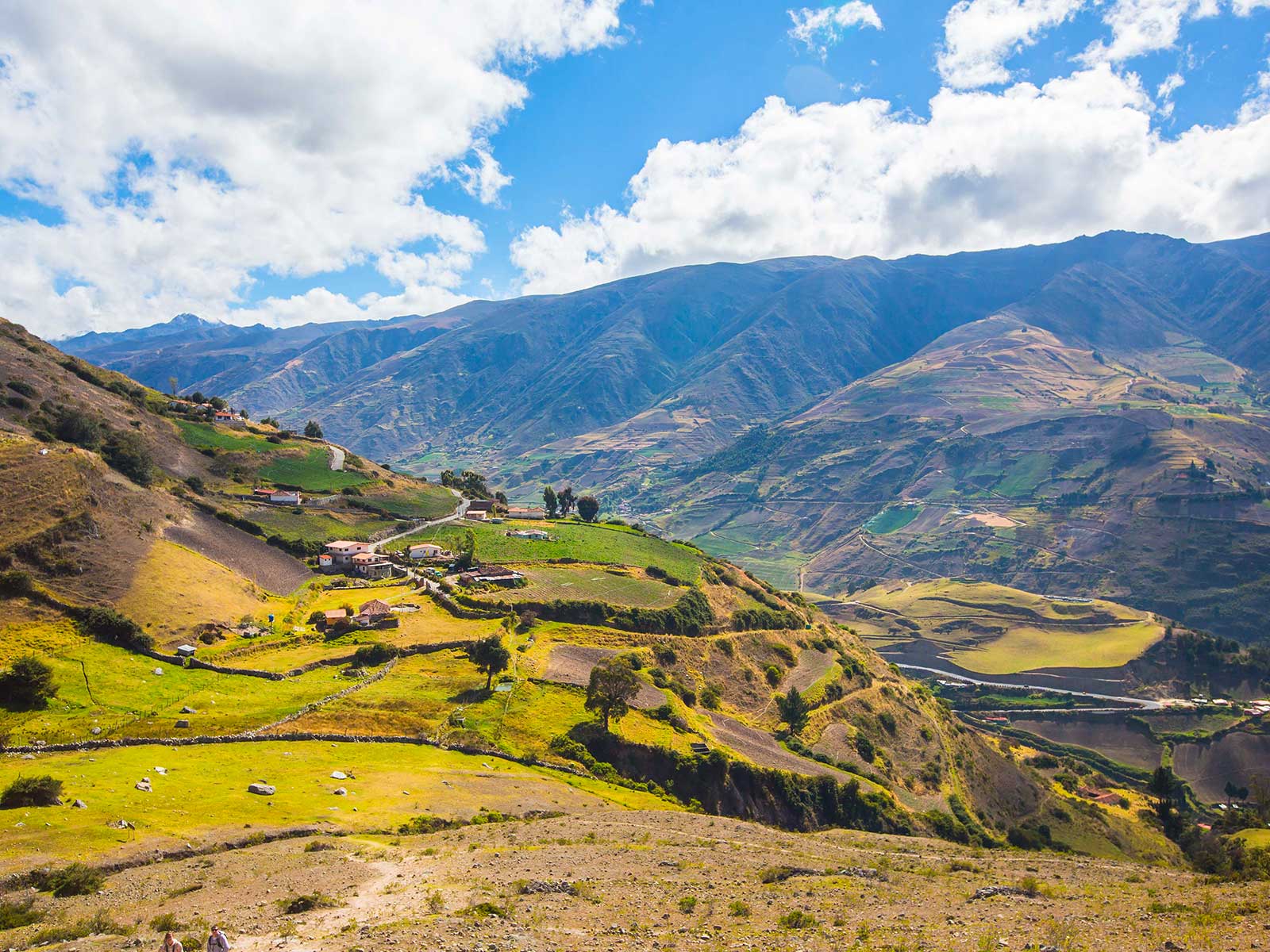
The Venezuelan Andes are home to unique high-altitude ecosystems. Cloud forests are rich in endemic species, vibrant orchids, and bromeliads. Look for the striking Andean cock-of-the-rock, various hummingbird species, and, if you're incredibly lucky, the elusive spectacled bear. The páramo grasslands above the treeline host unique flora and specialized birds. The area around Mérida is a fantastic base for exploring this region.
Caribbean Coast & Islands: Marine Marvels
Venezuela's extensive coastline and numerous islands offer superb marine biodiversity. The coral reefs of Los Roques,Mochima National Park, and Morrocoy National Park teem with colorful fish, sea turtles, rays, and even dolphins. Mangrove forests provide crucial habitats for crabs, migratory birds, and juvenile fish. Coastal areas also host important nesting sites for various seabirds.
Medanos de Coro National Park: Desert Adaptations
This unique desert landscape, with its vast shifting dunes, offers a different kind of nature spotting. While not teeming with large mammals, it's a fascinating place to observe desert-adapted flora and fauna, including various reptiles, birds, and insects that thrive in this arid environment. After rare rains, ephemeral pools can attract unique birdlife.
Ethical Wildlife Viewing Tips
- Maintain Distance:Always keep a respectful and safe distance from all wildlife. Never approach or try to touch animals.
- Do Not Feed:Feeding wild animals can alter their natural behavior, make them dependent, and expose them to health risks.
- Hire Local Guides:Experienced local guides possess invaluable knowledge of the ecosystems, animal behaviors, and best spotting locations. They also ensure your visit supports local communities.
- Leave No Trace:Pack out everything you pack in. Do not disturb vegetation or take souvenirs from nature.
- Be Patient and Quiet:Wildlife is often best observed when you are still, quiet, and allow them to go about their natural activities.
Planning Your Wildlife Adventure
When planning your trip, consider what specific animals or experiences you hope to have. If your dream is to see large concentrations of capybaras and caimans, aim for the dry season in the Llanos. If you're a keen birder, the wet season and locations like Henri Pittier National Park might be ideal. Always pack binoculars, a good camera with a zoom lens, insect repellent, appropriate clothing for tropical climates, and sturdy footwear.
Venezuela's natural beauty and incredible biodiversity are treasures waiting to be discovered. By understanding its seasons and respecting its wild inhabitants, you can embark on an unforgettable journey through one of the planet's most spectacular natural wonders.