
Venezuelan Wildlife Guide: What Animals You'll See and Where
Venezuela, a country blessed with an extraordinary range of ecosystems, offers a breathtaking spectacle of biodiversity. From vast grasslands to towering tepuis and vibrant coral reefs, its varied landscapes host an incredible array of unique wildlife. This guide will help you discover what animals you can encounter and the best places to find them.
Venezuela's Diverse Habitats: A Wildlife Paradise
Venezuela boasts an impressive ecological tapestry, encompassing Amazon rainforest, Andean peaks, Caribbean coastlines, expansive plains (Llanos), and unique table mountains (tepuis). This geographical diversity fosters an incredible richness in flora and fauna, making it a prime destination for nature enthusiasts and wildlife photographers.
The Llanos: Where Wildlife Roams Free
The vast central plains, known as the Llanos, are arguably Venezuela's most accessible and rewarding wildlife viewing destination. During the dry season (roughly November to April), as water recedes, animals congregate around remaining water sources, making sightings almost guaranteed. Here, you'll feel like you've stepped into a real-life nature documentary.
- Mammals:The Llanos are home to the world's largest rodent, thecapybara, often seen in large groups. You might also spot giant anteaters, pumas, ocelots, and various deer species.
- Reptiles:Look out for imposingcaimans(related to alligators) basking on riverbanks, and if you're lucky, ananacondaor two.
- Birds:Birdwatchers will be in paradise with hundreds of species, including the striking scarlet ibis, herons, storks, spoonbills, and various raptors.
Tip:The best way to experience the Llanos is by staying at a working cattle ranch (hato) that offers guided wildlife tours. Activities often include boat trips, jeep safaris, and horseback riding.
The Amazon Rainforest: Realm of the Jaguar
Venturing into Venezuela's southern reaches brings you to the edge of the Amazon rainforest, a dense and mysterious world brimming with life. While sightings can be more challenging due to the thick vegetation, the rewards are immense.
- Mammals:This is prime habitat for elusive jaguars, tapirs, giant otters, and a variety of monkeys, including howler, capuchin, and spider monkeys. Sloths are also common, moving slowly through the canopy.
- Birds:Macaws, toucans, harpy eagles, and hundreds of other bird species fill the air with calls and vibrant colors.
- Reptiles:Expect to find various snake species, including boa constrictors, and different types of lizards.
Coastal & Marine Environments: Underwater Wonders
Venezuela's extensive Caribbean coastline and offshore islands offer a rich marine ecosystem, perfect for divers, snorkelers, and beachcombers.
- Los Roques:The archipelago of Los Roques is a national park renowned for its pristine coral reefs, crystal-clear waters, and abundant marine life. Here you can swim alongside colorful reef fish, sea turtles, sharks, and rays.
- Morrocoy National Park:Further east,Morrocoy National Park offers similar delights with its mangroves, cays, and vibrant coral formations, attracting a myriad of fish and marine birds.
- Mochima National Park:On the northeastern coast,Mochima National Park provides a stunning combination of mountains meeting the sea, home to dolphins, whales (seasonal), and a diverse bird population along its rocky shores and islands.
- Orinoco Delta:The vast Orinoco Delta is a unique labyrinth of waterways and mangroves, home to river dolphins, manatees, piranhas, and an incredible array of waterfowl and wading birds. Indigenous Warao communities often offer guided tours deep into the delta.
The Andes Mountains: High-Altitude Encounters
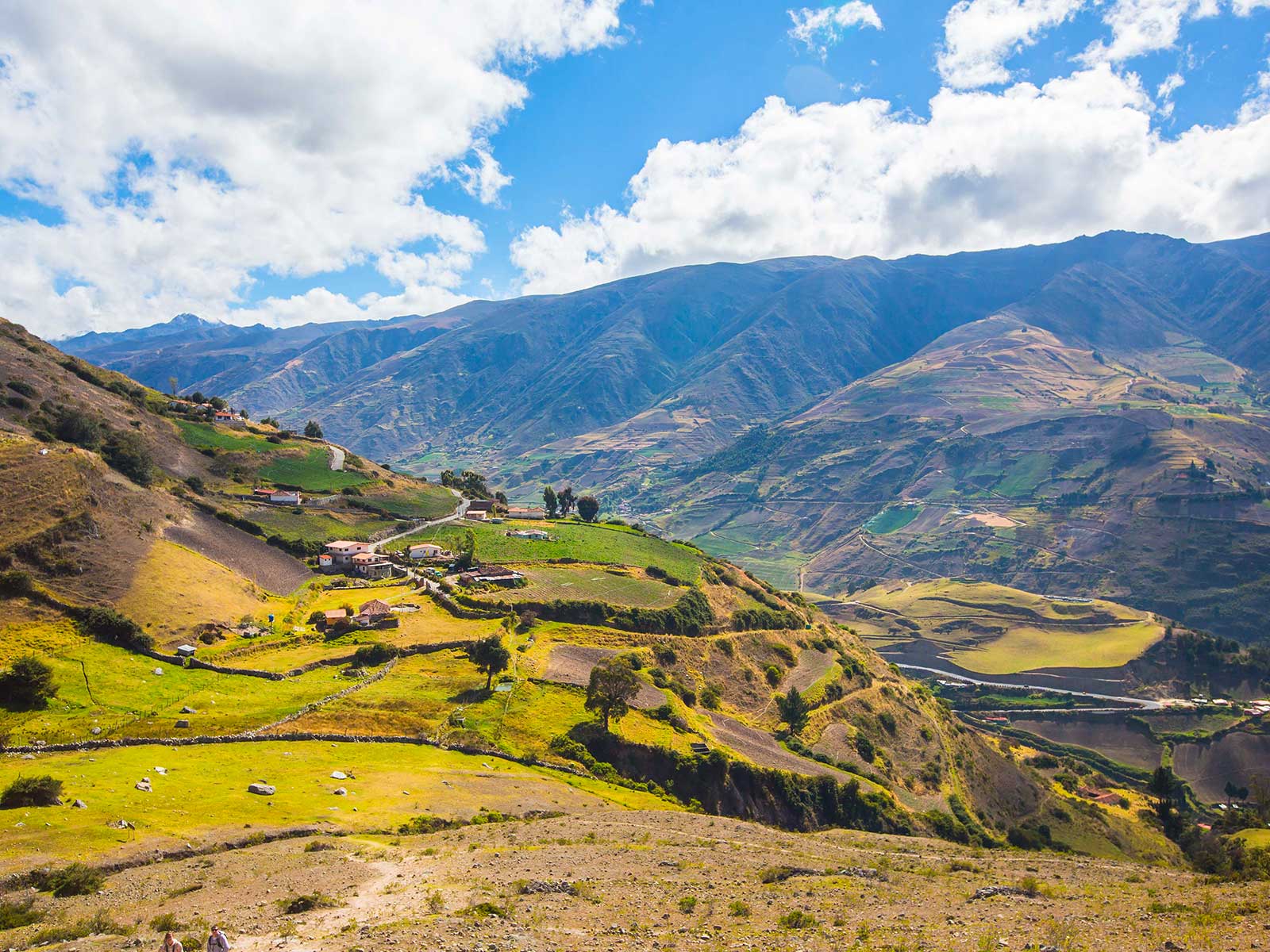
In western Venezuela, the majestic Andes mountains offer a cooler, high-altitude environment with its own unique set of species. The region around Mérida and Pico Bolivar is a gateway to this rugged landscape.
- Mammals:The elusivespectacled bear(South America's only bear species) roams these forests, though sightings are rare. Other mammals include various deer, pumas, and small rodents.
- Birds:The most iconic avian resident is the majesticAndean condor, soaring on thermal currents. Hummingbirds, tanagers, and various raptors are also common.
Tepuis & Gran Sabana: Ancient Landscapes, Endemic Life
The ancient table mountains (tepuis) of the Gran Sabana in southeastern Venezuela, including the areas around Angel Falls and Mount Roraima, are truly unique. These isolated "sky islands" have fostered the evolution of many endemic species, found nowhere else on Earth.
- Flora & Fauna:While large mammals are less common, the tepuis are a botanist's dream, with unique carnivorous plants, orchids, and bromeliads. Many amphibians, reptiles, and insects are also endemic to these isolated ecosystems.
Cloud Forests: Mystical and Lush
Regions like Henri Pittier National Park, located between the Andes and the Caribbean, are characterized by lush cloud forests. These misty, humid environments are incredibly rich in biodiversity.
- Mammals:Howler monkeys, capuchin monkeys, sloths, and various small carnivores thrive here.
- Birds:This is a prime spot for birdwatching, with countless species including quetzals, toucanets, and a multitude of hummingbirds and tanagers.
- Amphibians & Reptiles:The humid conditions are ideal for a wide variety of frogs, salamanders, and snakes.
Medanos de Coro National Park: Desert Adaptations
While not a typical "wildlife hotspot" for large animals,Medanos de Coro National Park, with its vast shifting sand dunes, offers a glimpse into desert-adapted life. You might encounter small rodents, lizards, and various bird species that thrive in arid environments.
Responsible Wildlife Viewing Tips
To ensure a memorable and ethical wildlife experience, keep these tips in mind:
- Hire Local Guides:Experienced local guides possess invaluable knowledge of animal behavior and habitats, significantly increasing your chances of sightings while ensuring your safety and minimizing disturbance to the animals.
- Maintain Distance:Always keep a respectful distance from wildlife. Never attempt to feed, touch, or provoke animals.
- Silence and Patience:Animals are often wary of noise. Be quiet and patient; the best sightings often come to those who wait.
- Binoculars and Camera:Bring binoculars for close-up views and a camera with a good zoom lens to capture moments without disturbing the animals.
- Timing is Key:Many animals are most active at dawn and dusk. Plan your excursions accordingly.
- Leave No Trace:Carry out everything you carry in. Do not litter or leave any waste behind.
Embracing Venezuela's Wild Side
Venezuela's commitment to protecting its natural heritage is evident in its extensive network of national parks and protected areas. By visiting responsibly, you contribute to the conservation of these magnificent ecosystems and the incredible animals that call them home. Prepare to be amazed by the sheer diversity and beauty of Venezuelan wildlife.