
Venezuelan Culture & Etiquette: What Travelers Need to Know
Venturing into Venezuela offers a vibrant tapestry of experiences, from breathtaking landscapes to a culture rich in warmth and tradition. Understanding local customs and etiquette is key to a rewarding journey, fostering deeper connections and showing respect for this beautiful nation.
The Heart of Venezuelan Culture: Warmth and Community
Venezuelans are renowned for their hospitality, often described as warm, friendly, and outgoing. Family and community form the bedrock of society, influencing everything from social interactions to daily routines. Visitors are often welcomed with open arms and genuine curiosity.
Family First
Family ties are exceptionally strong in Venezuela, often extending to include grandparents, aunts, uncles, and cousins living in close proximity or frequent contact. Respect for elders is paramount, and family gatherings are central to social life. Don't be surprised if you're invited to join a family meal or celebration; it's a profound sign of acceptance.
Social Gatherings and Fiesta
Venezuelans love to celebrate, and music and dance are integral to their cultural expression. Genres like salsa, merengue, and the traditional joropo (especially prominent in the llanos, or plains) fill the air at parties and public events. These gatherings are lively, often loud, and full of joy.
Tip:If you're invited to a social gathering, accepting is a wonderful way to immerse yourself. Don't be afraid to try a dance step or two – enthusiasm is appreciated more than skill!
Essential Etiquette for Travelers
Greetings and Social Interactions
Social interactions in Venezuela are often more personal and tactile than in some Western cultures. Understanding these nuances will help you navigate daily encounters smoothly:
- Handshakes:A firm handshake is standard for initial introductions between men. Women often greet each other, and men, with a single besito(a light kiss on the cheek, usually right cheek to right cheek, with an accompanying air kiss sound).
- Personal Space:Venezuelans generally stand closer to each other during conversations than people from many other cultures. Don't interpret this closeness as aggression; it's a sign of engagement.
- Eye Contact:Maintaining direct eye contact is a sign of sincerity and respect.
- "Usted" vs. "Tú":Spanish has formal ("usted") and informal ("tú") ways to say "you." When addressing elders, authority figures, or people you don't know well, it's safer and more respectful to use "usted." Close friends and family use "tú."
Dining Customs
Food is a cornerstone of Venezuelan life, and sharing a meal is a significant social event.
- Punctuality:While hosts might expect guests to arrive a bit late for social invitations ("la hora venezolana"), try to be reasonably punctual for business meetings or formal dinner reservations.
- Table Manners:Keep your hands visible above the table, not in your lap. It's common to wait for the host to begin eating or to signal when to start.
- Sharing:It's not uncommon for dishes to be shared, especially appetizers like empanadas or tequeños.
- Tipping:Tipping is appreciated in restaurants and for services. A service charge may sometimes be added to the bill; if not, a tip of around 10% is customary for good service.
Don't miss trying iconic Venezuelan dishes likearepas(corn cakes often filled with various ingredients) andpabellón criollo(shredded beef, black beans, rice, and fried plantains).
Dress Code
Venezuelans generally dress neatly and pay attention to their appearance, even in casual settings. The dress code can vary depending on the region and context:
- Cities:In urban centers like Caracas, smart casual is often the norm. For business or formal occasions, more conservative attire is expected.
- Coastal Areas:In popular beach destinations like Isla de Margarita,Los Roques, or Morrocoy National Park, beachwear is perfectly acceptable on the beach, but it's respectful to cover up when entering restaurants or shops.
- Religious Sites:When visiting churches or other religious sites, dress modestly, ensuring shoulders and knees are covered.
Public Behavior and Communication
Venezuelan public spaces can be lively and boisterous. Conversations are often animated, and hand gestures are common. While generally outgoing, avoid overly aggressive or confrontational behavior. Patience and a calm demeanor are always valuable.
Tip:Be prepared for a more relaxed approach to queuing or waiting. Sometimes, assertiveness is needed, but always maintain politeness.
Understanding Venezuelan Values
Respect and Politeness
Politeness goes a long way. Always use "por favor" (please) and "gracias" (thank you). Addressing people with titles like "Señor" (Mr.) or "Señora" (Mrs.) followed by their surname is a sign of respect, especially for older individuals.
Patriotism and National Pride
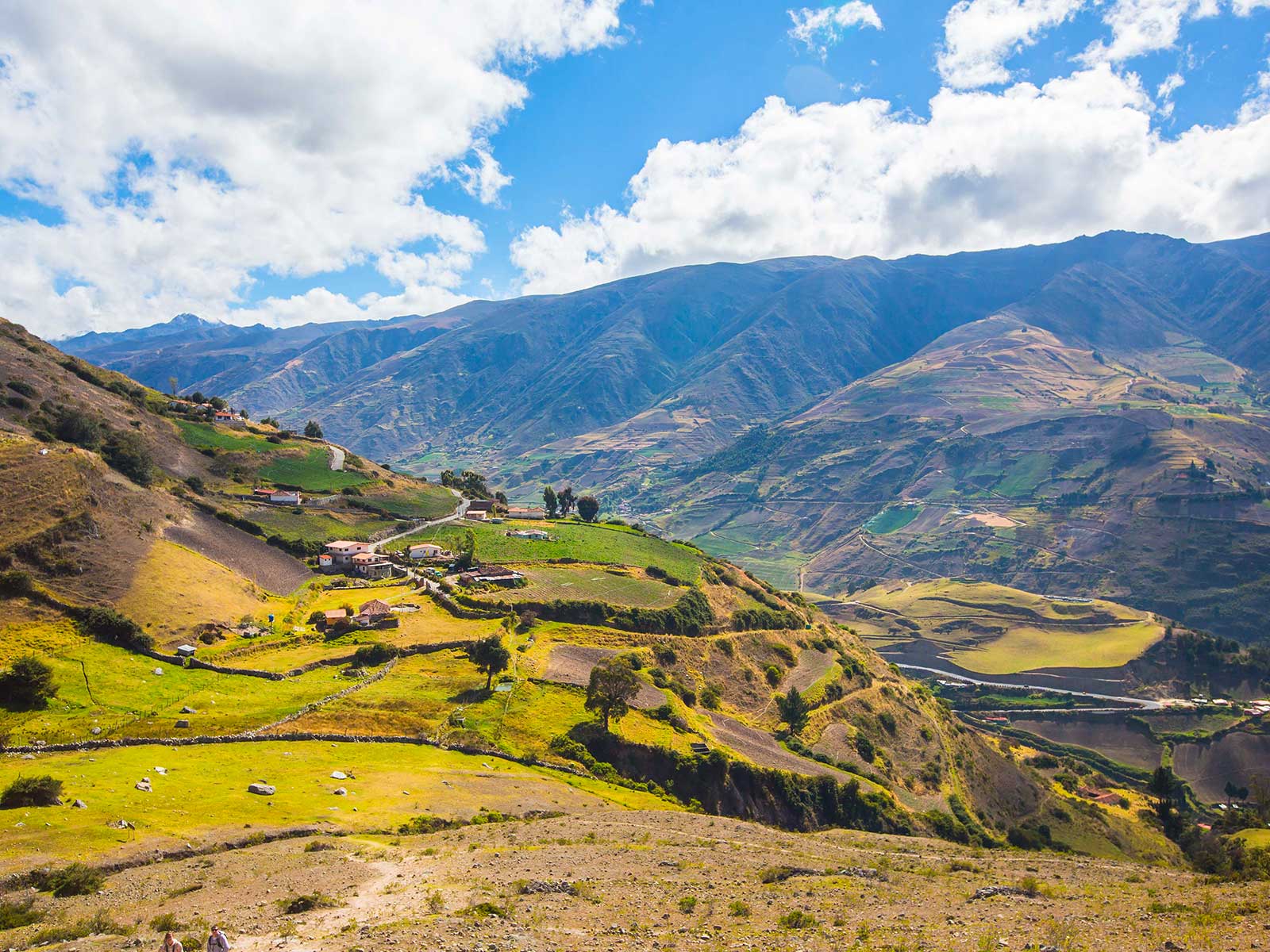
Venezuelans have a deep and fervent sense of national pride. They are proud of their history, their natural beauty, and their cultural heritage. Figures like Simón Bolívar, the liberator, are revered, and his legacy is visibly celebrated, for example, at the National Pantheon in Caracas. They also take immense pride in natural wonders such as the majestic Angel Falls, the unique landscapes of Mount Roraima, and the stunning Andes mountains around Mérida.
Time Perception (La Hora Venezolana)
The concept of "la hora venezolana" (Venezuelan time) refers to a more flexible and relaxed approach to punctuality, particularly in social settings. While this doesn't apply to all situations (e.g., business meetings might require more adherence to schedule), don't be surprised if social events start later than planned. Embrace the fluidity and enjoy the moment.
Navigating Specific Environments
Urban vs. Rural Areas
The pace and customs can vary significantly between urban and rural areas. Cities like Caracas move faster and might have a slightly more formal feel. In contrast, rural communities, such as those near the Orinoco Delta or the small towns nestled in the mountains of Mérida, tend to be more relaxed and traditional. Adapt your approach to the local environment.
Natural Parks and Indigenous Communities
Venezuela boasts incredible biodiversity and numerous national parks. When visiting places like Mochima National Park or Henri Pittier National Park, always follow park rules, respect the wildlife, and leave no trace. If you encounter indigenous communities, particularly in remote areas, be mindful and respectful of their traditions and privacy. Always seek permission before taking photographs.
Language Basics for Travelers
While some people in tourist areas may speak English, having a grasp of basic Spanish phrases will greatly enhance your experience and is a sign of respect. Venezuelans appreciate the effort.
- Hola:Hello
- Gracias:Thank you
- Por favor:Please
- Permiso / Con permiso:Excuse me (to pass by)
- Disculpe:Excuse me / Sorry (to get attention or apologize)
- Buenos días:Good morning
- Buenas tardes:Good afternoon
- Buenas noches:Good evening / Good night
- ¿Habla inglés?:Do you speak English?
- No entiendo:I don't understand
Safety and Awareness
As with any travel destination, staying aware of your surroundings and exercising general caution is always advisable. Keep valuables out of sight, avoid walking alone in unfamiliar areas at night, and trust your instincts. Local advice is invaluable, so don't hesitate to ask your accommodation hosts or tour guides for current safety tips in specific areas.
By approaching your Venezuelan adventure with an open mind and a respectful attitude, you'll be well-prepared to embrace the vibrant culture and forge unforgettable memories. The warmth of its people and the beauty of its landscapes await.