
Unique Experiences in Venezuela: Beyond the Tourist Trail
Venezuela, a land of breathtaking contrasts, offers far more than its famous landmarks. For the intrepid traveler, venturing beyond the well-trodden paths reveals a tapestry of unique cultures, pristine ecosystems, and unforgettable adventures waiting to be discovered.
While destinations like Angel Falls and Los Roques rightly capture global attention, Venezuela's true depth lies in its less-explored regions. This article guides you through some of the country's most unique experiences, offering a glimpse into its diverse heart away from the typical tourist routes.
Into the Wild Heart: The Llanos and Amazon Basin
Exploring the Venezuelan Llanos: Wildlife and Cowboy Culture
Step into the vast, flat plains of the Llanos, Venezuela's answer to the African savanna. This immense grassland, stretching across states like Apure, Barinas, and Portuguesa, transforms dramatically between the wet and dry seasons. It's a paradise for wildlife enthusiasts and those seeking an authentic immersion into Venezuela's cowboy culture, known asllanero.
During the dry season, wildlife congregates around dwindling water sources, making sightings of capybaras, caimans, anacondas, and diverse bird species incredibly common. Accompanied by experienced local guides, often working on traditional cattle ranches (hatos), you can participate in horseback riding, river safaris, and observe the daily life of thellaneros.
Did you know?The capybara, the world's largest rodent, is native to the Llanos and can often be seen grazing peacefully alongside cattle.
Deep into the Amazon: Indigenous Cultures and Biodiversity
Venture south into the Venezuelan Amazon, a region of immense biodiversity and home to numerous indigenous communities. While accessibility is challenging, the rewards are profound. Experiences here revolve around river travel, guided treks through dense rainforest, and respectful interactions with communities like the Ye'kuana or Piaroa people.
This is a journey into an ancient world, where traditional ways of life persist amidst unparalleled natural beauty. You might navigate tributaries of the Orinoco River, observe unique flora and fauna, and learn about indigenous cosmologies and survival techniques. The Orinoco Delta, while distinct, offers a fascinating glimpse into a similar aquatic, indigenous-rich ecosystem, serving as a northern gateway to riverine adventures.
Andean Charms and Colonial Echoes
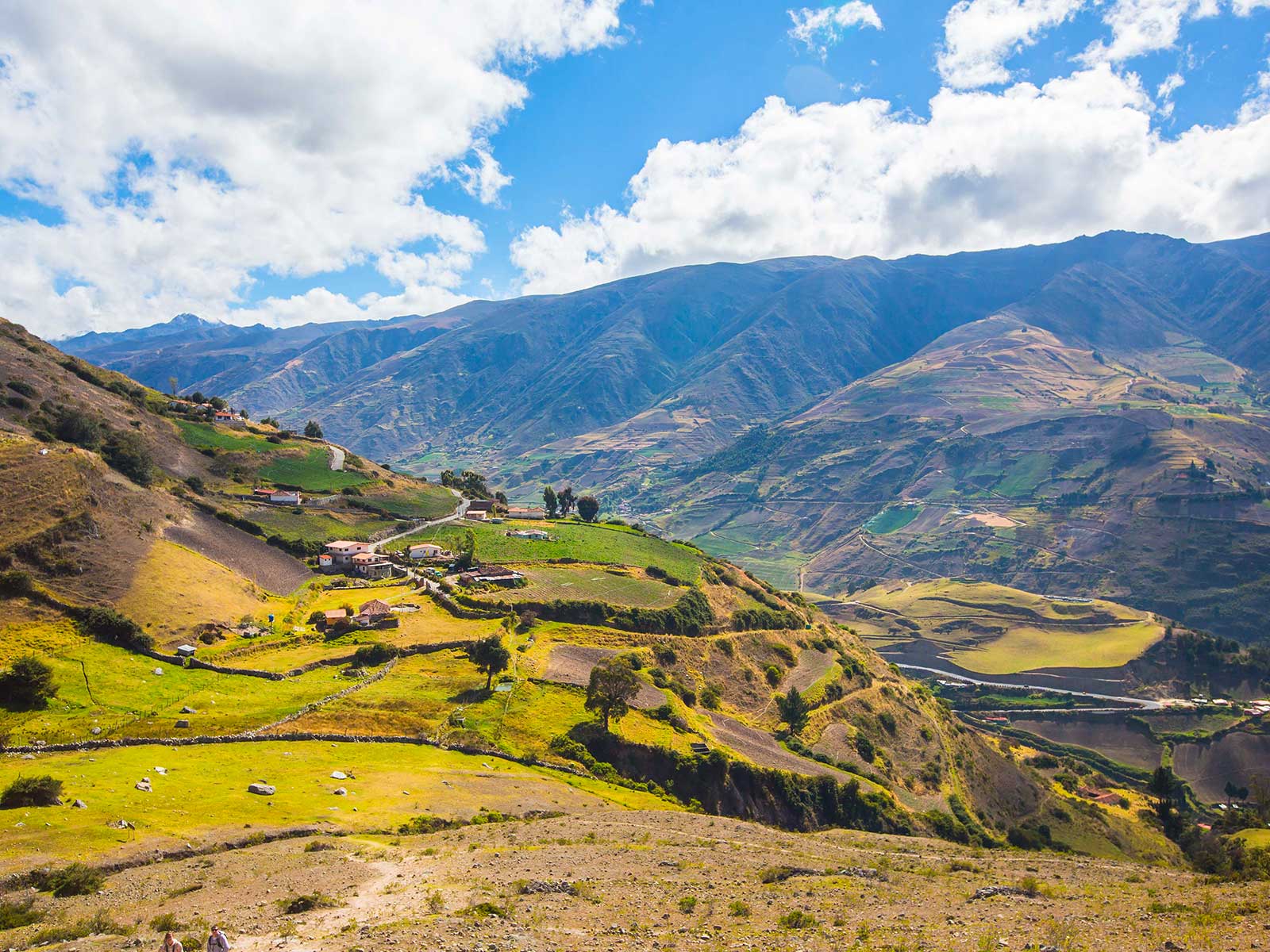
Beyond Mérida: Authentic Andean Villages
While Mérida is a popular hub for Andean adventures, the true magic of the Venezuelan Andes lies in its smaller, less-visited villages. Explore towns like Mucuchíes, Santo Domingo, or Jají, where colonial architecture, artisan crafts, and traditional farming practices thrive. These communities offer a more intimate look at Andean life, away from the bustling city.
Engage with local farmers, taste regional delicacies likepisca andina(Andean soup) or fresh trout, and discover hidden waterfalls or thermal springs. Trekking opportunities abound beyond the challenging ascent to Pico Bolivar, with numerous trails leading through cloud forests, páramos, and picturesque valleys, offering stunning views and diverse ecosystems.
Colonial Heritage in Falcón State: Coro and its Dunes
The city of Coro, a UNESCO World Heritage site, offers a unique blend of history and natural wonder. Its well-preserved colonial center features narrow streets, traditional houses, and impressive churches, showcasing a rich architectural legacy. Just outside the city lies the extraordinary Medanos de Coro National Park, a vast expanse of shifting sand dunes that creates a surreal desert landscape.
Exploring Coro provides a tangible connection to Venezuela's colonial past, while the Medanos offer a unique geological spectacle perfect for photography and sandboarding. It's a striking contrast that makes this region particularly intriguing.
Coastal Secrets and Highland Wonders
Untouched Coasts: Beyond the Popular Beaches
While Isla de Margarita,Morrocoy National Park, and Mochima National Park are renowned for their stunning beaches and cays, Venezuela's coastline harbors many lesser-known gems. Explore the remote beaches of the Paria Peninsula in Sucre state, where the Caribbean meets the Atlantic, offering rugged beauty and a sense of unspoiled wilderness.
Discover fishing villages where life moves at a slower pace, and pristine coves are often deserted. These areas provide opportunities for unparalleled snorkeling, diving, and simply relaxing on secluded sands, experiencing the raw beauty of Venezuela's Caribbean coast without the crowds.
The Guayana Shield: Ancient Landscapes Beyond Roraima
The Gran Sabana region, part of the ancient Guayana Shield, is famous for Mount Roraima. However, the region offers a multitude of other spectacular tepuis (table-top mountains), waterfalls, and indigenous Pemon communities. Explore less-frequented areas where you can discover hidden caves, swim in natural pools beneath cascading falls, and learn about the unique ecology of this prehistoric landscape.
Experiences here focus on guided treks to smaller tepuis, exploring savannahs dotted with rare plants, and cultural exchanges with the Pemon people, who are the traditional guardians of this sacred land.
Niche Interests: Birdwatching and Cloud Forests
Birdwatching in Diverse Ecosystems
Venezuela boasts an incredible diversity of bird species, making it a prime destination for birdwatchers. Beyond the well-known sites, exploring areas like the cloud forests of Henri Pittier National Park in Aragua offers opportunities to spot endemic species and a vibrant array of hummingbirds, tanagers, and toucans.
Other unique birding locations include the coastal mangroves, the vast Llanos, and the Andean páramos, each offering a distinct set of avian inhabitants. Hiring a local birding guide can significantly enhance your chances of spotting rare and elusive species.
Practical Tips for Off-the-Beaten-Path Travel
Venturing beyond the main tourist trails requires careful planning and a spirit of adventure. Here are some essential tips:
- Local Guides are Key:For remote areas, especially indigenous territories or wildlife-rich regions, hiring experienced local guides is not just recommended but often essential for safety, navigation, and cultural understanding.
- Transportation:Be prepared for diverse modes of transport, from 4x4 vehicles to small planes and river canoes. Flexibility is crucial.
- Cultural Sensitivity:When visiting indigenous communities, always seek permission before taking photos and respect local customs and traditions.
- Health and Safety:Consult with a travel health professional regarding vaccinations and necessary precautions. Always prioritize your safety and stay informed about local conditions.
- Pack Appropriately:Depending on the region, expect varying climates. Bring light, breathable clothing for tropical areas, layers for the mountains, sturdy hiking boots, insect repellent, and sun protection.
Conclusion
Venezuela is a country of immense beauty and astonishing diversity, offering a wealth of unique experiences for those willing to look beyond the obvious. From the wild heart of the Llanos to the ancient landscapes of the Guayana Shield and the serene beauty of its hidden coasts, an authentic adventure awaits. By embracing these unique journeys, you'll uncover the true spirit of Venezuela and create memories that last a lifetime.